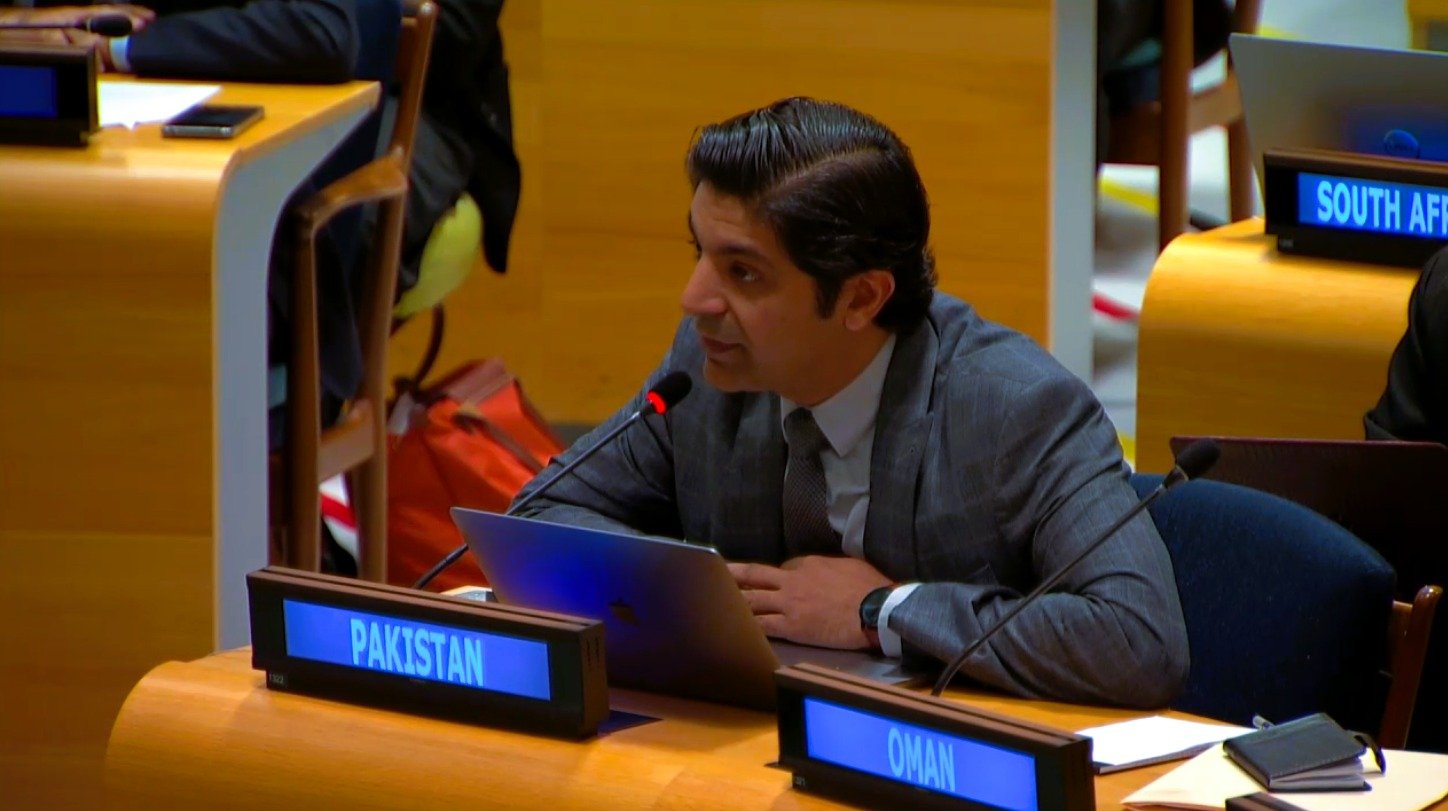
Pakistan has accused India at the United Nations of providing what it described as “active support” to the Taliban authorities in Afghanistan and backing militant groups including the Tehreek-e-Taliban Pakistan (TTP) and Balochistan Liberation Army (BLA).
The allegations were made by Counsellor Muhammad Jawad Ajmal, Pakistan’s representative at the UN, during a right of reply on Thursday.
Ajmal accused India of using humanitarian assistance to support the Taliban authorities and alleged that such backing was being used to facilitate attacks against Pakistan.
He also accused India of human rights violations, promoting Islamophobia and extremist ideologies, and attempting to alter the demographic character of Jammu and Kashmir. India has previously rejected similar allegations from Pakistan.
Pakistan raises TTP and BLA allegations
Ajmal said Pakistan had repeatedly warned the international community about what it described as Indian efforts to destabilise the region.
He referred to the case of former Indian naval officer Kulbhushan Jadhav, who was arrested by Pakistan and convicted on charges including espionage and terrorism. India has rejected Pakistan’s allegations concerning Jadhav.
Ajmal also cited allegations involving Indian nationals and alleged extraterritorial operations abroad, including the case of Nikhil Gupta in the United States and the killing of Canadian Sikh activist Hardeep Singh Nijjar in Canada.
He said Pakistan would defend its sovereignty and territorial integrity while maintaining what he described as its commitment to peaceful dispute resolution, international law and the UN Charter.
Pakistan highlights terrorism threat from Afghanistan
Pakistan’s Deputy Permanent Representative to the UN, Ambassador Usman Jadoon, also addressed a General Assembly debate on measures to eliminate international terrorism.
Jadoon said terrorism remained a growing international threat and described militant activity emanating from Afghanistan as a particularly serious concern for Pakistan.
He accused the TTP, BLA and the BLA’s Majeed Brigade of operating from Afghan territory with external support and linked them to attacks inside Pakistan.
Pakistan has repeatedly raised concerns at the UN about militant groups operating from Afghanistan. UN documents have also recorded Pakistan’s allegations regarding TTP activity from Afghan territory, while the Taliban authorities have rejected accusations that they provide safe havens to the group.
Jadoon said Pakistan had suffered more than 100,000 deaths and economic losses exceeding $150 billion during its involvement in the global fight against terrorism.
He said recent counterterrorism operations had targeted what Pakistan described as terrorist infrastructure and safe havens along its western border.
Pakistan calls for changes to counterterrorism system
Jadoon proposed several areas for stronger international action, including addressing militant threats emanating from Afghanistan and holding accountable those who provide safe havens or support to terrorist organisations.
He also called for greater attention to the conditions that contribute to terrorism and urged the international community to address the use of new technologies for terrorist recruitment, organisation and financing.
Pakistan also called for reforms to the UN counterterrorism architecture, sanctions regimes and listing procedures, arguing that they should provide what it described as a fair and comprehensive mechanism.
Jadoon said counterterrorism measures should not be used to violate human rights or international law. He also called for a distinction between terrorism and what Pakistan described as legitimate struggles for self-determination.
Right of Reply by Muhammad Jawad Ajmal,
Counsellor at Permanent Mission of Pakistan to the UN
In Response to Remarks of Indian Representative
(October 7, 2026)
********Thank you Madam Chair,
We have once again heard the propaganda made by the Indian delegation in a further statement just now. It is unfortunate that a country that is a serial violator of human rights, that has mainstreamed Islamophobia and extremist ideologies and that is engineering demographic changes in the unlawfully occupied territories of Jammu and Kashmir – in gross violation of international law and UN Security Council resolutions – is making such false accusations and foul remarks.
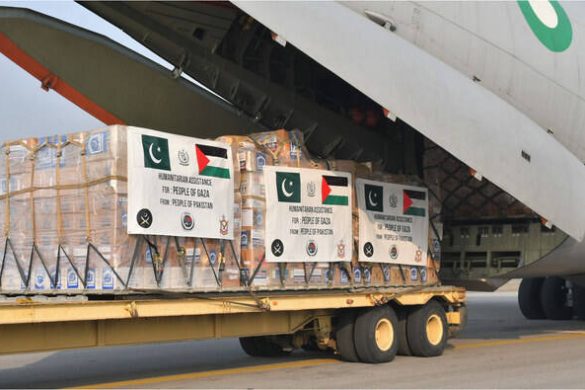
Pakistan is fully aware of the cost of Indian sponsored terrorism on our territory, aiding and abetting terrorist groups such as the Fitna al Khawarij TTP and the Fitna al Hindustan BLA through active support of proxies inside Afghanistan. Their new found love for the Taliban regime is no accident. Under the garb of humanitarian aid, they have been actively supporting the Taliban regime with material and logistical support for carrying out terrorist attacks against Pakistan.
We have been warning the world about Indian attempts to sow discord and create mischief in our region. The capture of serving Indian naval commander Kulbhushan Jadhav on Pakistani territory and his confession for acts of sabotage, espionage and multiple terrorist incidents in Pakistan that has resulted in the deaths of scores of civilians, including women and children is a glaring example of Indian state terrorism.
The Indian footprint of extraterritorial assassinations and killings abroad, which have now become a global feature of their illegal actions, include attempts made by Nikhil Gupta who pleaded guilty for plotting to murder a Sikh leader on U.S. territory and the killing of Hardeep Singh Nijjar in Canada, all at the behest of the Indian government are public knowledge and need no elaboration.
Let this be known to all, Pakistan will defend its sovereignty, territorial integrity, its people and its security. And Pakistan will do all that is needed towards this end, while maintaining its steadfast commitment to peaceful settlement of disputes and compliance with international law and the UN Charter.
As regards the so-called Operation Sindoor and Pakistan’s befitting response in retaliation to defend ourselves in May 2025 last year, against this aggression, the entire world bears witness to the ground realities and what we did, the details of which I need not repeat.
I thank you.
— Permanent Mission of Pakistan to the UN (@PakistanUN_NY) October 7, 2026
Pakistan criticises India’s position
Jadoon also criticised what he described as an imbalance in existing international counterterrorism policies, arguing that Muslims had been disproportionately associated with terrorism and extremism.
He called for violent far-right, nationalist, xenophobic and Islamophobic groups to be addressed as part of a broader approach to counterterrorism.
Referring again to India, Jadoon accused New Delhi of supporting militant proxies against Pakistan and alleged that India had intensified such activities following the military confrontation between the two countries in May 2025.
He also accused India of targeting civilian areas during that conflict, while saying Pakistan’s military response was directed at military installations. These claims are disputed by India.
Pakistan further criticised the latest review of the UN Global Counter-Terrorism Strategy and proposed establishing a General Assembly subsidiary body to oversee balanced implementation of all four pillars of the strategy.
The proposed body, according to Jadoon, would be funded through the UN’s regular budget and seek to translate the strategy’s objectives into concrete measures against terrorism.