Introduction
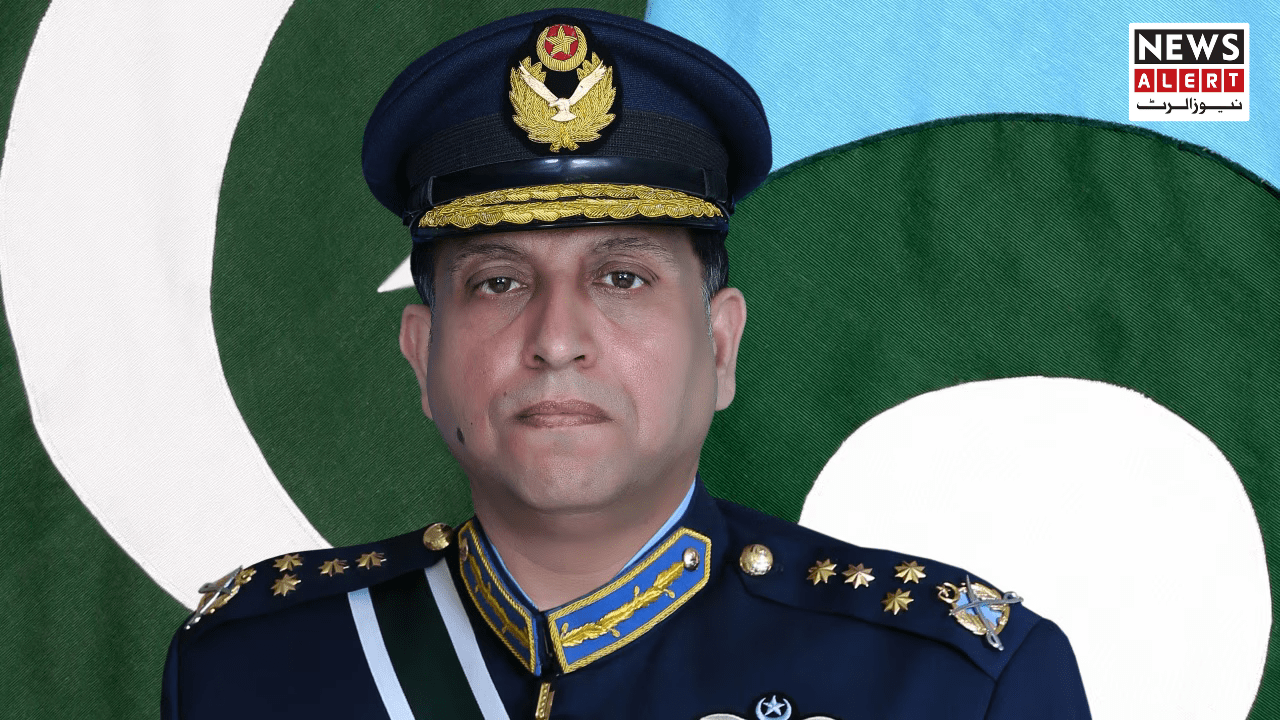
Pakistan’s Air Chief Marshal Zaheer Ahmad Babar Sidhu has described the Pakistan Air Force’s recent military actions as an unprecedented display of air power. Speaking at the passing-out parade at the PAF Academy in Risalpur, he said the events of early May demonstrated exceptional operational capability and strategic discipline.
The comments came in the backdrop of heightened tensions following what Pakistan described as a challenge to its sovereignty.
A Swift and Decisive Response
While addressing cadets and officers, Air Chief Marshal Sidhu said the clashes on the night of 6 and 7 May marked a turning point. According to him, when Pakistan’s sovereignty was tested, the PAF delivered an immediate and forceful response.
He claimed that Pakistan’s fighter jets intercepted and shot down several advanced enemy aircraft. These reportedly included units of the Rafale, one of the most modern combat jets in the region. Although no independent verification has been released to the media, his remarks reflect Pakistan’s official position.
Targeting Defence and Cyber Systems
Sidhu noted that the operations continued beyond those two nights. On 10 May, he said, the air force successfully targeted enemy defence systems. He also highlighted the role of Operation Banyan Marsous, which he described as a demonstration of Pakistan’s superiority in cyber warfare.
According to the air chief, this combination of air, cyber, and intelligence operations showcased the PAF’s ability to counter technologically advanced threats.
Monitoring Movements Within Moments
The air chief emphasised that the PAF maintains constant vigilance. He said the force can track any hostile movement within moments and respond through speed, accuracy, and careful planning.
He further stated that even the capabilities of the Rafale fighter jets proved to be zero against Pakistan’s defence measures. His comments underscored the PAF’s confidence in its operational readiness despite the sophisticated equipment in neighbouring fleets.
We Chose Restraint
Despite the forceful tone, Sidhu stressed that the PAF acted with restraint. He said Pakistan could have inflicted greater damage, but chose not to escalate the situation unnecessarily.
Every step is taken with deliberation, he said. Our goal is to maintain peace. We respond professionally and responsibly.
His remarks aligned with Pakistan’s broader messaging that the country prefers stability and diplomatic solutions, though it remains prepared for defence.
International Attention on Pakistan’s Strategy
The air chief also said the international defence community has taken notice of Pakistan’s tactics in what he called the Ma‘rakah-e-Haq (Battle of Truth). He claimed that experts and analysts from several countries are studying Pakistan’s air strategy and operational decisions.
Although he did not name the countries involved, Pakistan’s military cooperation historically includes ties with China, Turkey, and various Middle Eastern states.
Praising the Army Chief’s Role
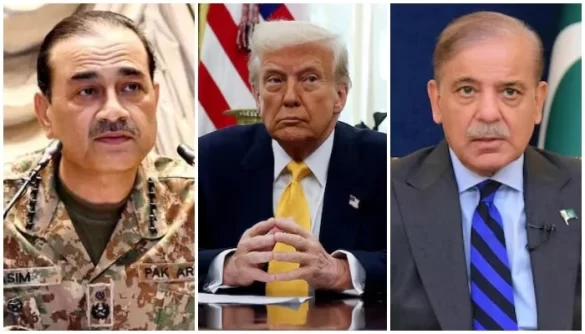
Sidhu acknowledged the leadership of Pakistan’s Chief of Army Staff, General Syed Asim Munir, during the operations. He said the general played a decisive guiding role throughout the crisis.
He added that the trust of the Pakistani public in its armed forces remains the military’s real strength.
Pakistan’s Message: Peace, but Strength
Towards the end of his address, Sidhu reiterated that Pakistan is a peace‑loving country. However, he warned that this desire for calm must not be misinterpreted.
If anyone mistakes our wish for peace as weakness, he said, they will receive a firm response.
His speech served both as reassurance to Pakistan’s own population and as a message to regional rivals at a time of continuing uncertainty.