Pakistan’s government expects to receive a total of Rs55 billion from the privatisation of the country’s national airline, according to the Prime Minister’s Adviser on Privatisation, Muhammad Ali. The move marks a major milestone in a long and controversial reform process aimed at reducing state losses and improving efficiency in key public sector entities.
Also Read: PIA Privatisation Was Essential to Keep Airline Flying, Adviser Says
Speaking at a press conference alongside Federal Information Minister Attaullah Tarar, Muhammad Ali said that Rs10 billion would come as direct cash, while the remaining Rs45 billion would be retained as government equity. He described the deal as financially beneficial and strategically important for the country’s struggling aviation sector.
A Once-Strong Airline in Decline
Muhammad Ali recalled that Pakistan’s national airline was once a respected name both domestically and internationally. However, he said, years of mismanagement and policy mistakes severely weakened its performance.
Over time, a series of wrong decisions affected the airline’s operational strength and financial health, he said.
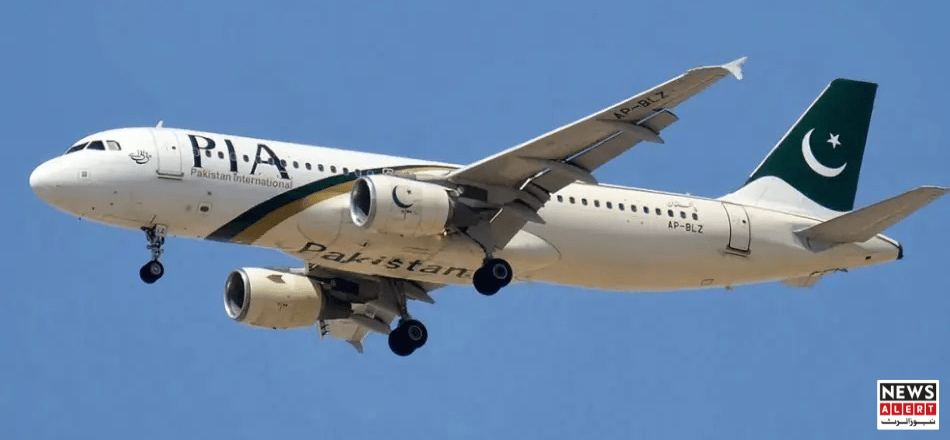
At present, the airline operates a fleet of 33 aircraft. Of these, 20 are owned and 13 are leased. However, only 18 aircraft are operational, and 12 of them are leased, highlighting ongoing capacity constraints.
Despite these limitations, the airline continues to play a significant role in Pakistan’s aviation market. According to official figures, it serves around four million passengers annually.
Market Share and Operational Footprint
The adviser noted that the airline’s landing routes remain its most valuable asset. These routes, especially international slots, are difficult to obtain and remain attractive to potential investors.
The airline currently holds about 30 percent of the domestic aviation market, which underscores its continued relevance despite competition from private carriers.
Internationally, most of its flights operate to the Middle East, reflecting strong demand from Pakistani expatriates and labour markets in the region.
Operationally, the airline employs approximately 6,700 staff members and conducts around 240 round trips every week. These figures, officials argue, show that the airline still has a functional backbone that can be strengthened under new ownership.
Financial Burden on the State
One of the strongest arguments for privatisation has been the airline’s heavy financial losses. Muhammad Ali provided stark figures to illustrate the scale of the problem.
In 2015, the airline’s negative equity stood at Rs213 billion. By 2024, cumulative losses had surged to Rs700 billion.
These losses have placed a continuous burden on the national exchequer, he said. After privatisation, the government will no longer need to cover these deficits.
The adviser stressed that privatisation would not only bring immediate financial relief but also free public funds for health, education, and infrastructure.
Privatisation Timeline and Next Steps
Muhammad Ali explained that Pakistan’s privatisation process formally began in 2005, although progress has been uneven. He described the airline’s sale as part of a broader effort to restore efficiency and credibility to state-owned enterprises.
According to the current plan, new owners are expected to take over operations from April. The transition period will focus on operational continuity and regulatory compliance.
He expressed optimism that private management would help revive the airline’s lost glory through better governance and commercial discipline.
Government Hails Transparency of the Process
Federal Information Minister Attaullah Tarar welcomed the completion of the privatisation process. He thanked God for what he described as a long-awaited breakthrough.
The national airline has finally been privatised, he said. This process was completed in a transparent manner.
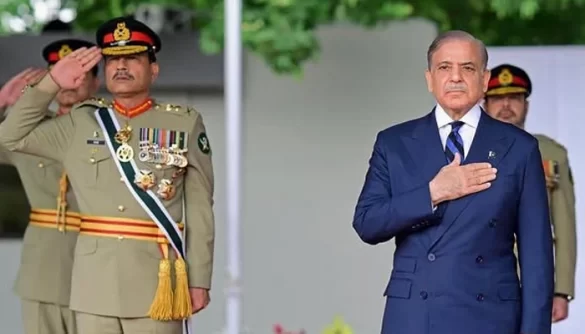
Tarar credited Prime Minister Shehbaz Sharif and Chief of Army Staff Field Marshal Syed Asim Munir for playing key roles in ensuring the deal moved forward.
He added that transparency and institutional support were central to building investor confidence.
Wider Economic Context
Pakistan has long faced pressure from international lenders to reform loss-making state enterprises. Airlines worldwide have often been privatised to improve efficiency, reduce political interference, and attract investment.
If successful, analysts say, the airline’s privatisation could signal broader reform momentum in Pakistan’s economy. However, they caution that long-term success will depend on regulatory oversight, service quality, and labour management.
For now, the government views the deal as a turning point. After decades of losses, officials hope the airline’s future will finally be shaped by commercial realities rather than public subsidies.