Government Moves to Strengthen Water Security
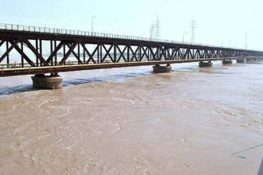
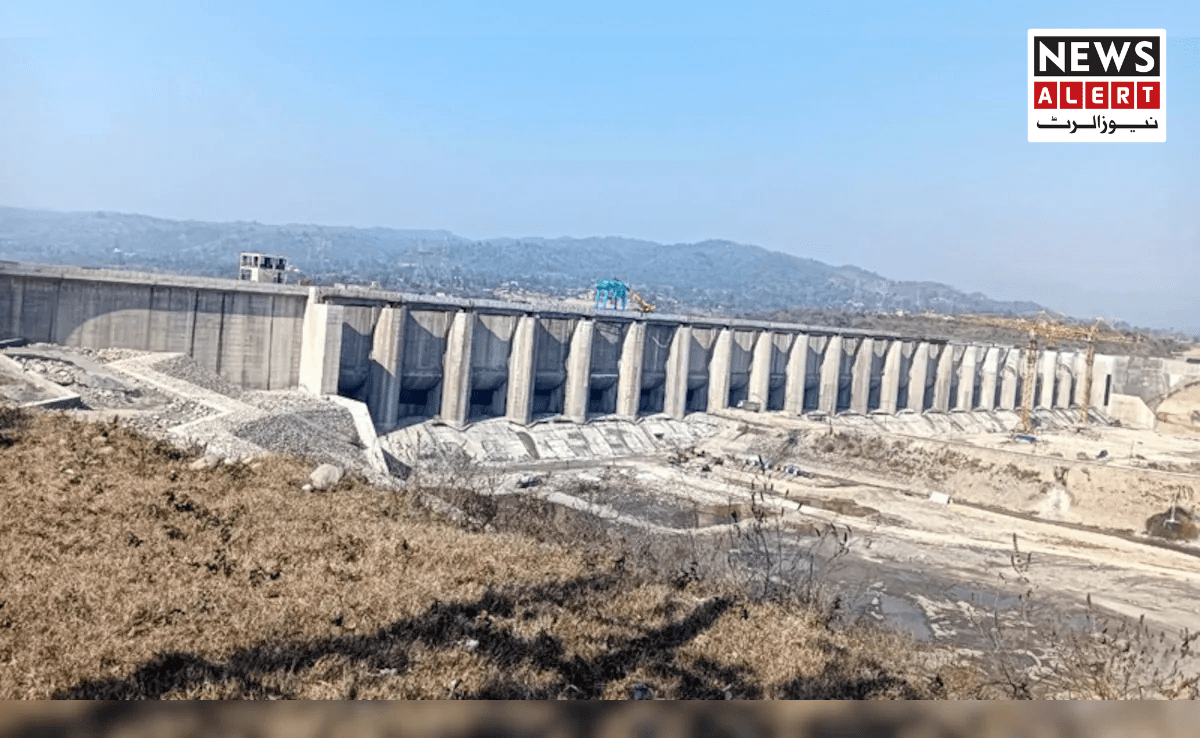
Pakistan has decided to construct a new dam on the River Chenab near Chiniot in Punjab. Officials say the project aims to counter India’s water aggression and increase the country’s water storage capacity.
During a meeting of the Senate Standing Committee on Water Resources, chaired by Senator Shahadat Awan, officials announced that the feasibility study for the dam is complete. Moreover, work on the PC-1, a detailed planning document required for government approval, is ongoing.
Experts note that Pakistan’s water storage remains insufficient. Consequently, the country struggles to meet rising agricultural and domestic demand. Per capita water availability has dropped from around 5,000 cubic meters in 1947 to less than 900 cubic meters today. Therefore, new storage projects have become essential.
Rising Concerns Over India’s Upstream Water Projects
Tensions over shared rivers have long strained Pakistan-India relations. The two countries operate under the 1960 Indus Waters Treaty (IWT), brokered by the World Bank. However, disputes over hydropower projects in Indian-administered Kashmir continue to create friction.
Pakistani officials claim India’s dams on the Chenab and Jhelum may reduce water flow during peak agricultural seasons. In contrast, India maintains that its projects comply with treaty regulations. As a result, Islamabad views the new dam as both a defensive measure and a key part of its water management strategy.
Flood Protection Plan Awaiting Approval
The committee also discussed the National Flood Protection Plan, valued at 824 billion Pakistani rupees. Officials informed the panel that it still awaits approval from the Council of Common Interests (CCI), the body that resolves federal-provincial disputes.
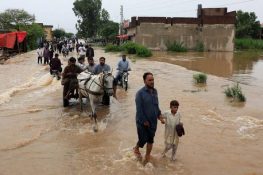
Pakistan faces increasing flood risks. For instance, in 2022, floods affected over 33 million people and caused approximately $30 billion in damages. Moreover, experts warn that climate change will likely trigger more extreme weather. Consequently, implementing flood-prevention measures has become urgent.
Senate Panel Orders Immediate Removal of Encroachments
The committee instructed all provinces to remove encroachments from riverbanks and waterways immediately. Such obstructions, including informal settlements and commercial structures, block water flow and increase flood risks.
Senator Awan expressed frustration over Punjab and Sindh’s slow response. He warned that authorities who fail to clear river routes before the monsoon season will face accountability for criminal negligence.
Encroachments have long hindered flood management. Meanwhile, local authorities often struggle with political and bureaucratic obstacles when attempting to demolish illegal structures.
Telemetry System to Monitor Water Flows
The Water and Power Development Authority (WAPDA) updated the committee on a nationwide telemetry system. This system monitors water flows in real time and issues early flood warnings.
Previously, technical failures and mismanagement limited the system’s effectiveness. However, officials now claim the upgraded system will provide accurate alerts. Additionally, it will improve coordination between federal and provincial agencies.
Real-time monitoring is crucial. Rising glacier melt in northern Pakistan and shifting rainfall patterns increase flash flood risks. For instance, recent flood alerts issued for the Chenab and Jhelum highlight the urgent need for such systems (read more). Therefore, the telemetry system aims to minimize human and economic losses during extreme weather events.
Looking Ahead
The Chenab dam project demonstrates Pakistan’s commitment to strengthening water security. However, the project requires significant funding, inter-provincial cooperation, and sustained political will.
As Pakistan and India continue to dispute water rights, Islamabad views new dams as vital for national security and economic stability. Furthermore, experts emphasize that timely river management and flood-prevention measures will remain essential in the coming years.