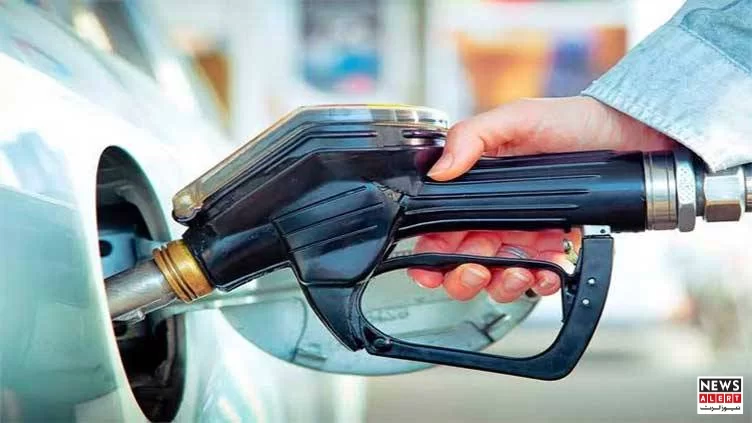
Pakistan may soon witness another reduction in fuel prices, offering fresh relief to consumers and businesses. Government sources indicate that authorities are considering lowering the prices of major petroleum products from 16 January, following the latest review of international oil trends.
If approved, the move would mark the second fuel price cut this year. The decision could help reduce inflationary pressure at a time when household expenses remain high across the country.
Also Read: New Year Relief for the Public: Government Cuts Fuel Prices Significantly
Petrol and Diesel Prices Expected to Decline
According to officials familiar with the proposal, petrol prices may fall by Rs 4.59 per liter. At the same time, authorities may reduce the price of high-speed diesel by up to Rs 2.70 per liter.
Petrol fuels most private vehicles and motorcycles in Pakistan. Diesel, however, supports transport, agriculture, and industrial activity. Therefore, any reduction in these prices directly affects supply chains and commuting costs.
If the government approves the proposal, the revised prices will take effect from 16 January, in line with Pakistan’s fortnightly fuel pricing schedule.
Kerosene and Light Diesel Also Likely to Become Cheaper
The government may also cut prices of other petroleum products. Sources say kerosene oil could drop by Rs 1.82 per liter, while light diesel oil may become cheaper by Rs 2.08 per liter.
Many low-income and rural households rely on kerosene for cooking and heating. Light diesel supports small engines and backup generators. As a result, lower prices could ease financial pressure on vulnerable communities.
Moreover, cheaper fuel often leads to lower transport fares and helps stabilise the prices of essential goods.
OGRA and Finance Ministry to Finalise Decision
The Oil and Gas Regulatory Authority (OGRA) will complete its pricing calculations and send its recommendations to the Petroleum Division on 15 January.
After reviewing the figures, the Ministry of Finance will consult the prime minister before announcing the final decision. Once the government approves the rates, fuel stations across the country will apply the new prices.
Until then, current fuel prices will remain in place.
Earlier Price Cuts Set the Background
At the beginning of the year, the government announced a major reduction in fuel prices. Authorities cut petrol prices by Rs 10.28 per liter and reduced diesel prices by Rs 8.57 per liter.
That decision provided immediate relief to motorists and transport operators. In response, some transport fares declined, while distribution costs eased slightly.
Although inflation remained high, the move helped soften the impact of rising living costs.
Economic Impact and Public Expectations
Economists believe another fuel price cut could support economic stability. Lower transport costs often reduce pressure on food prices and other daily essentials.
In addition, reduced diesel prices can support farmers and freight operators. This support may improve market supply and limit price volatility.
However, analysts warn that fuel prices still depend on global oil markets and currency movements. Continued relief will require stable international prices and a steady exchange rate.
For now, the public hopes the proposed cuts will strengthen purchasing power and ease financial strain. If approved, the price reduction could offer a timely boost to consumer confidence at the start of the year.