Dry Winter Challenges Citizens
Pakistanis have been enduring unusually dry and cold conditions across the country, coupled with dense smog that has disrupted daily life in many cities. Air pollution levels have surged, reducing visibility and posing health risks, especially for children, the elderly, and those with respiratory conditions.
The dry spell has intensified concerns over water scarcity. Several regions have reported a significant drop in river and groundwater levels. November 2025 was particularly harsh, with rainfall across the country recorded at nearly 72% below average. This shortfall worsened drought conditions in many rural areas and left reservoirs at critically low levels.
Meteorologists Predict Incoming Western Weather System
According to leading meteorologist Jawad Memon, recent weather models indicate the possibility of a western weather system reaching Pakistan in mid to late December. He explained that this system could bring much-needed rainfall and snowfall to various parts of the country.
Reliable models over the past few days suggest a sequence of western disturbances may enter Pakistan after mid-December, Memon said. Specifically, between December 18 and 20, a nationwide western system could impact multiple regions. However, this is a long-range forecast, and predictions may change daily.
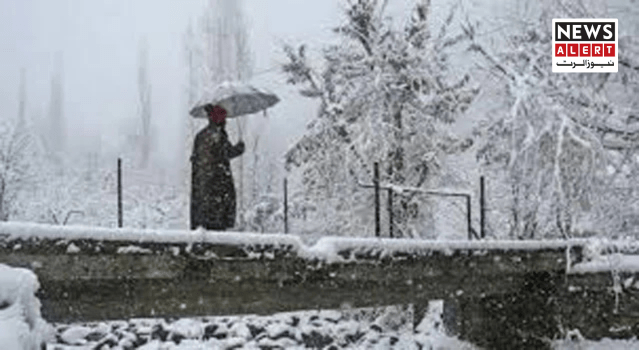
Western disturbances are weather patterns that typically bring rain to Pakistan’s plains and snow to its northern mountainous areas. In fact, Khyber Pakhtunkhwa has already been put on alert for heavy rain and snowfall, as detailed here. They are vital for replenishing water supplies and sustaining agriculture, especially after prolonged dry spells.
La Niña Effects and Rainfall Outlook
Memon noted that rainfall had been below normal since the start of winter, largely due to the La Niña pattern in the Pacific Ocean. La Niña often leads to drier-than-usual winters in South Asia.
By mid-December, this La Niña effect is expected to weaken, potentially allowing rainfall during the third or fourth week of December, Memon added. We must emphasize, though, that this is a possible scenario, not a certainty. Ultimately, weather is subject to natural variability.
Public Advisory and Precautionary Measures
Authorities and experts have urged citizens to remain cautious amid the ongoing dry and smoggy conditions. Health officials recommend limiting outdoor activity during peak smog hours, using masks in highly polluted areas, and ensuring proper hydration to cope with the dry air.
Experts also encourage people in drought-affected areas to view incoming rain as a blessing, taking opportunities for water conservation and supporting local communities. Religious and charitable initiatives have historically been observed in such periods, as many communities view rainfall as a chance to offer prayers and assistance to those in need.
Continuous Monitoring by Meteorological Department
The Pakistan Meteorological Department continues to monitor nationwide weather conditions closely. Officials have committed to providing timely updates to the public on any developments, particularly as western disturbances approach.
While the exact timing and intensity of the rains remain uncertain, meteorologists are cautiously optimistic. Any rainfall would provide much-needed relief to cities struggling with smog and dry conditions and rural areas facing water shortages.
In summary, while Pakistanis are experiencing a harsh, dry winter, hope is on the horizon. Late December may bring relief in the form of rainfall and snowfall, potentially easing drought conditions and improving air quality across the country.