Sharp Rise in Wheat Prices
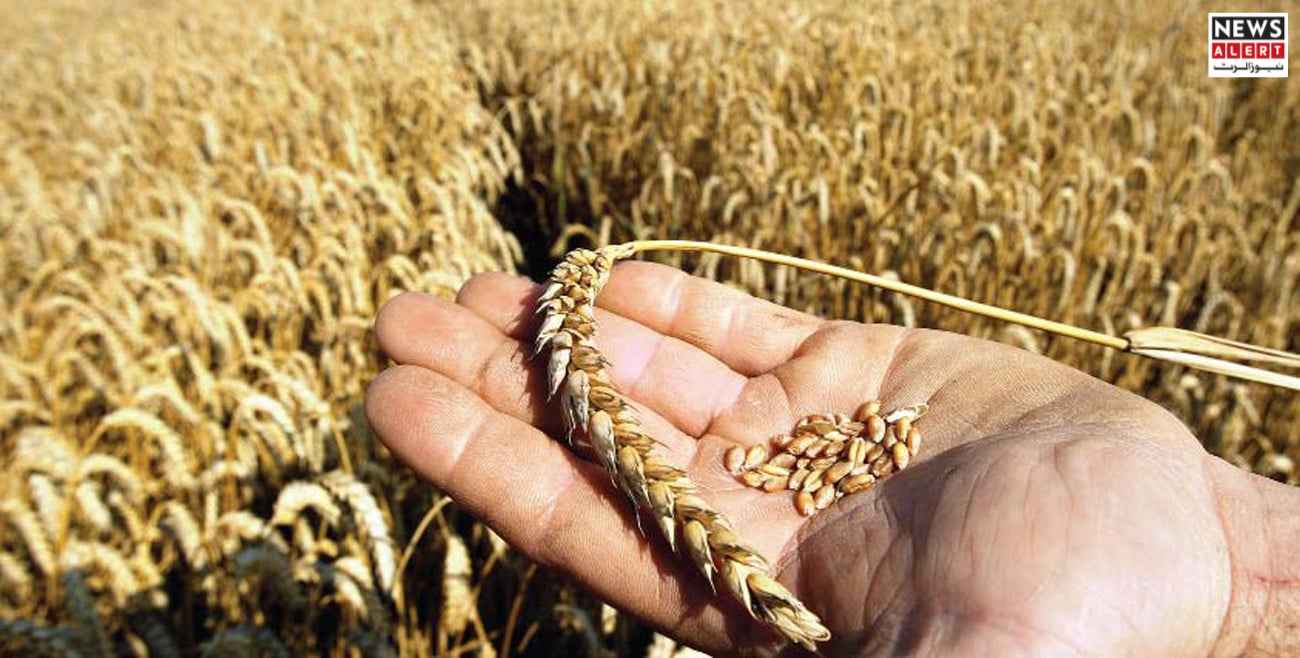
Lahore – Wheat prices in Punjab province have risen sharply over the past week, increasing by up to 700 Pakistani rupees per maund (40 kilograms). Over the course of ten days, the price per maund jumped from 3,700 rupees to 4,400 rupees in Lahore. Meanwhile, Rawalpindi reported prices as high as 4,800 rupees.
In Lahore, wheat now sells at 4,450 rupees per maund. As a result, government-subsidized 10 and 20-kilogram flour bags have become scarce in several neighborhoods. Consequently, a 15-kilogram bag of flour now costs 1,750 rupees, up from 1,500 rupees, putting extra strain on household budgets.
Also Read: Flour Prices Surge Across Pakistan, Hitting Hyderabad and Peshawar Hardest
Prices Across Major Cities
The price increase is widespread. Gujranwala and Gujrat report wheat at 4,500 rupees per maund, while Multan shows 4,450 rupees. Additionally, Bahawalpur and Dera Ghazi Khan report 4,400 rupees. Islamabad also recorded wheat at 4,400 rupees per maund.
These figures indicate that Punjab’s wheat supply chain is under pressure, affecting both cities and rural areas. Consequently, flour, a key staple, reflects the price increase almost immediately.
Flour Mills Warn of Higher Costs
Asim Raza, central chairman of the Flour Mills Association, blamed the price rise on wheat scarcity. The shortage directly drives up wheat prices and raises flour costs for consumers, he said. Moreover, he warned that flour prices could climb further if the shortage continues.
Pakistan depends heavily on domestic wheat production to feed over 220 million people. Therefore, any supply disruption-caused by poor harvests, transport issues, or market speculation-quickly affects consumer prices.
Economic and Social Impacts
Experts warn that rising wheat prices could worsen overall inflation, which already challenges Pakistan’s economy. In particular, low- and middle-income families face the greatest strain, as food consumes a large portion of their household budgets.
The Pakistan Bureau of Statistics shows the Consumer Price Index for food has been rising steadily. Thus, analysts say further wheat price hikes could accelerate inflation. Without government intervention, flour prices could rise further, affecting millions, said one market observer.
Calls for Government Action
Observers urge the government to act quickly to stabilize wheat prices. Possible measures include releasing strategic wheat reserves, regulating wholesale prices, or importing wheat to meet demand. Otherwise, price volatility could affect bakery products, processed foods, and other wheat-based items.
Households already feel the pressure. Residents of Lahore and other cities are adjusting budgets to cope with higher flour costs. Meanwhile, small bakeries and food vendors warn they may pass these increases on to customers.