Pakistan on Wednesday marked the 149th birth anniversary of Quaid-e-Azam Muhammad Ali Jinnah with reverence, national pride, and collective reflection. Across the country, authorities observed a public holiday. As a result, government institutions, private organisations, and civil society groups held commemorative events to honour the founder of the nation.
At the same time, citizens reflected on Jinnah’s historic struggle, constitutional leadership, and vision for a democratic and inclusive Pakistan.
Guard-Changing Ceremony Highlights National Observance
As part of the official commemorations, authorities held a dignified guard-changing ceremony at Mazar-e-Quaid in Karachi. Therefore, the mausoleum once again became the centre of national attention.
Major General Iftikhar Hussain Chaudhry, a recipient of the Hilal-e-Imtiaz, attended the ceremony as the chief guest. During the event, a smartly turned-out contingent of the Pakistan Army presented a formal salute. Subsequently, army cadets assumed guard duties from the outgoing unit with military precision.
Meanwhile, senior military officers, civil officials, and a large number of citizens attended the ceremony. Participants laid floral wreaths and offered prayers. Consequently, the gathering reflected solemn respect and national unity.
Commemorative Events Across the Country
Elsewhere, cities and towns across Pakistan hosted seminars, conferences, and prayer gatherings throughout the day. Speakers at these events highlighted Jinnah’s political insight, constitutional struggle, and unwavering leadership during British colonial rule.
Moreover, educational institutions played a prominent role in the observance. Schools, colleges, and universities organised special programmes to introduce students to Jinnah’s ideas. Through speeches and discussions, teachers stressed his guiding principles of faith, unity, and discipline.
Education officials note that such activities take place annually. Therefore, these programmes aim to strengthen civic awareness and historical understanding among young Pakistanis.
A Leader Who Changed the Course of History
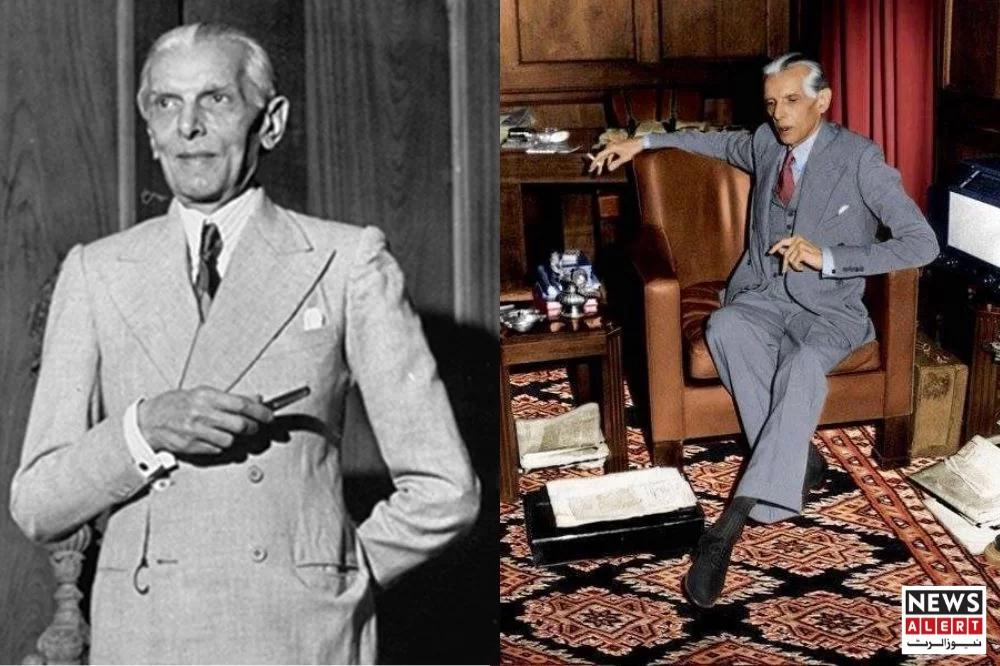
Quaid-e-Azam Muhammad Ali Jinnah was born on 25 December 1876 in Karachi. Over the years, he emerged as one of South Asia’s most accomplished lawyers and influential political leaders.
Initially, Jinnah supported Indian nationalism. However, he later became the foremost advocate for Muslim political rights. As leader of the All-India Muslim League, he articulated the demand for a separate homeland for Muslims.
Despite facing towering figures such as Jawaharlal Nehru, Vallabhbhai Patel, and Mahatma Gandhi, Jinnah remained resolute. Ultimately, his determined and principled struggle led to the creation of Pakistan in August 1947.
Importantly, historians emphasise that political negotiation, not armed conflict, secured Pakistan’s independence. Consequently, Jinnah’s success stands as a rare example of constitutional politics reshaping history.
Vision of Equality and Religious Freedom
Equally important was Jinnah’s vision for the new state. He imagined Pakistan as a country where citizens would enjoy equal rights, regardless of religion or ethnicity.
In his landmark address to the Constituent Assembly on 11 August 1947, he spoke clearly about tolerance, justice, and freedom of belief. As a result, these values became central to Pakistan’s national identity.
Today, Pakistan has a population of more than 240 million people. Therefore, Jinnah’s emphasis on inclusion and equality remains deeply relevant in a diverse society.
Tributes from National Leadership
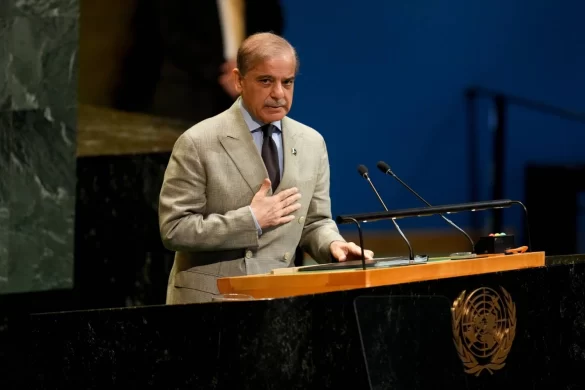
On the occasion, Prime Minister Shehbaz Sharif paid tribute to the father of the nation. He said Quaid-e-Azam rose above divisions of race and ethnicity to promote harmony, social tolerance, and justice.
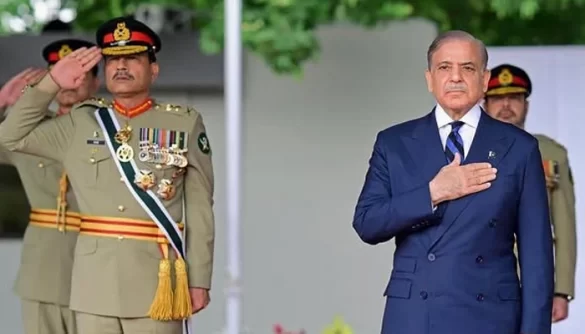
Similarly, the Pakistan Armed Forces issued messages of remembrance. Army Chief and Chief of Defence Staff Field Marshal Asim Munir reaffirmed commitment to Jinnah’s vision. He pledged continued dedication to building a strong, sovereign, democratic, and prosperous Pakistan.
Thus, these messages reinforced a shared national resolve to uphold the ideals laid down by the country’s founder.
An Enduring National Legacy
As Pakistan commemorates the 149th birth anniversary of Quaid-e-Azam, the day serves both as remembrance and reflection. While citizens celebrate his achievements, they also renew their commitment to his principles.
Ultimately, Jinnah’s leadership continues to inspire generations. His vision remains a guiding force for Pakistan’s unity, democracy, and future progress.