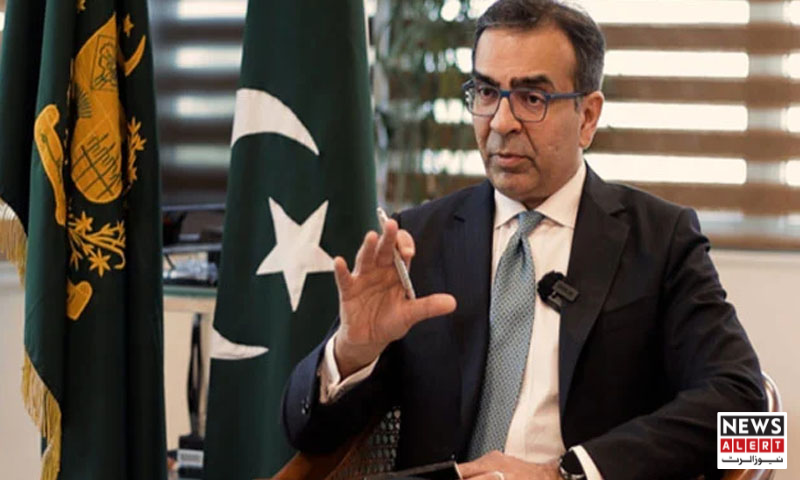
Pakistan’s Privatisation Adviser, Muhammad Ali, has defended the privatisation of Pakistan International Airlines (PIA), saying the airline would have become unfit to operate within two years if the move had not been taken.
Speaking about the recently completed privatisation process, Ali said the decision would not only improve PIA’s operational performance but also help attract fresh investment into Pakistan’s struggling economy.
He stressed that running commercial businesses was not the government’s core responsibility. Instead, he said, the state should focus on policy-making and regulation. According to him, PIA’s privatisation reflects this broader economic principle.
Also Read: Pakistan Sells 75% of PIA to Arif Habib Consortium for Rs135 Billion
Government Oversight and Fast-Tracked Process
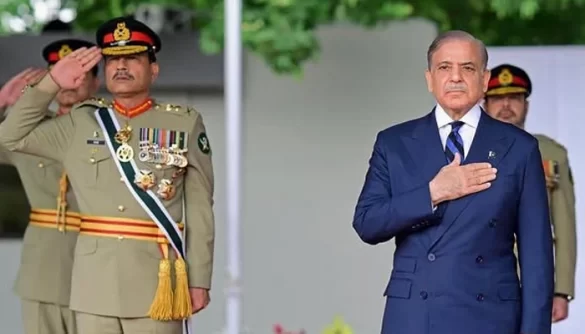
Muhammad Ali said the privatisation process was carried out under the direct supervision of the prime minister. He added that senior officials, including top military leadership, supported the effort to ensure transparency and speed.
As a result, the bidding phase was completed within six months. This marked a sharp contrast with earlier failed attempts to reform the airline.
Ali acknowledged that serious mistakes were made in the past. He said poor decisions over many years placed a heavy financial burden on the public. Ultimately, taxpayers paid the price for PIA’s continued losses.
Shrinking Fleet and Declining Capacity
The adviser highlighted the airline’s deteriorating operational condition. At one point, PIA had nearly 50 operational aircraft. Today, however, the situation is far worse.
Out of a fleet of around 30 planes, only 18 are currently operational. Of these, 12 aircraft are on lease rather than owned. In addition, seven planes are between 12 and 15 years old, increasing maintenance costs and reducing efficiency.
Despite these limitations, PIA still operates services to around 30 destinations. It currently holds roughly 30 percent of Pakistan’s aviation market. Each year, approximately four million passengers travel on PIA flights.
Strategic Assets and Long-Term Vision
Ali described PIA’s landing routes as its most valuable asset. These routes, especially international ones, give the airline long-term commercial potential.
He said privatisation would allow the airline to gradually restore its former stature. Ideally, PIA should have a fleet of around 100 aircraft to compete regionally. While far from that target today, Ali said progress would now be possible under private management.
The government believes private ownership will enable faster decision-making, better fleet expansion, and improved customer service.
Losses, Public Funds, and Missed Technology Shifts
The adviser warned against what he called a deliberate misinformation campaign against PIA. He said misleading narratives were being spread on social media to undermine the privatisation process.
Ali explained that the idea of privatising PIA first emerged in 1999. However, after 2009, the airline’s performance declined sharply. Between 2015 and 2024 alone, PIA reportedly incurred losses exceeding 500 billion Pakistani rupees. These losses were covered using public funds.
He added that global aviation underwent major technological changes after 2000. Airlines worldwide adopted digital systems, modern booking platforms, and data-driven operations. PIA, however, failed to make this transition on time.
This technological gap further weakened the airline’s competitiveness.
Warning of Collapse Without Privatisation
According to Muhammad Ali, the situation had become critical. He said that without privatisation, PIA might not have remained airworthy within two years.
He revealed that eight parties initially showed interest during the early stages of the privatisation process. The government expects the new owners to gradually increase the number of aircraft and modernise operations.
The ultimate goal, he said, is to restore public trust, rebuild PIA’s reputation, and revive its historic role as a national flag carrier.
For Pakistan, the government hopes the move will also send a positive signal to international investors. After years of losses and missed opportunities, officials believe privatisation offers the airline its last realistic chance of survival.