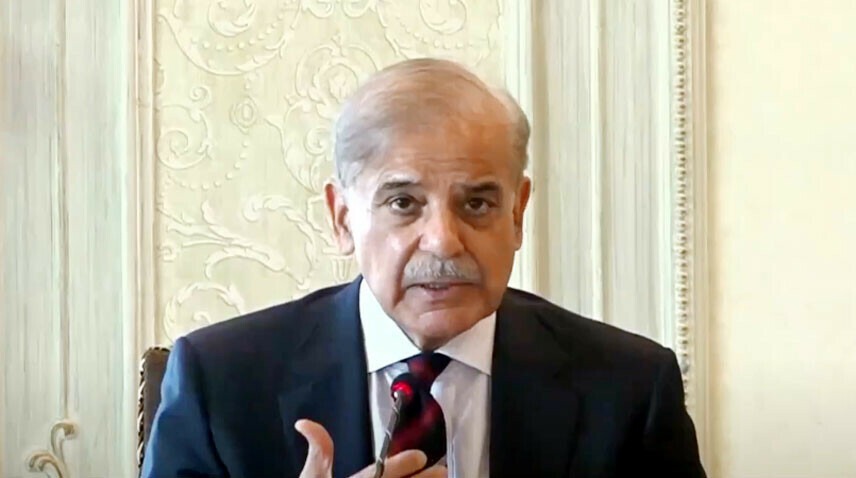
ISLAMABAD/KARACHI: Prime Minister Shehbaz Sharif on Friday approved an indicative wheat price of Rs4,500 per maund for 2027, an increase of Rs1,000 from the previous year’s rate of Rs3,500.
The approved rate, however, remains Rs500 below the price demanded by farmers.
According to a statement issued by the Prime Minister’s Office, Shehbaz said the increase was intended to provide relief to growers facing higher production costs, rising fuel prices and inflationary pressures.
He said the decision would encourage farmers to cultivate wheat, strengthen national food security, support domestic production and bring greater stability to the agriculture sector.
The prime minister added that the revised price was expected to help growers recover their input costs and earn a reasonable profit.
He acknowledged the guidance of President Asif Ali Zardari and PML-N President Nawaz Sharif, as well as the cooperation of Punjab Chief Minister Maryam Nawaz and Sindh Chief Minister Murad Ali Shah during consultations on the decision.
Government Seeks Uniform Wheat Pricing Policy
Separately, Federal Minister for National Food Security Rana Tanveer Hussain said the government was working towards establishing a uniform wheat price in coordination with the provinces.
Speaking to the media after inaugurating the upgraded Central Plant Quarantine Laboratory (CPQL), the minister said farmers had received low prices for their wheat and expressed hope that market prices would decline within days.
He said the federal government was coordinating with provincial administrations to stabilise the market, adding that bringing wheat to market was primarily the responsibility of provincial governments.
“Ensuring food supplies for a population of 260 million is a challenge,” the minister said.
He added that the federal government had reserved one million metric tonnes of wheat and issued instructions to preserve the stocks. Pakistan also had surplus supplies of rice and tomatoes, he said.
Sugar Surplus Raises Questions Over Farmers’ Returns
Discussing the sugar sector, Tanveer said farmers often struggled to obtain appropriate prices for sugarcane when domestic sugar production exceeded demand.
He attributed some of the problems to inaccurate data and said the prime minister had directed officials to develop a mechanism to ensure complete accuracy in the relevant figures.
The minister said the country currently had a sugar surplus that could be exported to benefit farmers. However, he noted that the ex-mill price was below production costs.
He added that sugarcane crushing was scheduled to begin on November 15.
Tanveer also acknowledged that farmers needed better access to information and awareness initiatives. He said the government was working with provincial administrations to improve awareness and was exploring alternatives to reduce dependence on imported palm oil.
Wheat Prices Surge by 700 Rupees, Pushing Bread Costs Higher Across Punjab
Upgraded Quarantine Laboratory to Strengthen Exports
The minister said the Central Plant Quarantine Laboratory had been upgraded at a cost of Rs400 million.
According to Tanveer, the facility had previously been in poor condition, with non-functional machinery and concerns over the use of allocated funds.
He said importers and exporters had lodged numerous complaints about testing standards and alleged that bribery had become widespread.
“I cannot say that angels have been working here, but we have broken the mafia. Today, all the mafias have been eliminated,” he said.
The Ministry of National Food Security partnered with the International Centre for Chemical and Biological Sciences, which operates under the University of Karachi’s HEJ Research Institute of Chemistry, to upgrade the facility.
Trained and experienced HEJ staff have been deployed at the laboratory, the minister said.
The upgraded facility is expected to improve testing capacity, strengthen export capabilities and provide commercial testing services for pesticide residues.
Tanveer also reported that interceptions in the plant quarantine sector had fallen from 376 to 23, expressing hope that the upgraded laboratory would lead to further improvements.
PM Orders Time-Bound Plan to Eradicate Foot-and-Mouth Disease
In a separate development, Prime Minister Shehbaz Sharif approved the restructuring of the Livestock and Dairy Development Board and directed authorities to ensure that its chairman and members were selected transparently and strictly on merit.
Chairing a review meeting on livestock sector reforms, the prime minister said the board should become an effective institution by bringing in capable and experienced professionals from the private sector.
He directed the relevant authorities to prepare a comprehensive action plan for the complete eradication of foot-and-mouth disease, with clear targets, measurable outcomes and a fixed timeframe.
The prime minister also announced that the federal government would establish a plant in Islamabad to manufacture modern and effective livestock vaccines using its own resources.
He instructed officials to engage internationally recognised consultants to support the development of the livestock and dairy sectors and called for cooperation with countries that have expertise in these fields.
Livestock Exports Seen as Key to Economic Growth
Shehbaz said Pakistan had substantial untapped potential in livestock and dairy production that could contribute to export growth and economic development.
He stressed that improvements in animal health, breeding, productivity and supply chains were necessary to strengthen the sector’s competitiveness.
According to the prime minister, developing these areas could help Pakistan expand meat and dairy exports, boost rural economic activity and create employment opportunities.
The meeting also received briefings on the proposed restructuring of the Livestock and Dairy Development Board, animal disease surveillance, vaccination programmes, animal identification and traceability systems, and measures to increase exports of livestock products.
The proposed reforms are intended to improve institutional performance while addressing animal health challenges that can affect domestic production and international trade.
Pakistan Seeks International Expertise for Economic Reforms
Meanwhile, Prime Minister Shehbaz Sharif reiterated the government’s willingness to engage international economic experts and explore new markets to promote investment and long-term economic growth.
He expressed these views during a meeting with Peter Briggs, managing director of North American operations at international consulting firm Alvarez & Marsal (A&M).
The prime minister said that after achieving economic and fiscal stability, the government was pursuing structural reforms aimed at promoting export-led growth and developing a more productive economy.
He highlighted efforts to improve the performance and efficiency of domestic manufacturing while attracting foreign direct investment.
Shehbaz also said the government was assessing the economic viability of state-owned enterprises before considering privatisation as part of its strategy to support the national economy.
He stressed that qualified professionals and experienced teams could help strengthen Pakistan’s economic performance and improve the implementation of reforms.
The prime minister said Pakistan was prepared to establish productive partnerships with international consulting firms, with an emphasis on measurable results and accountability.
Briggs thanked Shehbaz for the meeting and welcomed the government’s commitment to attracting foreign investment and working with international economic experts.
He also expressed Alvarez & Marsal’s interest in cooperating with Pakistan to promote a more progressive business environment and a productive economy.