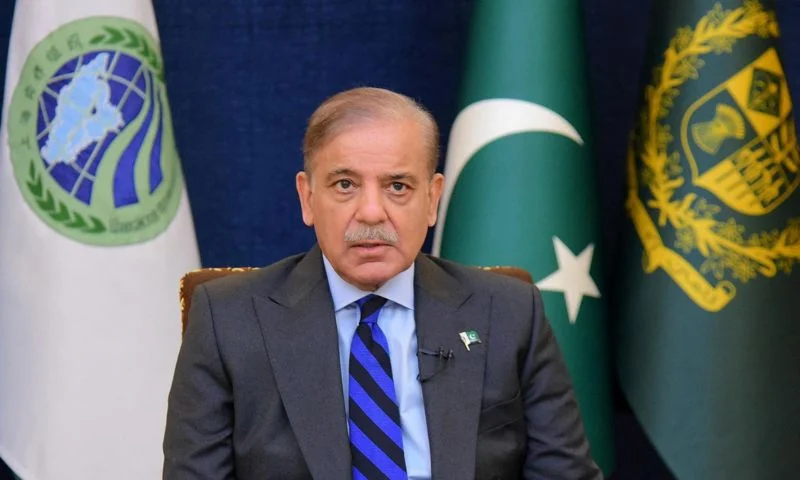
Prime Minister Shehbaz Sharif has strongly condemned attacks by Yemen’s Houthi movement on civilian and energy facilities in Saudi Arabia, describing them as a “cowardly” act that endangered innocent people and threatened peace and security across the region.
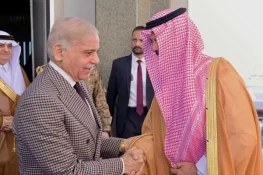
In a statement posted on X, the prime minister expressed Pakistan’s solidarity with Saudi King Salman bin Abdulaziz Al Saud, Crown Prince Mohammed bin Salman and the people of Saudi Arabia. He also reaffirmed Islamabad’s support for the Kingdom’s sovereignty, security and territorial integrity.
The condemnation came after the Houthis claimed a broad military operation deep inside Saudi territory, targeting several locations in the country’s south.
Four Saudi Cities Targeted
According to reports, Houthi forces used drones and missiles in attacks targeting areas around Khamis Mushait, Abha, Najran and Jazan.
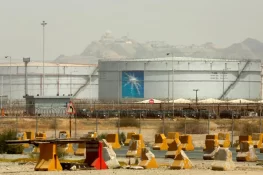
The strikes reportedly included a Saudi airbase in Khamis Mushait and facilities associated with Saudi Aramco, the Kingdom’s state-owned oil company, in nearby areas. Jazan, a major Red Sea port city, was also targeted. The city is home to significant energy infrastructure, including a refinery and power plant.
Saudi authorities reported fires at some of the targeted sites and said 73 people were injured. Women and children were among those hurt, according to the reports.
Prime Minister Shehbaz said attacks of this nature not only endanger civilians but also undermine regional stability.
He prayed for the swift recovery of those injured and reiterated Pakistan’s steadfast support for Saudi Arabia.
I condemn in the strongest terms, the cowardly attack by Houthis targeting civilian and energy facilities in the Kingdom of Saudi Arabia, which have left many people injured.
Pakistan stands in unwavering solidarity with the Custodian of the Two Holy Mosques, His Majesty King…
— Shehbaz Sharif (@CMShehbaz) September 8, 2026
Gillespie Says Attacks Could Escalate Regional Tensions
The latest attacks represent a significant development amid renewed military tensions across the wider Middle East.
The Houthis control much of Yemen’s most populated territory, including the capital, Sanaa. The group has been involved in a prolonged conflict with Saudi Arabia and its allies, while tensions involving regional powers have also affected security around the Red Sea.
The Houthis said their latest operation was carried out in response to Saudi military action in Yemen. Houthi spokesperson Yahya Saree accused Riyadh of escalating the conflict and warned that the group would respond to further attacks.
Saudi-led coalition spokesperson Colonel Turki al-Malki, meanwhile, said the coalition would take what he described as necessary operational measures to deter the Houthis and confront their hostile activities.
Three Pakistanis Killed in Houthi Attack on Red Sea Commercial Ship
Energy Supplies Face Growing Risks
The attacks have also raised concerns about the potential impact on regional energy supplies.
Saudi Arabia is one of the world’s largest oil producers, while the wider Gulf region is central to global energy markets. Any sustained disruption to oil infrastructure or shipping routes could therefore have consequences far beyond the Middle East.
Brent crude prices rose by more than 2% on Tuesday, moving above $99 a barrel, amid renewed tensions in the Gulf.
The Houthis have previously threatened shipping around the Red Sea, adding another layer of risk to an already fragile regional security situation. The Red Sea is an important route for international trade and energy shipments.
Fighting Displaces Thousands in Yemen
The latest escalation is also having an impact on civilians inside Yemen.
The International Organization for Migration reported that more than 18,500 people had fled their homes because of fighting along Yemen’s western coast over a three-day period.
After a period of relative calm in August, renewed hostilities have increased concerns that the regional conflict could widen further.
For Pakistan, the latest developments have prompted a clear diplomatic response. Prime Minister Shehbaz’s condemnation reflects Islamabad’s stated position in support of Saudi Arabia’s sovereignty and security while warning against attacks that put civilian lives at risk.
As tensions continue to rise, the focus is likely to remain on whether further military action will trigger a broader escalation and create additional pressure on regional security, energy markets and international shipping routes.