Dry Sweeping Prohibited Across Punjab
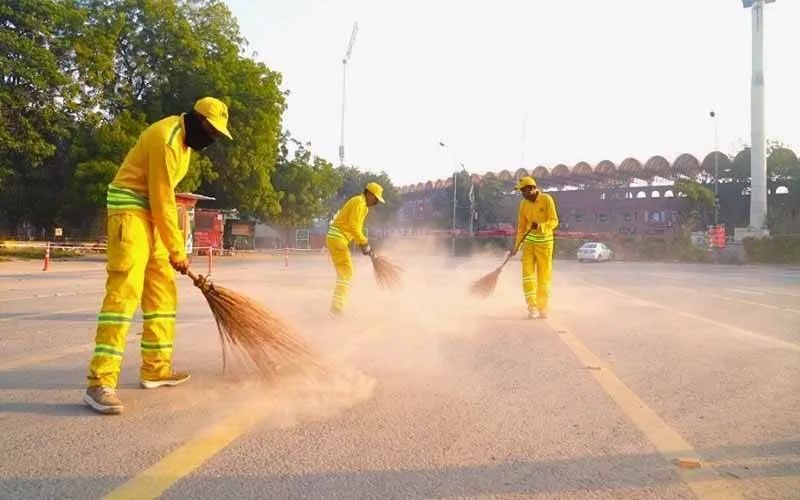
The Punjab Environmental Department has announced a ban on dry sweeping of streets across the province to combat air pollution and prevent worsening smog conditions. All government offices, municipal authorities, and cleaning companies have been instructed to wet streets with water before sweeping.
According to a notification issued by Imran Hamid, Director General of the Punjab Environmental Department, dry sweeping stirs up dust and dirt particles, which remain suspended in the air. This airborne dust is a significant contributor to smog, particularly during the winter months when air quality is already poor, the notification stated.
Wet Sweeping Now Mandatory
The notification clarifies that authorities must replace dry sweeping with wet sweeping. Wet sweeping involves spraying water on roads before cleaning, a practice known to reduce the amount of dust released into the atmosphere. Experts say that this simple measure can significantly improve air quality, especially in densely populated urban areas.
Ban on Lime Powder Cleaning
The department also imposed a complete ban on using lime powder for cleaning streets. Officials warned that lime dust not only pollutes the air but can also cause respiratory problems, eye irritation, and other health issues for residents.
Enforcement and Compliance
Punjab’s environmental authorities have directed all district administrations and water and sanitation agencies (WASA) to ensure immediate compliance with the new rules. Violations will trigger strict action, although specific penalties were not detailed in the notification.
This move comes amid growing concerns about seasonal smog in Punjab, which can cause serious health issues, particularly for children, the elderly, and people with pre-existing respiratory conditions. Studies in Pakistan indicate that particulate matter (PM2.5) levels often exceed World Health Organization safety limits during winter, making measures like wet sweeping critical for public health.
By mandating wet sweeping and banning harmful cleaning agents, Punjab aims to improve urban air quality and reduce the environmental footprint of municipal cleaning activities.