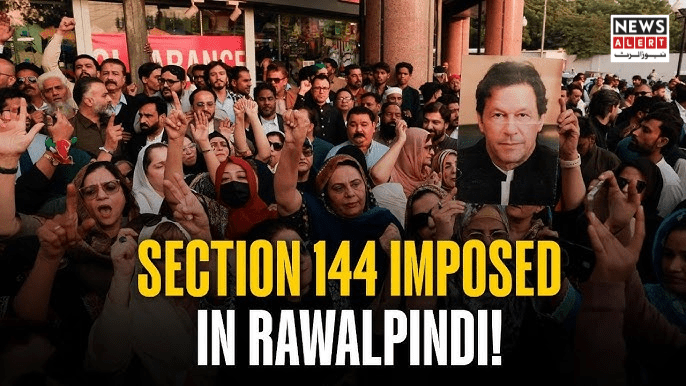
Rawalpindi authorities have enforced Section 144 to prevent any unrest in the city. The order blocks all types of public gatherings for three days. Officials say they want to keep the city calm during a sensitive period.
Authorities Act After Security Briefing
The Deputy Commissioner of Rawalpindi shared the decision in an official notification. The District Intelligence Committee reviewed the city’s security situation during a meeting and advised the administration to take precautionary steps.
Officials did not share details of any specific threat. However, they often use Section 144 when they expect political activity, protests or security risks. The law gives district administrations the power to curb public movement when they believe peace could suffer.
Ban Covers All Types of Gatherings
The order blocks rallies, marches, sit-ins, political gatherings and religious processions. The restrictions started on 1 December and will stay in place until 3 December.
Officials say they will take strict legal action against anyone who violates the order. Police teams will monitor key locations and respond quickly to disruptions. The administration aims to avoid any situation that may lead to clashes or traffic chaos.
Appeal for Calm and Cooperation
The district administration has asked citizens to cooperate. It urged people to avoid unnecessary gatherings and help maintain peace. Rawalpindi’s dense population and heavy traffic often turn small disturbances into bigger problems. Officials want to prevent such risks during the three-day period.
Rawalpindi sits next to the federal capital, Islamabad, and often becomes a focal point for political activities. Even a small protest can cause long traffic jams around the city’s main roads and create security issues. Authorities say the temporary curbs will help keep the city stable.
Why Section 144 Is Common in Pakistan
You can read a broader overview of recent restrictions in the region here: Authorities impose Section 144 across Rawalpindi Division, banning public gatherings. Administrations use it for a range of reasons:
-
Political parties may plan rallies or marches.
-
Intelligence agencies may share alerts about possible attacks.
-
Sectarian events sometimes raise security concerns.
-
Courts may issue decisions that trigger public reactions.
In many cities, including Rawalpindi, authorities prefer preventive action. They argue that quick steps often stop violence before it starts.
Mixed Reactions From Residents
The announcement has drawn mixed views. Some residents welcome the move. They feel the city needs strict measures when the security environment becomes uncertain. Others believe the ban limits their right to gather and express opinions. Many, however, expect a limited impact on daily routines because the order lasts only three days.
Shops, markets and public transport will continue to operate. Police will increase patrols in busy areas to make sure people follow the rules. Local media report that officers have received instructions to stay alert in areas where protests often begin.
A Short Order With a Big Purpose
The administration’s goal is simple: keep the city peaceful. Rawalpindi holds strategic value because it hosts important military and government offices. This often pushes local authorities to act quickly when they sense possible trouble.
If the situation remains calm, officials are likely to lift the restrictions on 3 December. Residents now wait to see whether the coming days pass quietly or whether authorities extend the order.