Kingdom tightens regulations ahead of the next Hajj season
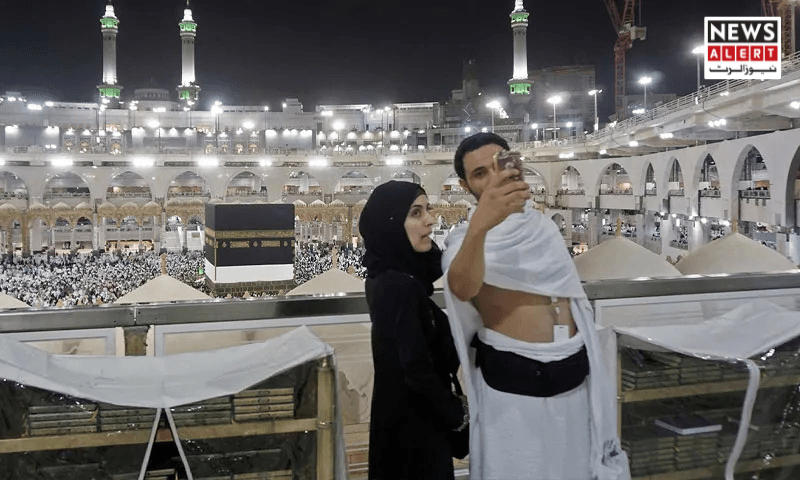
Saudi Arabia’s Ministry of Hajj and Umrah has announced a complete ban on photography and video recording inside the Two Holy Mosques — Masjid al-Haram in Makkah and Masjid an-Nabawi in Madinah.
The decision affects mobile phones, professional cameras, and all digital recording devices. It will take effect from the upcoming Hajj season. According to officials, the aim is to preserve the sanctity of worship and improve the overall pilgrim experience. Moreover, the ministry hopes the measure will reduce disruptions that have grown common in recent years.
A measure designed to reduce interruptions and protect privacy
The ministry explained that unrestricted filming often causes delays. For example, many pilgrims stop suddenly to take photos, which disrupts prayer lines and slows movement. In addition, such behaviour increases pressure around sensitive areas, including the Black Stone and the Rawdah.
Officials outlined several recurring issues:
-
Delays during prayers, as people pause for selfies or short videos.
-
Heavy congestion near high-demand zones.
-
Invasion of personal space, which can spark arguments.
Consequently, authorities believe the ban will help create a calmer atmosphere. Furthermore, it will support security teams who already work under significant pressure during peak crowd moments. The number of pilgrims continues to grow. In 2024, more than 1.8 million people performed Hajj. Therefore, the ministry expects that stronger rules are now necessary.
From gentle recommendations to firm enforcement
Previously, officials issued nonbinding advice rather than strict rules. Pilgrims were encouraged to avoid staged photos or capturing others without permission. However, these reminders had limited impact because many visitors still recorded their journey for social media.
With the new policy, those suggestions have become enforceable restrictions. Security personnel inside both mosques will oversee compliance. The ministry has not announced any fines, yet it emphasized education and cooperation. In other words, authorities prefer voluntary adherence before considering tougher measures.
Restrictions will extend to other sacred locations
Saudi officials confirmed that the ban will also apply to other major sites on the Hajj route. These include Arafat, Mina, Muzdalifah, and various Miqat points. Additionally, authorities stated that crowd density in these areas requires stricter control. As a result, the new rule aims to prevent unsafe halts and reduce unnecessary movement.
Several local and international delegations had already raised concerns about rising camera use. They argued that constant filming distracts pilgrims from spiritual reflection. Moreover, privacy issues have grown, especially among worshippers who do not wish to appear in photos or online posts.
A broader plan to improve safety and spiritual focus
The Ministry of Hajj and Umrah described the new ban as part of a wider strategy. The plan seeks to enhance safety, maintain order, and preserve the dignity of religious rituals.
Authorities expect the policy to:
-
Minimize distractions during key acts of worship.
-
Strengthen privacy protections for visitors.
-
Reduce pushing and crowd build-up at popular locations.
-
Encourage pilgrims to focus on prayer instead of filming.
Ultimately, officials say the new measure will support a peaceful, secure, and spiritually focused experience for millions who visit the Two Holy Mosques each year. They also stressed that cooperation from pilgrims will be essential. Therefore, the ministry urges visitors to respect the updated regulations and help maintain a serene environment.