At least 30 people were killed when two high-speed trains collided in Spain on Wednesday, marking the second deadly railway disaster in less than a year on the line connecting Madrid with the southern region of Andalusia.
Authorities in the Castilla-La Mancha region confirmed the rising death toll after initially reporting 10 fatalities and warning that the number could increase.
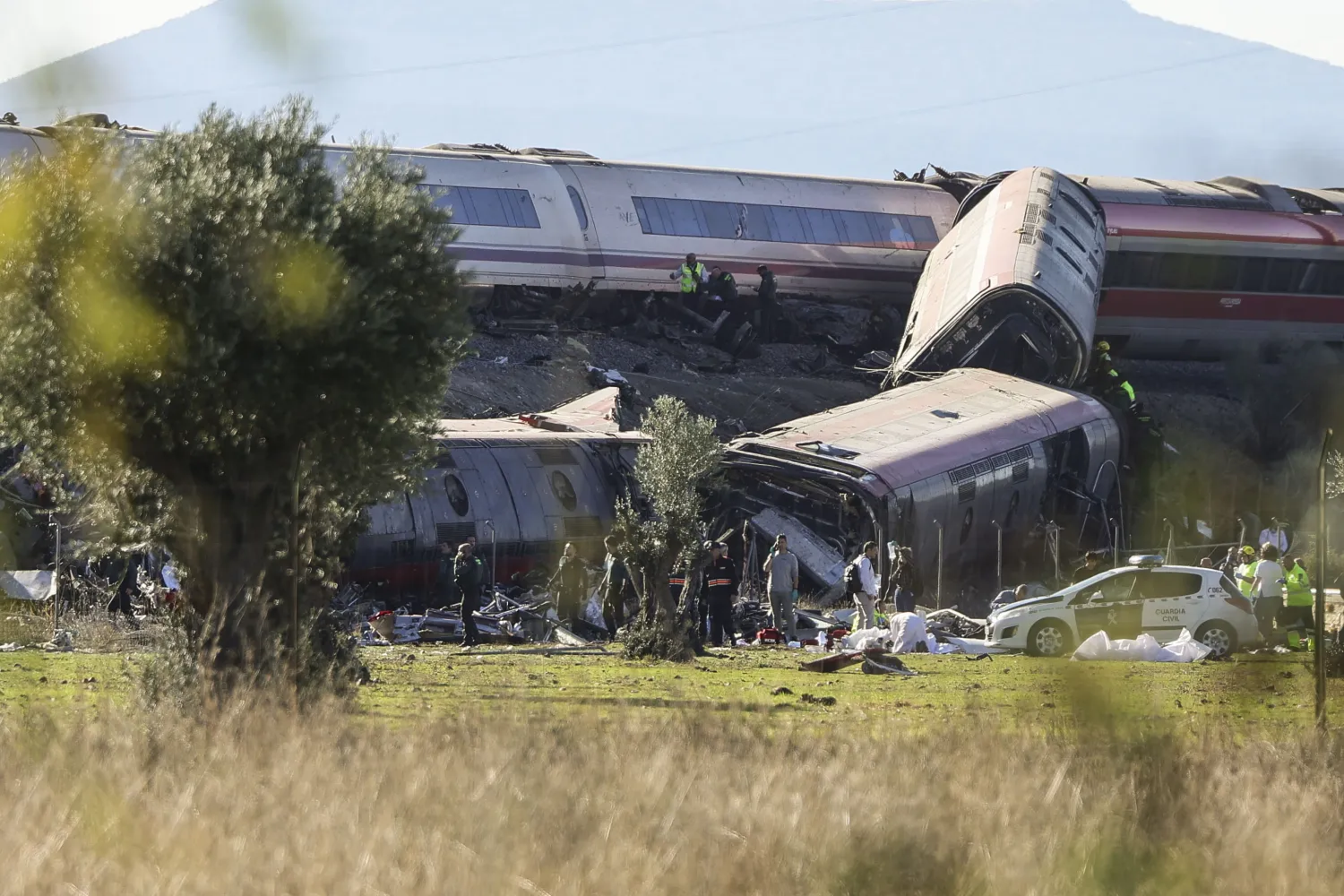
Footage released by regional broadcaster Castilla-La Mancha Television showed a derailed train with at least one carriage still positioned on an elevated section of track. Twisted metal, broken panels and wreckage were scattered across the embankment below.
The cause of the collision had not been established in the report.
Passenger Describes Terrifying Moments
A passenger named Miguel, who was travelling with several colleagues in the rear carriage of one of the trains, described the moment of the collision in an interview with Spanish radio station COPE.
He said passengers heard an enormous noise and felt a powerful impact that lasted several seconds, making it seem as though their train was about to derail.
Miguel added that he looked through the window on the right-hand side and saw a wrecked train, which he believed was the other train involved in the collision.
His account offered a glimpse of the confusion and fear experienced by passengers during the accident.
Wreckage Scattered Below Elevated Track
Images from the scene showed extensive damage, with debris spread across the embankment beneath the railway line.
The position of the derailed carriage on the elevated track highlighted the severity of the collision and the difficult conditions facing emergency responders.
Regional authorities reported that the number of fatalities had risen sharply as further information became available.
The report did not provide a complete breakdown of the number of injured passengers or details about the ongoing rescue and recovery operation.
Deadly Train Collision in Southern Spain Leaves at Least 39 Dead
Second Deadly Crash on the Same Route
The latest disaster comes around nine months after another fatal collision involving high-speed trains on the same railway line.
In January, 46 people were killed when a train derailed and struck an oncoming train near Adamuz in Cordoba province, according to the report.
That accident prompted renewed debate over railway safety and investment in infrastructure maintenance, with questions raised about whether sufficient resources had been allocated to maintaining the network.
The recurrence of a deadly accident on the same route is likely to intensify scrutiny of railway operations, infrastructure and safety procedures.
🤝 Ante el accidente ferroviario en la provincia de #Toledo la Secretaría General de @proteccioncivil y Emergencias está siguiendo la evolución de la emergencia en contacto permanente con los equipos de Protección Civil de Castilla-La Mancha @112clm. https://t.co/qAoxdgiqcD
— Ministerio del Interior (@interiorgob) October 28, 2026
Railway Safety Under Renewed Scrutiny
Spain operates an extensive high-speed rail network that connects major cities and serves large numbers of passengers. Serious accidents involving high-speed trains can therefore have significant consequences for public confidence in the system.
However, the cause of Wednesday’s collision remains unclear, and the available information does not establish whether infrastructure maintenance, technical failures or other factors contributed to the crash.
Authorities are expected to face further questions as details emerge about the circumstances of the collision and the measures needed to prevent similar tragedies.
The immediate priority remains establishing the full scale of the disaster and determining what led to the two trains colliding.