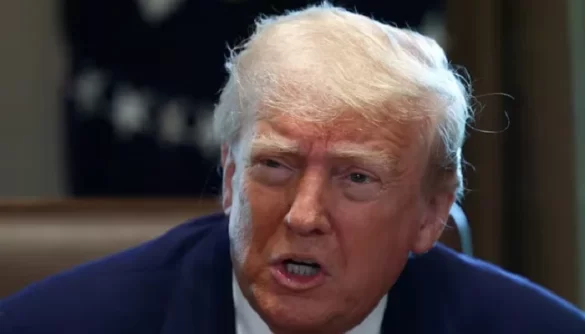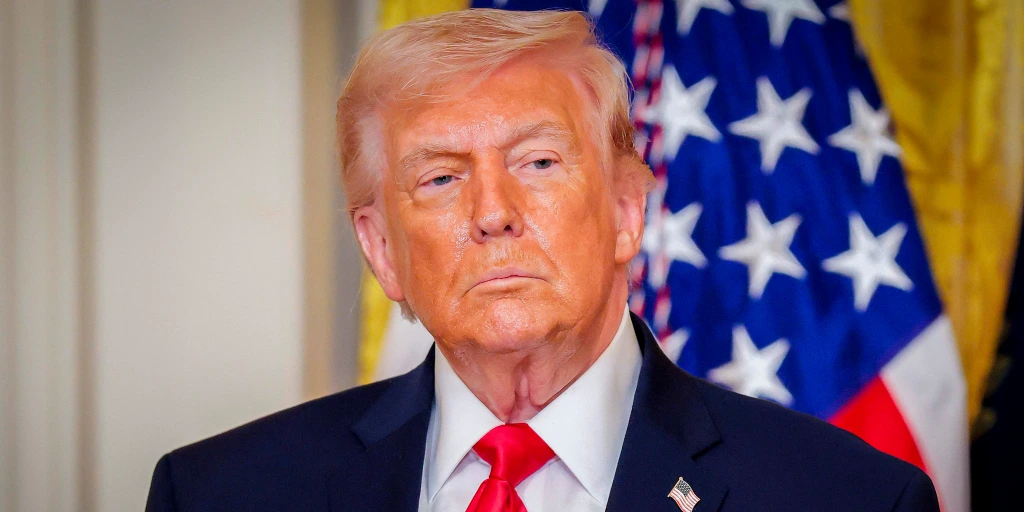
US President Donald Trump said Wednesday that his special envoy Steve Witkoff was making progress in negotiations with Iran, while indicating that reaching a deal was not his preferred option.
“He’s working on the Iran deal and doing very well. I think the deal isn’t really something that I want to do, but they’re willing to offer us anything to stop,” Trump told supporters at a campaign rally in San Antonio, Texas.
Trump also reiterated that Iran would not be allowed to acquire a nuclear weapon.
“They will never have a nuclear weapon,” he said, while praising Witkoff as a “great negotiator” and crediting him with helping secure the Gaza ceasefire.
The president also said he expected the war with Iran to end soon, although he did not provide a specific timeline.
“That war ends. It’s going to be very soon. It’s got to be very soon,” Trump said.
Pentagon preparing options amid uncertainty
Trump’s comments came as reports emerged that the White House had asked the Pentagon to develop military options for possible strikes against Iranian targets.
According to media reports, the options could potentially be considered before the November 3 US midterm elections. A Pentagon official told Anadolu that the department’s role was to develop and present military options to the president, but did not confirm or deny the reports.
The Atlantic, citing two administration officials, reported that the scale and targets of any potential strikes remained under discussion. The magazine also reported that some of Trump’s advisers believed new strikes would be more appropriate after the midterm elections.
Separately, Axios reported that the Pentagon had instructed US Central Command to complete preparations for a possible resumption of major combat operations against Iran. The report said no specific date had been set for any potential strikes.
US, Iran resume indirect diplomacy as Trump signals further talks
Tanker attacks in Strait of Hormuz rise
The latest diplomatic uncertainty comes amid heightened risks to commercial shipping in the Strait of Hormuz.
At least 12 attacks, attempted attacks or incidents involving oil, liquefied natural gas and liquefied petroleum gas tankers were recorded around the strait between September 28 and October 5, according to maritime security sources cited by Reuters. The incidents included drone overflights, surveillance and radio harassment attributed to Iran’s Revolutionary Guards.
The figure represented the highest number of such incidents in a single week since the US-Iran war began on February 28, according to the sources. Data from the International Maritime Organisation recorded nine incidents during the same period, with maritime sources noting that the UN agency generally takes longer to verify and formally record incidents.
The increase in attacks has coincided with disruptions to shipping through the strategic waterway. Reuters reported Thursday that only seven commodity vessels crossed the Strait of Hormuz on Tuesday, while crude oil shipments through the route fell 27% from the previous week’s wartime high to around 10.1 million barrels per day.
Iran war continues to affect energy markets
The prolonged conflict has also kept pressure on global energy markets. Brent crude rose above $102 per barrel on Thursday amid concerns over supply disruptions caused by attacks on tankers and other regional infrastructure.
India’s foreign ministry separately said 12 crew members were injured after an unidentified projectile struck the Panama-flagged oil tanker On Peace while it was travelling through the Strait of Hormuz.
The latest developments leave the future of US-Iran negotiations uncertain, with Washington continuing to discuss diplomatic options while maintaining preparations for possible military action.