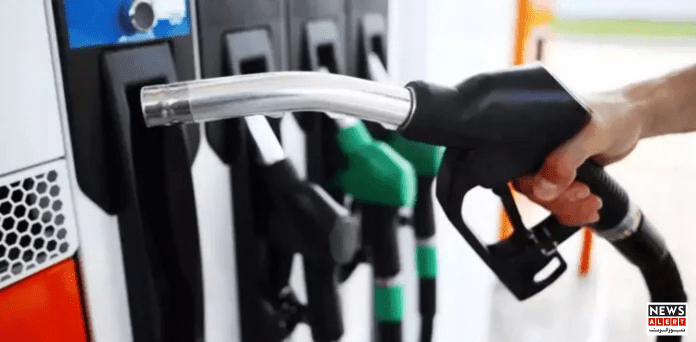
The United Arab Emirates has lowered fuel prices for January, giving motorists welcome relief just before the New Year. The country’s Fuel Price Committee announced the decision, which reduces petrol rates compared with December. The move reflects recent shifts in global oil markets and follows the UAE’s long-standing monthly fuel pricing system.
The new prices will take effect on January 1. As a result, drivers across the country will start the year with lower transport costs. Many residents have welcomed the announcement, especially at a time when household expenses often rise.
Revised Petrol Prices for January
The Fuel Price Committee confirmed that Super 98 petrol will now sell for AED 2.53 per litre. In December, drivers paid AED 2.70 per litre for the same grade. This reduction offers noticeable savings for regular commuters.
In addition, the committee lowered the price of Special 95 petrol. Motorists will pay AED 2.42 per litre in January, compared with AED 2.58 in December. These price cuts mean that drivers who refuel frequently can reduce their monthly fuel spending.
Each month, the committee reviews fuel prices and adjusts them accordingly. It considers international oil benchmarks and current market trends. This process ensures that local fuel prices move in line with global developments.
Global Oil Prices Influence the Cut
Global oil market movements played a key role in the January price reduction. In recent weeks, international crude prices have shown volatility due to changing supply and demand conditions.
Analysts point to slower economic growth in some regions, which has softened oil demand forecasts. At the same time, major oil producers continue to reassess output levels. These combined factors have influenced global oil prices and, in turn, domestic fuel rates in the UAE.
Although the UAE ranks among the world’s leading oil producers, it links fuel prices directly to international markets. The government introduced this system in 2015 to reflect global price changes more accurately. When oil prices fall globally, consumers in the UAE often benefit.
Benefits for Consumers and Businesses
Lower petrol prices bring immediate benefits to households. Transport costs form a significant share of monthly expenses for many residents. Even small reductions can ease financial pressure, particularly at the beginning of the year.
Businesses also stand to gain. Transport operators, delivery services, and logistics companies rely heavily on fuel. Lower prices can reduce their operating costs. Over time, these savings may help limit price increases in goods and services.
Economists often highlight the link between fuel prices and inflation. When transport costs decline, supply chains become more efficient. This trend can support price stability across multiple sectors of the economy.
How the UAE Sets Fuel Prices
The UAE does not fix fuel prices for long periods. Instead, the Fuel Price Committee announces new rates every month. Representatives from the Ministry of Energy and other relevant authorities sit on the committee.
This monthly review system promotes transparency and predictability. It also shields consumers from sudden and extreme price changes. At the same time, it allows fuel retailers to respond to real market conditions.
The January reduction demonstrates how this system works in practice. While prices have dropped this month, future rates will depend on global oil market performance.
Positive Public Reaction Ahead of the New Year
Many residents have welcomed the fuel price cut. For families, January often brings extra financial commitments, such as school fees and routine bills after the holiday season.
Against this background, cheaper petrol offers some financial relief. Commentators and social media users have described the decision as timely and encouraging.
As the New Year begins, drivers across the UAE will benefit from lower fuel costs. While uncertainty remains in global oil markets, the latest price cut highlights how market-based pricing can ease pressure on consumers when conditions allow.