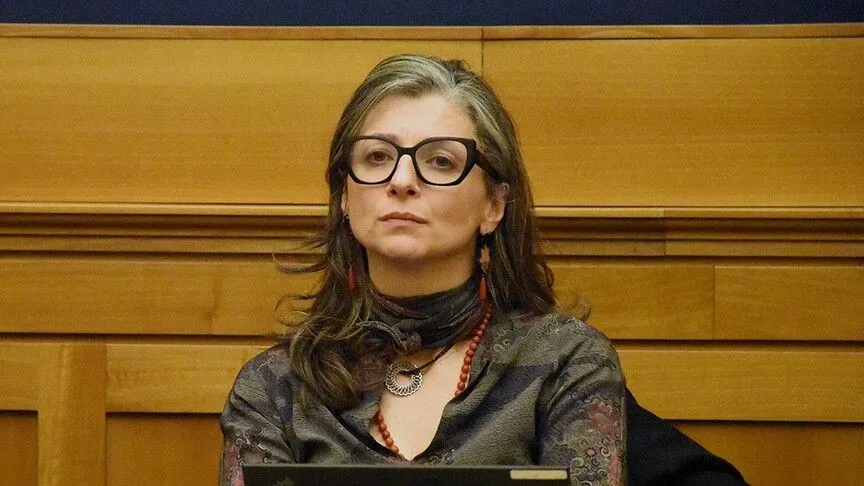
United Nations Special Rapporteur Francesca Albanese has condemned Costa Rica’s decision to deny her entry into the country, rejecting allegations that she has links to terrorist activities and demanding that the government provide evidence or withdraw its claims and apologise.
Albanese, the UN special rapporteur on human rights in the occupied Palestinian territories, arrived at Juan Santamaría International Airport on Thursday. She had been invited by the University of Costa Rica to receive an honorary doctorate on Friday.
Costa Rican immigration authorities refused her entry, citing national security concerns and an alleged international alert linking her to terrorist acts.
Costa Rica Cites National Security Concerns
Costa Rica’s Director General of Immigration, Omer Badilla, announced the decision in a video statement, saying Albanese was subject to an international alert over alleged links to terrorist activities.
He described her presence as a potential threat to national security but did not identify the authority responsible for issuing the alert or provide supporting evidence.
The decision prevented Albanese from attending the university ceremony, which was intended to recognise her academic work, publications and contributions to highlighting human rights violations.
Albanese Rejects Allegations and Demands Evidence
Speaking to Costa Rican media from the airport, Albanese categorically rejected the allegations.
She demanded that the government either substantiate its claims or retract them and apologise.
Albanese said governments had the authority to regulate entry into their territories but should not make unsubstantiated accusations against individuals.
She also questioned the circumstances surrounding the decision and suggested that it could be connected to sanctions imposed on her by the United States.
The US imposed sanctions on Albanese in 2025 over her work concerning the International Criminal Court and criticism of American policy towards Israel. The sanctions have been criticised by UN officials and human rights advocates.
Manchester United Sack Michael Carrick as Club Slips into Relegation Zone
Constitutional Court Suspends Possible Deportation
The University of Costa Rica expressed concern over the decision and called on immigration authorities and the Foreign Ministry to explain its legal basis.
The university also urged the authorities to respect Albanese’s rights and ensure that she received appropriate treatment as a UN-appointed independent expert.
Meanwhile, Costa Rica’s Constitutional Chamber issued an interim order preventing authorities from forcibly removing her from the country while it considers a habeas corpus petition filed on her behalf.
The court also directed immigration officials to submit a sworn explanation of their actions within 24 hours.
The legal proceedings could determine whether the authorities followed the country’s constitutional and legal requirements when refusing her entry.
Controversy Over Albanese’s Work on Palestine
Albanese, an Italian international law expert, was appointed by the UN Human Rights Council in 2022 as special rapporteur on the situation of human rights in the Palestinian territories occupied since 1967.
She has repeatedly criticised Israel’s military operations in Gaza and accused it of committing genocide against Palestinians. Israel and several of its allies have strongly rejected her allegations and criticised her statements.
Her mandate involves monitoring and reporting on human rights conditions in the occupied Palestinian territories. Special rapporteurs are independent experts appointed by the UN Human Rights Council and do not speak on behalf of the United Nations as an organisation.
Costa Rica’s Decision Draws International Attention
The incident has attracted attention because Costa Rica has traditionally supported multilateral institutions and international human rights mechanisms.
The refusal also comes amid closer diplomatic and trade relations between Costa Rica and Israel, alongside changes in the Central American country’s positions on some Palestine-related issues at the United Nations.
The University of Costa Rica has maintained that its invitation to Albanese was based on her academic record and human rights work.
The dispute now awaits further clarification from the Costa Rican government and the country’s Constitutional Chamber.
Source: The Express Tribune, Anadolu Agency, Agence France-Presse (AFP) and the University of Costa Rica.