The National Disaster Management Authority (NDMA) has issued a high-level alert warning of an intense heatwave affecting large parts of Pakistan from May 19 to May 26. Authorities say temperatures are expected to remain dangerously high for several consecutive days, prompting emergency preparedness measures across multiple provinces.
Areas Likely to Be Most Affected
According to the NDMA advisory, extreme heat conditions are expected across southern and central regions of the country, particularly in Punjab, Sindh, and Balochistan.
In Punjab, districts including Bahawalpur, Rahim Yar Khan, Bahawalnagar, Multan, Dera Ghazi Khan, Muzaffargarh, Rajanpur, Sargodha, Lodhran, Khanewal, Vehari, and Lahore are likely to experience significantly high temperatures.
Sindh is also expected to face severe heat, with affected areas including Hyderabad, Jacobabad, Sukkur, Larkana, Khairpur, Dadu, Naushahro Feroze, Tharparkar, Mirpurkhas, Umerkot, Badin, and even Karachi along with nearby regions.
View this post on Instagram
In Balochistan, vulnerable districts include Turbat, Sibi, Lasbela, Uthal, Jhal Magsi, Dera Murad Jamali, Nasirabad, Jaffarabad, and Panjgur, where extreme dry and hot conditions are expected to persist.
Health Risks and Safety Concerns
The NDMA has warned that prolonged exposure to high temperatures can lead to serious health risks such as heat exhaustion, dehydration, and heatstroke, especially among children, elderly citizens, and outdoor laborers.
The advisory also noted that rising humidity in southern Sindh and dry heat in inland Punjab and Balochistan may intensify discomfort and thermal stress, making conditions more hazardous.
Impact on Daily Life and Infrastructure
Officials have further cautioned that the heatwave may significantly increase electricity demand across the country, potentially putting pressure on power distribution systems. Agriculture, livestock, and daily wage workers are also expected to be affected due to reduced working capacity in extreme conditions.
NDMA Warns of Rising Temperatures Across Pakistan From May 18
Healthcare facilities may also face additional pressure as heat-related cases rise during the period.
Government Preparedness and Public Advisory
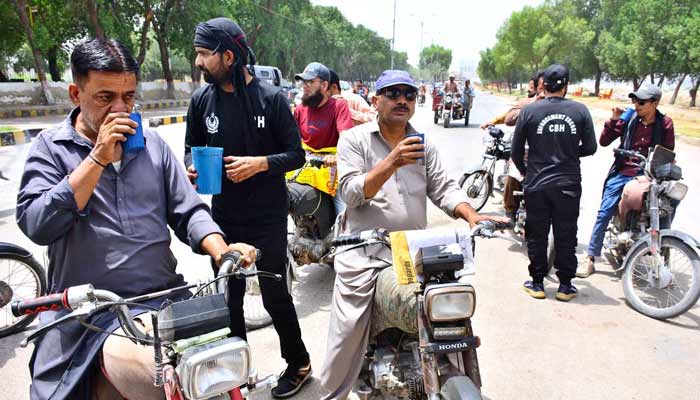
District administrations have been instructed to activate heatwave emergency plans, establish cooling centers, and ensure uninterrupted water supply in vulnerable areas.
Citizens have been advised to avoid unnecessary outdoor movement during peak afternoon hours, wear light clothing, and maintain proper hydration to reduce health risks.
Authorities have urged the public to take the warning seriously as the country prepares for a sustained period of extreme summer conditions.