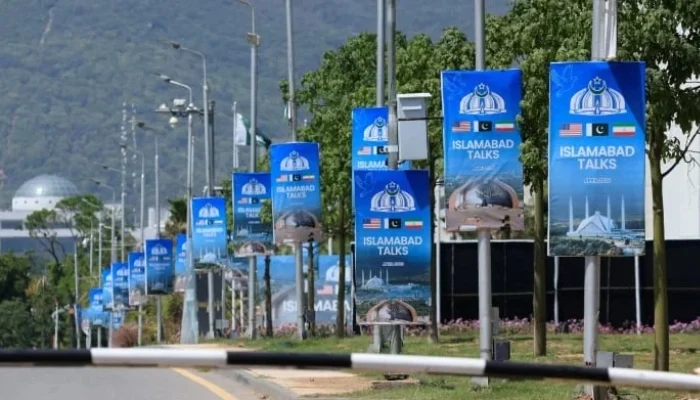
ISLAMABAD: Pakistan is expected to host the next round of US-Iran technical negotiations on July 14 and 15, according to government sources familiar with the matter.
The upcoming discussions are expected to bring together technical experts from both the United States and Iran for what would be the third round of negotiations aimed at advancing a broader diplomatic process and promoting long-term stability in the Middle East.
Pakistan to Continue Mediation Role
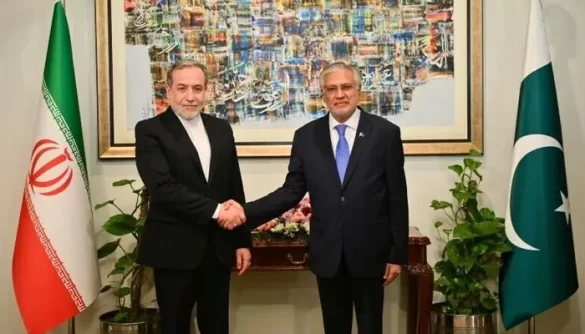
Sources said Pakistan will once again participate as a facilitator and mediator, continuing the role it has played alongside Qatar in recent negotiations between Washington and Tehran.
The proposed meeting follows two earlier rounds of technical talks held in Bürgenstock, Switzerland, and Doha, Qatar, where negotiators discussed key issues arising from the recently signed memorandum of understanding between the two countries.
Key Issues on the Agenda
According to Al Arabiya, the Islamabad talks are expected to focus on several major issues, including:
- US sanctions imposed on Iran.
- The release of Iran’s frozen overseas assets.
- The future of Iran’s nuclear programme.
- Technical implementation of commitments made under previous agreements.
The report added that the level of representation in the Iranian delegation will be determined after the funeral ceremonies of the late Iranian Supreme Leader, Ayatollah Ali Khamenei.
Progress Reported After Doha Talks
Officials familiar with the recent discussions in Doha said American and Iranian negotiators spent two days addressing practical issues related to maritime navigation through the Strait of Hormuz and mechanisms for unfreezing Iranian financial assets.
According to Qatar’s Foreign Ministry, the Doha negotiations achieved “positive progress” and built upon understandings reached during an earlier summit in Switzerland.
Following the talks, Qatar and Pakistan issued a joint statement confirming that separate meetings with both delegations had produced encouraging results and that diplomatic engagement would continue.
Background of the US-Iran Agreement
In June, Washington and Tehran reached a 14-point Memorandum of Understanding (MoU) through mediation by Pakistan and Qatar.
The agreement included a 60-day ceasefire that halted hostilities following the conflict triggered by US-Israeli military strikes on Iranian targets in late February. It also paved the way for the reopening of the strategically important Strait of Hormuz, one of the world’s busiest energy shipping routes.
Where Do US-Iran Talks Stand After the Latest Doha Negotiations?
Beyond the ceasefire, the agreement established a roadmap for future negotiations covering sanctions relief, reconstruction assistance, maritime security, and the long-term future of Iran’s nuclear programme.
Communication Mechanism Established
Following the latest round of indirect negotiations in Doha, Iran’s Deputy Foreign Minister Kazem Gharibabadi, who headed Tehran’s delegation, announced that both sides had agreed to establish a formal communication channel to report and document any alleged violations of the memorandum.
He also confirmed that discussions included the possible release of frozen Iranian assets. According to Gharibabadi, negotiators reviewed plans regarding the use of an initial $6 billion in funds, with an understanding that essential goods required by Iran would be purchased through the agreed mechanism.
Diplomatic Efforts Continue Amid Regional Tensions
The renewed diplomatic engagement comes after months of heightened regional tensions. The conflict that began in late February resulted in significant casualties and widespread instability across the Middle East.
Since the ceasefire agreement was reached, mediators have continued working to preserve dialogue and prevent further escalation. If confirmed, the Islamabad meeting would represent another important step in sustaining negotiations and addressing the outstanding political, economic and security issues between the United States and Iran.