Rising temperatures across the United Kingdom are prompting a growing number of households to install air conditioning (AC) for the first time. However, sustainability experts are warning that while air conditioners can provide immediate relief during heatwaves, relying on them as the primary solution could create long-term environmental and energy challenges.
The debate comes after Britain experienced another exceptionally hot summer, with demand for residential cooling systems increasing sharply following successive heatwaves.
More Households Turning to Air Conditioning
For many Britons, air conditioning was once considered unnecessary due to the country’s traditionally mild summers. That perception is now changing.
London resident Zainab Hussain, 35, recently decided to install an additional air conditioning unit in her family’s south London home after struggling through consecutive heatwaves.
Initially, the family installed a cooling system on the ground floor, but after experiencing unbearable temperatures upstairs during the latest spell of hot weather, they concluded that additional cooling had become essential.
Their experience reflects a broader shift in consumer behaviour as hotter summers become more common across the UK.
Only a Small Share of Homes Have AC
Despite growing demand, air conditioning remains relatively uncommon in Britain.
According to a 2025 report by the Centre for British Progress, only around 5% of UK homes currently have air conditioning, even though about half of British homes overheat during the summer months.
The report argued that wider access to cooling could help reduce heat-related illnesses, prevent thousands of heat-related deaths recorded during particularly hot summers, and improve productivity as extreme temperatures become more frequent.
Experts Warn of Environmental Costs
While acknowledging the health benefits of cooling during extreme heat, sustainability experts caution that widespread adoption of air conditioning could create new problems.
Professor Rajat Gupta, a specialist in sustainable architecture and climate change at Oxford Brookes University, said air conditioning should not become the default response to rising temperatures.
Excessive Heat Warning Issued as Southern California Braces for Hottest Days of the Year
He explained that increased use of AC systems raises electricity consumption, pushes up household energy bills, contributes to carbon emissions, and worsens the urban heat island effect by releasing warm air back into city streets.
Instead, Gupta believes homes should first be adapted to stay naturally cool through better building design.
Natural Cooling Solutions Recommended
Experts recommend improving buildings with measures such as external shading, reflective materials, improved insulation, better ventilation, and increased greenery around homes.
They argue these changes can significantly reduce indoor temperatures without placing additional strain on electricity networks.
Mechanical cooling systems, including air conditioners, should primarily be reserved for situations where other measures are insufficient or for vulnerable groups such as elderly people, hospital patients, and care home residents.
John Calautit, a sustainability lecturer at University College London (UCL), noted that many British homes were designed to retain heat during cold winters and are therefore poorly equipped to cope with prolonged heatwaves.
According to him, homeowners should first explore passive cooling methods before investing in air conditioning.
Heatwaves Drive Growing Demand
Despite environmental concerns, installers say customer demand continues to surge.
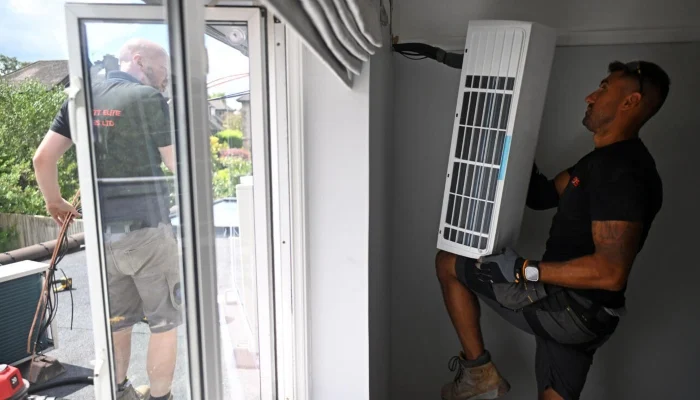
Air conditioning engineer Joe Springett said residential installations now make up an increasing share of his business, replacing what was once predominantly commercial work.
Following the latest heatwave, he reported being fully booked for several weeks and facing supply shortages as more homeowners sought cooling systems.
Retailers have also reported a sharp increase in demand for portable air conditioners, with some models selling out. Home improvement chain B&Q said online searches for portable AC units have doubled compared with the same period last year.
As climate change contributes to hotter and more frequent heatwaves across the UK, the discussion is shifting from whether air conditioning is necessary to how it can be used responsibly. While many households increasingly view AC as essential for comfort and health, experts maintain that improving building design and energy efficiency remains the most sustainable long-term solution.