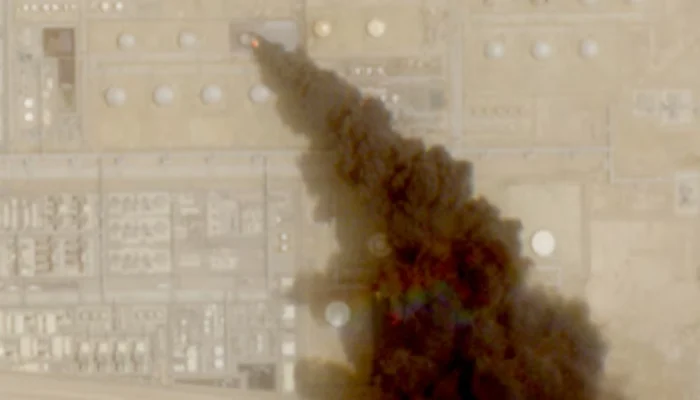
The United States and Saudi Arabia launched coordinated strikes against what they described as Iran-backed groups in eastern Iraq on Wednesday, following drone attacks targeting Saudi oil facilities. The latest military action has intensified concerns over a broader regional conflict.
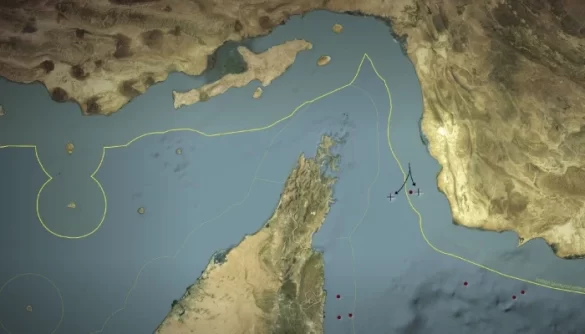
The strikes came as Oman proposed a new diplomatic framework aimed at easing tensions surrounding the Strait of Hormuz, one of the world’s most important energy shipping routes.
US and Saudi Arabia blame Iran-backed groups
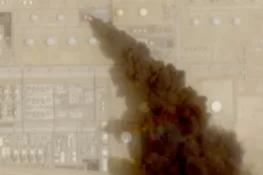
Saudi Arabia said its air defence systems intercepted several drones targeting oil facilities in the kingdom’s Eastern Province.
Saudi officials alleged the drones were launched by Iran-backed militias operating from Iraqi territory.
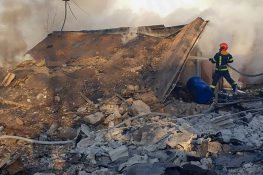
Later, US Central Command (CENTCOM) and the Saudi Ministry of Defence announced that they had struck multiple sites in eastern Iraq, claiming the locations were being used to coordinate drone attacks against Saudi infrastructure.
Saudi Arabia said the operation was defensive in nature and stressed that it was not seeking further escalation.
Iraq condemns the strikes
Iraq’s Popular Mobilisation Forces (PMF) said several of its headquarters were targeted during the attacks.
According to the group, the strikes caused casualties and damaged multiple buildings and facilities.
Iraqi officials warned that the operation represented a “major miscalculation” and could further destabilise the region.
Iran rejects accusations
Iran strongly denied any involvement in attacks launched from Iraqi territory.
An Iranian defence official described attempts to blame Tehran for attacks on US and Saudi interests as a “major miscalculation.”
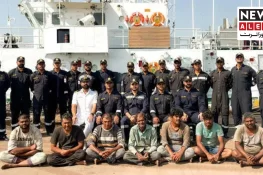
Meanwhile, Iran’s Islamic Revolutionary Guard Corps (IRGC) claimed its naval forces intercepted three oil tankers in the Strait of Hormuz after alleging the vessels ignored safety warnings and followed an “unsafe and illegal route.”
Reuters said it could not independently verify the IRGC’s claims.
Fresh military exchanges
The latest developments follow renewed exchanges between Washington and Tehran after a brief lull in hostilities.
US Central Command stated that American air defence systems intercepted multiple ballistic missiles launched toward US military installations in the region.
Separately, the IRGC claimed responsibility for missile attacks targeting US military positions in Jordan, saying resistance operations would continue as long as American forces remained active against Iranian interests.
Oil prices rise on conflict fears
Global oil prices climbed by more than $3 per barrel after news of the strikes, reflecting market concerns that the conflict could threaten energy supplies from the Middle East.
The Strait of Hormuz remains a critical global shipping route through which roughly one-fifth of the world’s oil and liquefied natural gas normally passes.
Oman proposes Hormuz management plan
Amid the escalating conflict, Oman has reportedly proposed a regional framework for managing navigation through the Strait of Hormuz.
According to sources, the proposal would establish a cooperative system backed by Gulf states in which ships could make voluntary financial contributions to support navigation safety, environmental protection and search-and-rescue operations.
However, a US official reiterated Washington’s position that the Strait of Hormuz is an international waterway and should remain free from restrictions or mandatory transit fees.
Regional tensions remain high
The latest military action underscores the fragile security situation across the Middle East, with diplomatic efforts continuing alongside military confrontations.
As exchanges between Iran, the United States and regional allies continue, concerns remain that further escalation could disrupt global energy markets and regional stability.