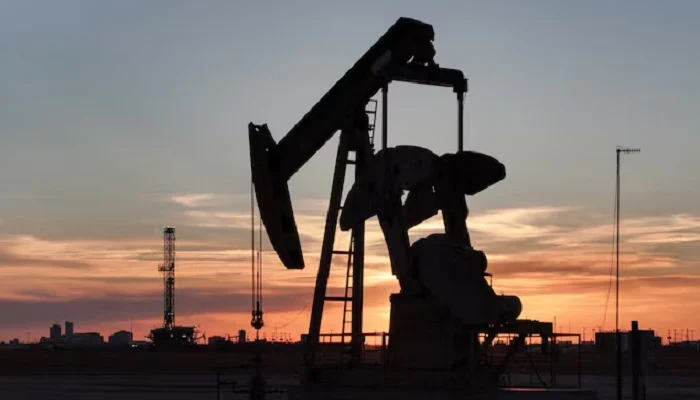
Oil prices held steady above $87 a barrel on Tuesday, following a sharp rise of more than 5% in the previous session as hopes for a US-Iran peace agreement and the reopening of the strategically important Strait of Hormuz weakened.
By 0013 GMT, Brent crude futures were largely unchanged at $87.81 a barrel, while US West Texas Intermediate (WTI) crude futures stood at $82.20 a barrel.
Both benchmarks had gained more than 5% on Monday, reaching their highest levels since July 31.
Trump’s Demands Complicate Peace Efforts
The latest increase in oil prices followed comments by US President Donald Trump, who responded to conditions put forward by Iran for a possible peace agreement with additional demands of his own.
Trump said Iran should provide compensation for people killed during wars, attacks and protests. The demand could make negotiations more difficult and reduce expectations of a quick agreement between Washington and Tehran.
Trump later said that the US had control of the Strait of Hormuz and that American forces had swept parts of the strategically important waterway for Iranian mines.
The comments raised fresh concerns among energy traders about how quickly commercial shipping could return to normal.
“There appears to be a gulf, no pun intended, between the US and Iran over what any agreement would actually look like,” said Tim Waterer, chief market analyst at KCM Trade.
He added that optimism that had supported markets during the previous week was now fading, giving oil prices renewed upward momentum.
Hormuz Shipping Remains Severely Disrupted
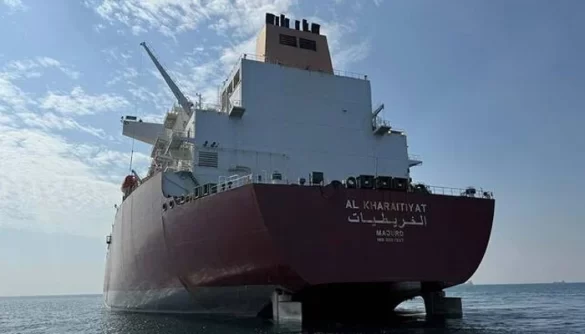
The Strait of Hormuz, located between Iran and Oman, is one of the world’s most important energy shipping routes. A prolonged disruption there can affect the movement of crude oil and petroleum products from the Gulf to international markets.
According to analysts at Barclays, crude oil and refined-product net exports through the waterway averaged around 3 million barrels per day during the week ending August 7.
That was significantly lower than the 4.4 million barrels per day recorded in the previous week.
The decline highlights the continuing impact of restrictions and security concerns on international energy supplies.
Oil Prices Rise as Iran-Oman Hormuz Deal Nears but Reopening Remains Uncertain
Waterer said risks around both the Strait of Hormuz and the Bab el-Mandeb remained significant. Even temporary restrictions or the threat of further attacks can increase insurance costs and force ships to take longer routes.
As a result, energy supplies could remain constrained in the near term.
Jazan Refinery Restart Delayed
Supply concerns were also reinforced by developments in Saudi Arabia.
Saudi Aramco has postponed the restart of its 400,000-barrel-per-day Jazan refinery until August 30 after the Houthis claimed responsibility for two attacks on the facility on Sunday.
The delay adds another layer of uncertainty to regional energy markets at a time when traders are already closely monitoring developments around Gulf shipping routes.
The Jazan facility is located in southwestern Saudi Arabia, near the Red Sea, making developments there relevant to concerns surrounding the wider regional shipping network.
Iraq Raises Basra Crude Selling Price
Elsewhere in the oil market, Iraq increased the September official selling price for Basra Medium crude destined for Asia.
The price was raised by $2.50 to minus $4 a barrel against the average of Oman/Dubai quotations.
The adjustment comes as Asian buyers and global traders continue to assess the impact of disruptions in major Middle Eastern oil-exporting routes.
For now, the direction of oil prices remains closely tied to developments between Washington and Tehran. Any progress toward a peace agreement and the safe reopening of the Strait of Hormuz could ease supply concerns and put downward pressure on crude prices.
Conversely, continued tensions, restrictions on shipping or further attacks on regional energy infrastructure could keep prices elevated and increase volatility across global energy markets.