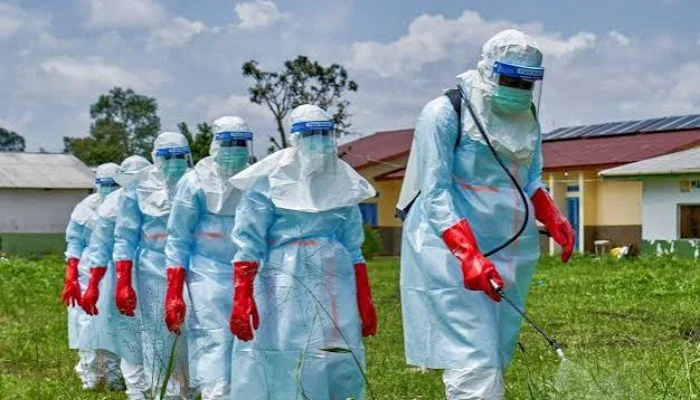
A rapidly growing Ebola outbreak in the Democratic Republic of Congo (DRC) has claimed more than 2,000 lives, raising concerns about whether the deadly virus could eventually spread beyond Africa.
Government figures published Tuesday showed that the outbreak has resulted in 4,831 confirmed cases across five eastern provinces. The death toll has risen sharply in recent weeks, with health authorities warning that the response is struggling to keep pace with the spread of the disease.
Despite the alarming situation, health experts say Americans are unlikely to face widespread transmission in the United States because Ebola does not spread through the air like respiratory viruses such as influenza or COVID-19.
Why is the Congo outbreak spreading so quickly?
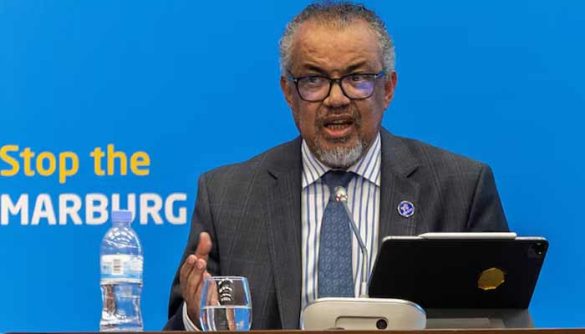
World Health Organization (WHO) Director-General Tedros Adhanom Ghebreyesus has warned that the outbreak has gained significant momentum.
“It has a big head start, still way ahead of us, and we’re playing catch-up,” Tedros told reporters.
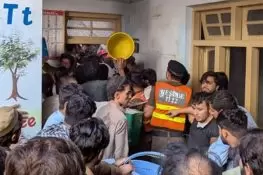
The outbreak is occurring in eastern DRC, a region already facing serious challenges, including armed conflict, weak infrastructure and misinformation.
Health workers have also faced difficulties in continuing the response. In Ituri province, one of the areas at the centre of the outbreak, some healthcare workers reportedly went on strike over unpaid salaries.
These conditions can make it harder for authorities to identify cases quickly, trace contacts and provide patients with appropriate care.
What makes this Ebola outbreak different?
The outbreak reportedly involves the Bundibugyo virus, a strain of Ebola that is genetically different from the Zaire ebolavirus responsible for major previous outbreaks, including the devastating West African epidemic.
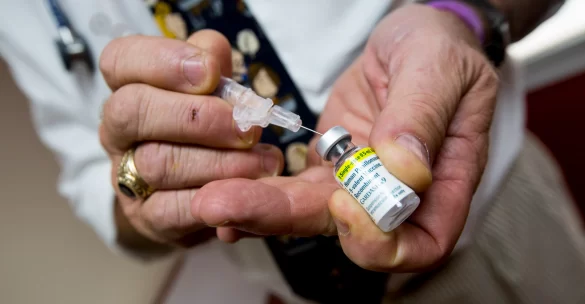
The distinction is important because vaccines and treatments developed specifically for the Zaire strain may not provide the same protection against Bundibugyo virus.
However, the availability and effectiveness of medical countermeasures can change as researchers gather more evidence and public-health agencies respond to an outbreak.
How does Ebola spread?
Ebola is not an airborne virus. It does not normally spread simply because an infected person coughs, sneezes or shares the same air with someone else.
Instead, transmission generally occurs through direct contact with the blood or other bodily fluids of an infected person, particularly when the individual is experiencing symptoms.
Nipah Virus: How It Spreads, What the Symptoms Are, and Why Sindh Is on Alert
People caring for Ebola patients, healthcare workers and family members who come into close contact with infected individuals can therefore face a significantly higher risk.
The virus can also spread through contact with contaminated materials.
Are Americans at risk?
Despite the severity of the outbreak in Congo, health officials stress that the risk of sustained Ebola transmission in the United States remains low.
The US has established public-health systems designed to identify, isolate and manage suspected cases. Travellers arriving from regions affected by outbreaks can also be monitored when necessary.
The biggest concern would arise if an infected traveller entered the United States before being diagnosed and subsequently had close contact with other people. Even then, Ebola’s transmission characteristics mean that widespread community transmission is considerably less likely than with airborne respiratory diseases.
Why health officials remain concerned
While the immediate risk to Americans is considered low, the situation in Congo remains serious. A rapidly growing outbreak can increase the chances of cases being exported to other countries through international travel.
For that reason, health authorities continue to emphasise early detection, contact tracing, infection-control measures and accurate public information.
The experience of previous Ebola outbreaks has shown that delays in identifying cases can make containment significantly more difficult.
For now, experts say there is no indication that Americans should panic, but the worsening situation in the DRC remains a major international public-health concern.