Qatar’s prime minister is set to visit Tehran as Doha seeks to revive diplomatic efforts between the United States and Iran, with tensions remaining high over sanctions, regional security and the strategic Strait of Hormuz.
Qatar Steps Up Mediation Efforts
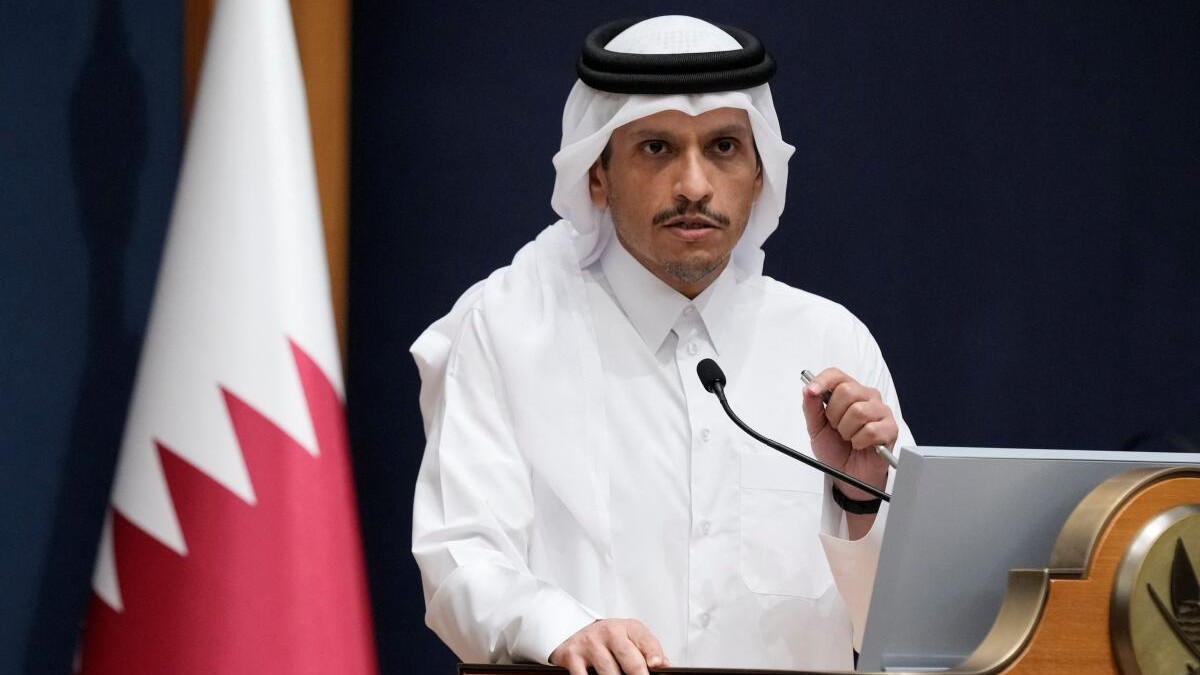
Qatar’s Prime Minister and Foreign Minister Sheikh Mohammed bin Abdulrahman Al-Thani is scheduled to visit Tehran on Thursday, August 27, in an effort to restart diplomatic engagement between Washington and Tehran.
Qatar, which maintains close relations with both Iran and the United States, has increasingly acted as a mediator between the two sides. Doha played a direct role in helping secure a ceasefire in June that temporarily halted hostilities between Iran and its opponents.
However, despite the reduction in fighting, a lasting diplomatic agreement has yet to emerge. The latest tensions have intensified after Washington signalled that it intends to increase economic pressure on Iran by targeting countries and companies that continue to trade with Tehran.
During his visit, Sheikh Mohammed is expected to discuss Qatar’s mediation efforts, developments across the region and possible measures to reduce tensions. Iranian Foreign Ministry spokesperson Esmaeil Baghaei confirmed that regional developments and the continuation of Qatar’s mediation would be among the issues discussed.
Strait of Hormuz Remains Major Dispute
One of the most difficult issues facing the negotiations is the future of the Strait of Hormuz, a vital international waterway between Iran and Oman.
The strait is one of the world’s most important energy chokepoints. Before the war began on February 28, around 20 million barrels of crude oil per day passed through the waterway, according to the report. Since the conflict began, however, oil shipments have dropped sharply.
The latest ship-tracking data showed that only about 5 million barrels per day passed through the strait on Monday, marking a three-month low.
Qatar has said Sheikh Mohammed will discuss freedom of navigation and the possibility of restoring the situation that existed before February 28. Doha is also expected to explore ways to create conditions that could allow broader diplomatic talks to resume.
Trump Approval Remains at 33% as US Support for Iran War Declines
Iran and Oman Continue Talks
Iran and Oman have been holding discussions for several weeks over arrangements concerning traffic through the Strait of Hormuz and the distribution of related revenues.
On Wednesday, a spokesperson for Iran’s Islamic Revolutionary Guard Corps said Tehran and Muscat had reached mutually acceptable results regarding control of the waterway and its revenues. However, a senior Iranian source later told Reuters that an agreement had not yet been finalised and that negotiations were continuing over its details.
The conflicting statements highlight the uncertainty surrounding the future of the strait.
Iran has maintained that the waterway will remain closed unless the United States fulfils conditions included in an interim ceasefire memorandum signed in June. Those demands reportedly include an end to the US blockade of Iranian ports, compensation and the removal of sanctions.
Regional Security Adds to Diplomatic Pressure
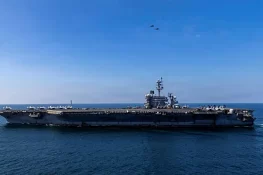
Although fighting has largely subsided, the security situation remains fragile. The US military’s Central Command has not reported attacks on Iran for nearly a month, while Washington appears to be relying increasingly on economic sanctions rather than direct military action.
Iran still retains missile and drone capabilities despite suffering heavy losses to its conventional military forces during earlier aerial attacks. Tehran could potentially use those capabilities against Gulf states hosting US military facilities or against shipping in and around the Strait of Hormuz.
The International Maritime Organization has reported 70 incidents in the Strait since February 28, resulting in the deaths of 19 seafarers.
Against this backdrop, Qatar’s diplomatic initiative carries significant importance. Doha is attempting to bridge differences between Washington and Tehran while also addressing concerns over maritime navigation and regional stability.
Whether Sheikh Mohammed’s visit can lead to renewed negotiations remains uncertain. Nevertheless, Qatar’s role as a channel of communication could provide both sides with an opportunity to reduce tensions and explore a broader diplomatic settlement.