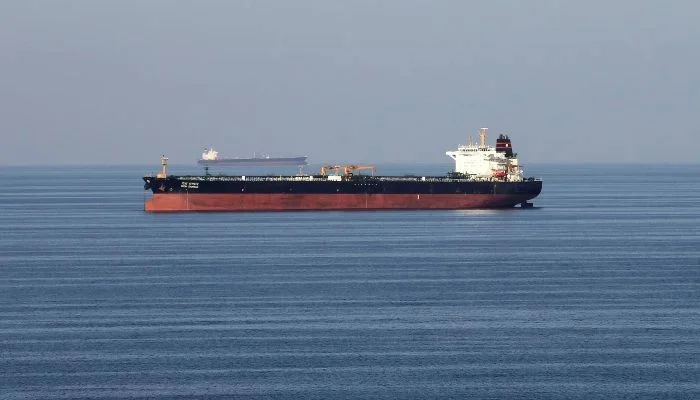
ISLAMABAD: Escalating tensions in the Middle East and disruptions affecting energy flows through the Strait of Hormuz have significantly increased the cost of fuel imports for Pakistan, adding to pressure on the country’s foreign exchange position and domestic prices.
Official trade data show that Pakistan’s petroleum import bill increased substantially between March and July 2026. The country imported petroleum products worth around $983 million in March, with the monthly bill climbing to approximately $1.28 billion in July. The bill was considerably higher in the intervening months, reaching nearly $1.91 billion in June.
According to data reported by The News, Pakistan’s petroleum-group imports during the five-month period from March to July stood at roughly $7.7-$7.9 billion, compared with around $6.6 billion during the same period a year earlier. This represents an increase of approximately $1.3 billion, or nearly 20%.
April and June see sharp increases
The most significant year-on-year jump was recorded in April, when Pakistan’s petroleum import bill rose to approximately $1.79 billion, compared with $1.35 billion in April 2025.
The import bill remained elevated in May before reaching nearly $1.91 billion in June, marking an increase of about 46% from the same month a year earlier.
The situation eased somewhat in July, when the petroleum-group import bill fell to around $1.28 billion. However, the decline from June did not offset the sharp increase recorded over the broader March-July period.
The higher energy bill has also been accompanied by increased LNG costs. Pakistan’s petroleum-group imports in June included approximately $221.5 million worth of LNG, adding to the foreign exchange required to meet the country’s energy needs.
Hormuz disruption raises wider energy costs
The Strait of Hormuz is one of the world’s most important energy transit routes. Any disruption to shipping through the waterway can affect not only the price of crude oil and LNG but also transportation-related costs.
Higher freight charges, marine insurance premiums and security costs can increase the final landed price of imported energy, meaning countries may face a larger import bill even when the physical volume of cargoes remains relatively stable.
Pakistan entered the latest period of pressure after its petroleum-group import bill had already reached approximately $16.86 billion in FY2025-26, representing a 5.76% increase from the previous year. Crude oil imports during the fiscal year rose by more than 31%.
Global energy bill rises by $330 billion
The impact has extended far beyond Pakistan and South Asia.
According to estimates from Finland-based climate think tank Centre for Research on Energy and Clean Air (CREA), the conflict involving the United States, Israel and Iran increased the global oil and gas import bill by as much as $330 billion between March and August 2026.
Europe recorded the largest additional burden at around $78 billion, followed by China at $35 billion and India at $22 billion.
The figures underline how disruptions in a strategically important energy corridor can quickly translate into higher costs for major energy-importing economies.
Oil Prices Tumble as Hormuz Reopening Hopes Grow
India faces major increase in crude costs
India has experienced an even larger increase in absolute terms because of its substantial crude oil requirements.
India’s crude oil import bill rose 56.5% to $63.4 billion between April and July 2026, despite relatively stable import volumes. The increase was primarily driven by higher average crude prices.
The average price of imported crude reached approximately $114.48 per barrel in April, compared with $67.70 a year earlier. India’s oil import bill stood at around $13.7 billion in July alone, approximately 41% higher than the same month in the previous year.
India imports roughly 88% of its crude oil requirements, making its economy particularly sensitive to fluctuations in international oil prices and disruptions to Middle Eastern supply routes.
The increase in crude prices has also put additional pressure on India’s merchandise trade balance because oil represents one of the country’s largest import categories.
Bangladesh also hit by higher LNG and fuel costs
Bangladesh has faced a similar energy shock. Data from Bangladesh Bank show that petroleum-product imports more than doubled to $10.64 billion in FY2025-26, compared with $5.14 billion a year earlier.
Crude petroleum imports increased by 92%, while imports of petroleum, oil and lubricant products rose by 109%.
The disruption also increased Bangladesh’s LNG costs. Petrobangla had to rely more heavily on spot-market purchases to replace planned long-term supplies. Of the 37 LNG cargoes scheduled between March and June, 25 were sourced from the spot market, at prices ranging from $20 to $28 per MMBtu.
CREA estimates that Asian LNG prices averaged 75% above pre-war expectations between March and August 2026. Bangladesh purchased 11 LNG cargoes for March-May at an average price of $21.35 per MMBtu, with the purchases costing approximately $880 million.
Pakistan faces inflation and forex pressures
For Pakistan, the additional $1.3 billion spent on petroleum imports between March and July represents a significant foreign exchange burden.
The impact could extend beyond the import bill itself. More expensive fuel can increase transportation costs, raise electricity generation expenses and add to the operating costs of industries and businesses. These higher costs can eventually filter through to consumer prices and contribute to inflationary pressure.
For South Asian economies, therefore, the consequences of the Middle East conflict are not limited to geopolitical or security concerns. The disruption of energy supplies is also affecting foreign exchange reserves, import bills, trade balances and inflation, making the stability of global energy markets increasingly important for the region’s economic outlook.