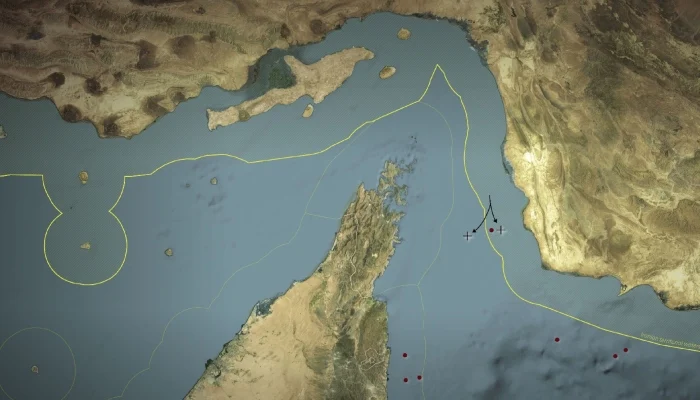
Iran has presented seven conditions to the United States through intermediaries for the reopening of the Strait of Hormuz, making it clear that the strategic waterway will not be reopened under an agreement with Oman unless Washington agrees to Tehran’s demands.
Details of the conditions have been obtained by Geo News, although Iran has not officially published the list.
A senior Iranian Foreign Ministry official, speaking on condition of anonymity, said the demands could be understood from the negotiations held between the two sides in recent months.
Iran’s seven conditions
According to the details, Tehran has demanded the following measures from Washington:
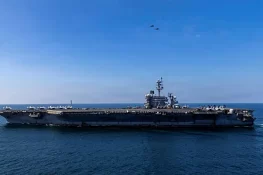
- The United States must lift the maritime blockade imposed on Iran.
- Iran’s frozen assets must be restored.
- Sanctions on Iranian oil exports must be lifted.
- All US actions being carried out under the pretext of threats and military operations must be halted.
- The war and military aggression against Iran and its regional allies must end.
- US military forces must withdraw from areas surrounding Iran’s borders.
- The United States must compensate Iran for the damage caused and commit to not interfering with Iran’s nuclear and missile capabilities.
The demands come as Iran prepares to host a key meeting in Muscat on Monday, with representatives from Iraq and Gulf countries also expected to participate.
CENTCOM Says 660 Million Barrels of Oil Moved Through Strait of Hormuz Since May
Oman agreement focuses on navigation
According to sources, Iraq and the Gulf states will not be direct parties to the agreement between Iran and Oman.
Their participation is intended to brief them on the proposed navigation route and transit arrangements, while their presence could also provide broader diplomatic significance to the agreement.
Iranian media reports suggest that under the arrangement reached between Tehran and Muscat, the entry route into the Persian Gulf would pass entirely through Iranian territorial waters.
The exit route from the Persian Gulf, meanwhile, would pass partly through Iranian waters, with transit operations conducted under arrangements established by Iran.
Strait of Hormuz remains key to global trade
The proposed arrangement comes amid heightened tensions surrounding the Strait of Hormuz, one of the world’s most important energy transit routes.
The waterway connects the Persian Gulf with the Gulf of Oman and is a major route for oil and other energy shipments from Gulf producers to international markets.
According to the reported terms, signing the document would effectively close the southern route whose reopening the United States has been demanding.
The latest developments suggest that navigation through the strait remains closely tied to wider diplomatic negotiations between Iran and the United States, with Tehran seeking major concessions before agreeing to restore broader maritime access.