Oil prices climbed more than 2% on Monday, with Brent crude rising above $107 a barrel, as new attacks in the Gulf and the closure of a major Saudi oil pipeline heightened concerns about global supplies.
Brent crude futures rose $2.90, or 2.77%, to $107.51 per barrel by 2313 GMT, while US West Texas Intermediate (WTI) futures gained $2.27, or 2.27%, to $102.32 a barrel. Prices had initially jumped more than 3% after markets opened.
The latest increase followed new Houthi strikes on Saudi Arabia and attacks on vessels in the Gulf, adding to supply concerns created by the shutdown of Saudi Arabia’s East-West oil pipeline.
Saudi pipeline shutdown raises supply concerns
Saudi state media on Sunday released footage showing damage to homes and a mosque in the southern Jazan province following what it described as a Houthi attack.
The Houthis said they had also targeted a Saudi military base in a neighbouring province.
The East-West pipeline, which allows Saudi Arabia to transport crude while bypassing the Strait of Hormuz, was shut on Friday after a drone strike reportedly originating in Iraq.
The pipeline’s closure threatens up to 4% of global oil supplies, increasing pressure on international markets at a time when several key shipping routes are already facing disruption.
Shipping routes face fresh attacks
Concerns have also grown around the Strait of Hormuz, a crucial route for global energy shipments.
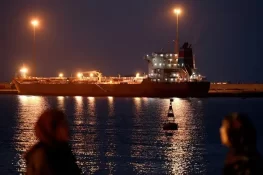
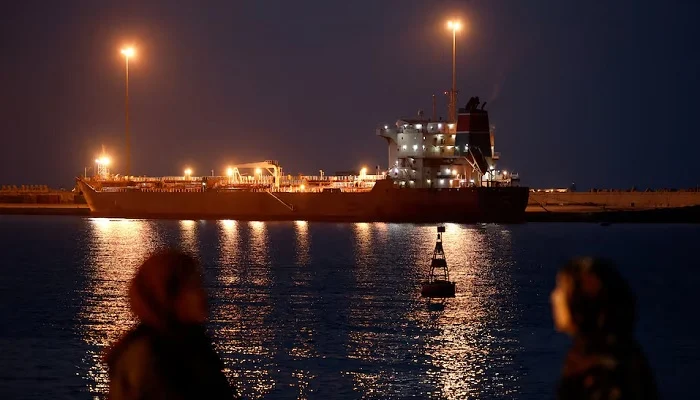
The UK Maritime Trade Operations agency said a vessel in the strait was struck by a projectile on Sunday, causing a fire and forcing its crew to evacuate.
Iran separately said one person was killed and four crew members were injured after an Iranian commercial vessel was struck off its coast.
Another major concern is the Bab el-Mandeb Strait, where Yemen’s Iran-aligned Houthis reached the strategic island of Perim on Friday.
The development could allow the Houthis to strengthen their control over another important maritime chokepoint. The Bab el-Mandeb has carried an estimated 4% to 5% of global oil supplies in recent months.
The disruptions helped push oil prices up around 8% over the past week, taking crude above $100 a barrel for the first time since July.
Oil Prices Near $97 as US-Iran Attacks Raise Fears of Prolonged Supply Disruptions
Oman meeting postponed
Market participants had been closely watching a planned meeting in Oman between Iran and Gulf countries over navigation through the Strait of Hormuz.
However, Omani Foreign Minister Badr Albusaidi said on Sunday that the meeting scheduled for Monday had been postponed.
The postponement adds uncertainty to efforts aimed at securing workable arrangements for maritime traffic through the strategic waterway.
“Looking ahead, unless this week’s talks in Oman produce something operational, or the East-West pipeline is brought back online quickly, the risk is that crude oil continues to extend its gains towards the $119.48 high of early March,” IG market analyst Tony Sycamore said in a note.
Oil markets remain vulnerable
The latest developments have left oil markets highly sensitive to any further disruption affecting production, pipelines or shipping routes.
The conflict, which began six months ago with US and Israeli military action against Iran, has also disrupted maritime traffic and increased uncertainty over the movement of energy supplies.
No formal peace talks have been held since an interim agreement reached in June collapsed after several weeks.
Analysts warn that oil prices could continue rising if the Saudi pipeline remains offline or if diplomatic efforts fail to produce an arrangement capable of restoring reliable shipping through the region’s key maritime routes.