ISLAMABAD: Doctors in Pakistan prescribe more than twice the number of medicines recommended by the World Health Organisation (WHO), while the use of generic names remains significantly below international standards, according to a new study.
Researchers at the Health Services Academy (HSA), Islamabad, reviewed 15 studies examining prescribing practices at hospitals and healthcare facilities across Punjab, Khyber Pakhtunkhwa, Sindh, Balochistan and Islamabad.
Published in Discover Public Health, the review covered research conducted between 2013 and 2024 and assessed whether prescribing practices in Pakistan were consistent with WHO recommendations.
Patients receive more medicines than recommended
The study found that patients were prescribed an average of 4.2 medicines per prescription, compared with the WHO-recommended range of 1.6 to 1.8 medicines.
The highest average was recorded at a tertiary care hospital in Peshawar, where patients received 10.56 medicines per prescription, nearly six times the WHO recommendation.
Even the lowest figure identified in the reviewed studies, recorded at an emergency department in Bahawalpur, exceeded the WHO limit.
The researchers also found that only around 25% of medicines were prescribed using their generic names, compared with the WHO target of 100%. In some hospitals, generic prescribing was almost non-existent, while only two of the 15 studies reported generic prescribing above 50%.
Antibiotic use remains a concern
Antibiotics were included in an average of 45% of prescriptions, significantly higher than the WHO-recommended range of 20% to 26.8%.
Injections were prescribed in more than 27% of cases, also exceeding the WHO recommended range of 13.4% to 24.1%. However, the use of injections varied widely between facilities, ranging from zero to as high as 98%.
The study also found that only 72% of prescribed medicines were included in Pakistan’s essential medicines list, despite the ideal target being 100%.
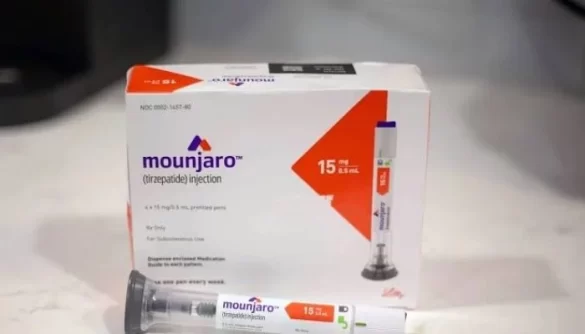
FDA Approves Lilly’s Mounjaro to Reduce Cardiovascular Risk in Type 2 Diabetes
Prof Shahzad Ali Khan, Vice Chancellor of the Health Services Academy and one of the study’s authors, said the problem was widespread and not limited to a particular hospital or region.
“This is not the problem of one hospital or one city. It is happening across the country, at every level of healthcare,” he said.
According to Prof Khan, antibiotics and injections are sometimes prescribed without adequate testing because patients believe they provide faster relief. Doctors may also face pressure from patients and time constraints during consultations.
Generic medicines and weak enforcement
Prof Khan said the low use of generic medicines was partly linked to pharmaceutical marketing and the perception among some doctors and patients that generic medicines are less effective than branded products.
He said there was no proven difference in quality when medicines met the required standards.
The findings come amid growing concern over antibiotic misuse and antimicrobial resistance in Pakistan. Federal health authorities have warned that antimicrobial resistance could cause more than 262,000 deaths in Pakistan over the next 25 years.
The Drug Regulatory Authority of Pakistan has previously directed that antibiotics should only be sold against prescriptions from registered doctors. The move followed data showing that antibiotics worth Rs135 billion were consumed in a single year, with an estimated 70% to 80% being used for illnesses that did not require such medicines.
Prof Khan said Pakistan already had prescribing guidelines, but enforcement remained a major weakness.
“The problem is not a lack of policy. The problem is that the policy is never followed on the ground,” he said.
The study recommends regular monitoring of prescribing practices, feedback for doctors and action against repeated violations. It also calls for greater cooperation among the government, pharmaceutical industry, hospitals and medical associations to promote rational use of medicines and help curb antibiotic resistance.