RIYADH: Saudi Arabia is facing growing pressure on its oil export routes as Yemen’s Iran-aligned Houthis intensify attacks and consolidate their positions along the Red Sea coast, while diplomatic efforts to reopen the Strait of Hormuz remain stalled.
The Houthis launched a new wave of attacks on Saudi Arabia on Monday, while Yemeni officials said the group was strengthening its positions along the western coast of Yemen amid urgent discussions in Riyadh over how to respond to its rapid advance.
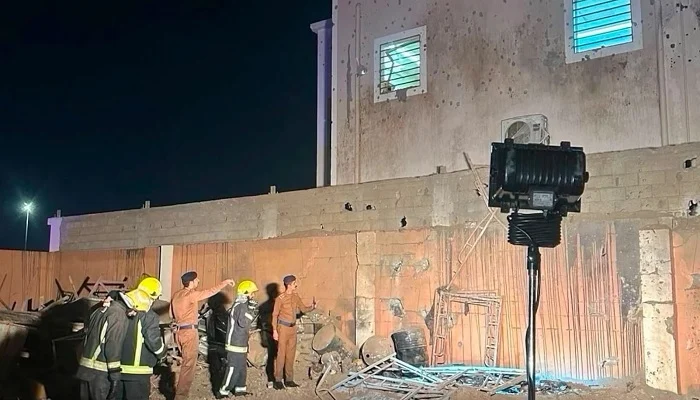
The Houthis said they fired dozens of missiles and drones at a military airbase in Khamis Mushait in southern Saudi Arabia, targeting aircraft hangars, radar systems, runways and ammunition depots in retaliation for Saudi airstrikes in Yemen.
Saudi authorities issued emergency alerts in Khamis Mushait and three other southern cities. The Saudi-led coalition in Yemen said 13 civilians were wounded in the Houthi attacks.
Saudi oil pipeline remains offline
The Houthi advances, including the reported capture of Perim Island at the mouth of the Red Sea, have added to concerns over Saudi Arabia’s ability to move oil to global markets.
An aerial attack on Thursday knocked Saudi Arabia’s 1,200-kilometre East-West pipeline offline. Riyadh blamed the attack on Iranian-backed militias in Iraq.
The pipeline was built in the 1980s to transport Saudi oil from the Gulf to the Red Sea, providing an alternative route when the Strait of Hormuz came under threat during the Iran-Iraq war.
Traders said a prolonged shutdown could affect as much as 4% of global oil supply while the Strait of Hormuz remains largely blocked. Saudi Arabia has not said when the pipeline will resume operations.
Saudi and Yemeni air forces have intensified strikes against Houthi targets, including areas around the historic Red Sea port of Mocha. However, officials from Yemen’s internationally recognised government said the Houthis continue to maintain effective control over most of the country’s western coastline.
“The Houthis are being put under heavy pressure. They in turn are putting more and more pressure on the Saudis,” one Yemeni official told Reuters.
Oil prices rose more than 4% on Monday before settling around 1% higher.
US reluctant to intervene directly
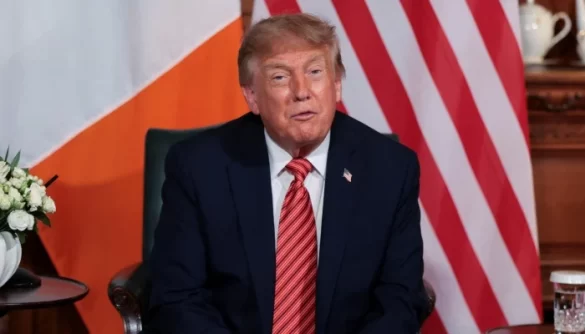
The renewed fighting presents another challenge for US President Donald Trump, with Washington so far resisting Saudi requests for direct military intervention beyond intelligence support, according to three sources cited by Reuters.
Trump said he had spoken with Saudi Crown Prince Mohammed bin Salman and that the Houthis had also contacted Washington, urging it to stay out of the conflict.
Saudi state media reported that Crown Prince Mohammed met US regional commander Admiral Brad Cooper in Jeddah on Monday.
Saudi Arabia has led a coalition fighting the Houthis since 2015, although the conflict had largely eased following a ceasefire in recent years. Fighting resumed this month as the Houthis advanced against forces supporting Yemen’s internationally recognised government.
Yemen’s Houthis reach strategic island at mouth of vital shipping lane
Hormuz negotiations postponed
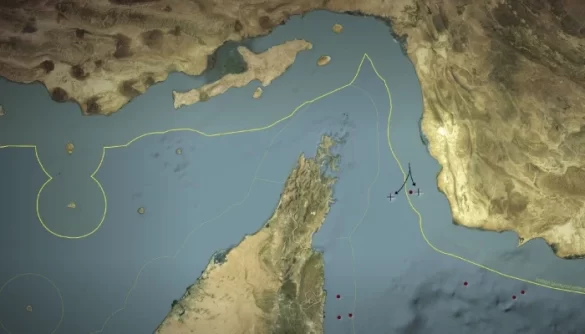
Diplomatic efforts to ease tensions also suffered a setback after Oman postponed a planned meeting between Iran and Gulf Arab states on negotiations aimed at reopening the Strait of Hormuz.
The waterway normally handles about 20% of global oil exports but has been largely shut since the war began on February 28.
Iran said the meeting was postponed at Saudi Arabia’s request. Trump again said Iran was eager to reach a deal, but Mohsen Rezaei, secretary of Iran’s Supreme National Security Council, rejected the message, saying negotiations would not begin until Iran’s conditions were met.
Meanwhile, conflicting accounts emerged over damage to the oil tanker El Gaia. Iran’s Revolutionary Guard said the Panama-flagged vessel was struck by sea mines south of the Strait of Hormuz, while the US Central Command said it was hit by an Iranian missile last month and rendered inoperable.
The International Maritime Organisation said El Gaia was damaged on Saturday and that two seafarers were missing, but did not specify the cause.
The Revolutionary Guards said the Strait of Hormuz remained closed and under their control, underscoring the continued risks facing one of the world’s most important oil shipping routes.