PESHAWAR: Pakistan Tehreek-e-Insaf (PTI) has opposed a reported federal government proposal to impose an emergency in 12 districts of Khyber-Pakhtunkhwa (K-P), warning that the move would violate the 18th Constitutional Amendment and further deepen the country’s political crisis.
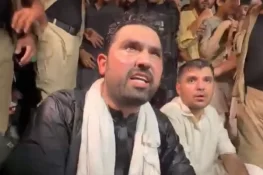
PTI K-P spokesperson Shaukat Yousafzai said the proposed arrangement, which reportedly involves transferring administrative and police powers to the federal government, would undermine provincial autonomy.
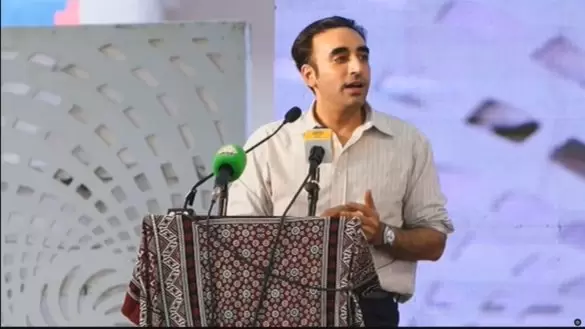
In a video statement, Yousafzai said the Pakistan Peoples Party (PPP), which has historically taken credit for the 18th Amendment, should also oppose any measure that could weaken the constitutional powers of the provinces.
The criticism comes amid reports that the federal government has completed preparations for emergency measures in selected districts because of the deteriorating security situation. However, no final decision has been officially announced.
PTI calls for political negotiations
Yousafzai rejected the suggestion that emergency rule or governor’s rule would resolve the situation, arguing that Pakistan needed political stability and dialogue rather than confrontation.
He said PTI had never obstructed efforts to combat terrorism and had consistently supported state institutions. However, he stressed that all political stakeholders should be consulted before any major decision was taken.
According to Yousafzai, an all-parties conference had already produced a 15-point declaration that was forwarded to the federal government. He said implementing the declaration could help resolve the dispute.
The PTI spokesperson urged the government to abandon what he described as stubbornness and return to the negotiating table.
He also said the party was not making illegal or unconstitutional demands. Its demands included implementing High Court and Supreme Court decisions, easing restrictions on meetings with jailed PTI founder Imran Khan, transferring him to a hospital and ensuring progress in his legal cases.
Yousafzai further called for relief and release for Imran Khan’s sisters and wife, while expressing concern over the arrests of provincial ministers, lawmakers and party workers in K-P.
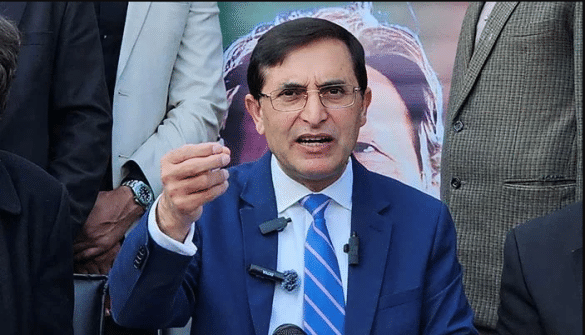
Responding to PPP Chairman Bilawal Bhutto-Zardari’s criticism of PTI’s confrontational politics, Yousafzai questioned whether demanding political rights and access to the party’s founder could be described as extremism.
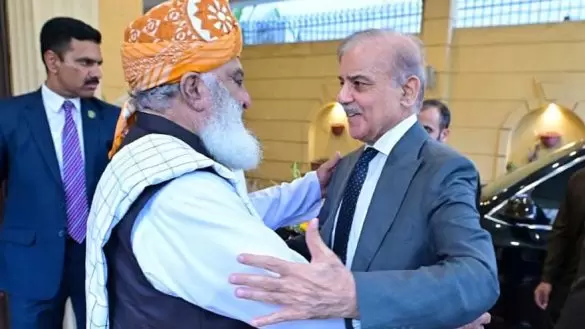
He blamed what he called threatening statements by federal ministers for worsening the political environment and welcomed reports that JUI-F chief Maulana Fazlur Rehman was considering a mediating role.
Federal government weighs emergency measures
According to sources cited in reports, a high-level meeting involving the president, prime minister and senior military officials was expected to review the security situation and consider options, including an emergency or governor’s rule.
Under the reported proposal, an emergency would initially cover 12 districts: eight merged tribal districts and four settled districts.
The eight merged districts are Khyber, Kurram, Orakzai, Bajaur, Mohmand, North Waziristan, South Waziristan and Lower Waziristan. The four settled districts are Dera Ismail Khan, Tank, Bannu and Lakki Marwat.
Sources said the proposed arrangement could remain in place for two months before being reviewed, with the possibility of an extension depending on the situation.
The plan reportedly envisages a separate secretariat headed by a Grade 21 secretary, alongside a Grade 21 police officer. Four to six additional administrative officers would oversee areas including administration, finance, development and planning.
Under the reported structure, deputy commissioners and district police officers in the affected districts would report to the secretariat, along with the additional inspector general of police. The officers would be appointed by the federal government, according to the sources.
The sources also said constitutional provisions under Articles 232 to 234 could be examined. These provisions address different forms of emergency and constitutional intervention, although the legal requirements and implications of a provincial emergency and governor’s rule are distinct.
The proposal remains subject to constitutional and legal considerations, and the reported arrangements have not been confirmed as a final government decision.
PTI Long March Reaches CM Sohail Afridi’s Hometown in Khyber
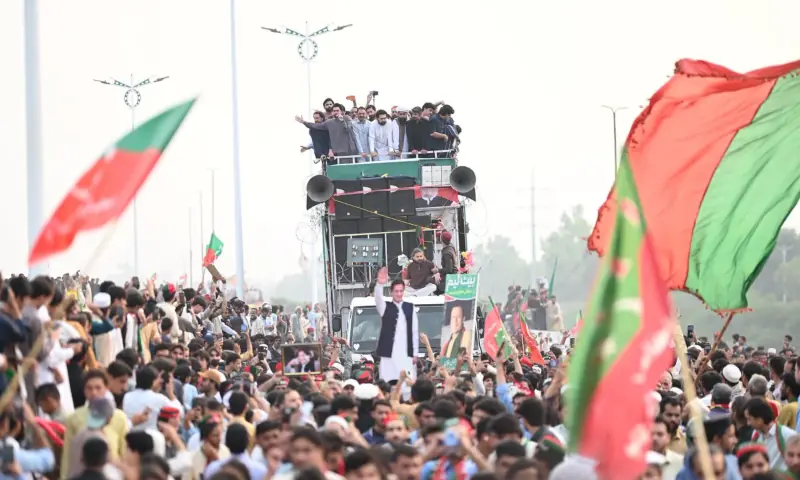
PTI long march enters seventh day
Meanwhile, K-P Information Minister Shafi Jan said the long march led by Chief Minister Sohail Afridi was proceeding peacefully and was scheduled to travel from Charsadda to Mardan.
Jan said Afridi would address party workers and members of the public at various locations, while participants from Charsadda, Mardan and surrounding areas were expected to join the procession. The marchers were scheduled to spend the night in Mardan.
The provincial minister claimed that public participation had unsettled the federal government and accused federal ministers of making repeated statements out of fear of the protest.
PTI has maintained that the march is intended to press its political demands and challenge what it describes as the denial of its mandate.
The protest has continued despite the collapse of negotiations between the government and opposition. Talks held over two days initially appeared to make progress, but the sides failed to reach agreement on key issues, including security policy in K-P and PTI’s demand for access to Imran Khan.
The government blamed the provincial administration and Chief Minister Afridi for the breakdown, while PTI said the refusal to facilitate a meeting with its founder was a central obstacle.
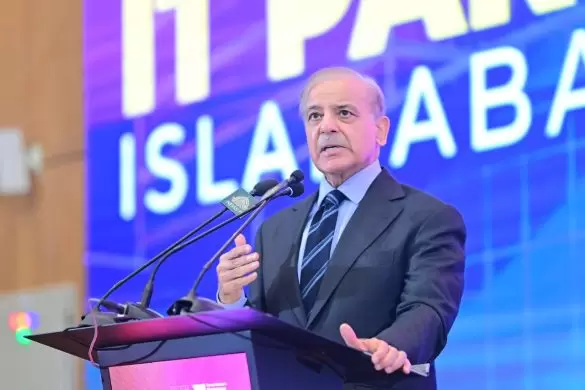
Prime Minister Shehbaz Sharif subsequently offered to resume dialogue if PTI ended its march and sit-ins. The party rejected the offer as its convoy continued moving through K-P.
Governor’s rule remains a source of tension
The possibility of governor’s rule has been a recurring point of disagreement between the federal and provincial governments.
On September 21, Interior Minister Mohsin Naqvi said the government was consulting the Law Ministry on possible legal options for K-P, including governor’s rule, if PTI proceeded with its long march.
Two days later, Information Minister Atta Tarar said the federal government had no intention of removing the PTI administration. Other federal ministers, however, subsequently referred to constitutional and legal options for intervention.
Chief Minister Afridi rejected the warnings, saying he would not retreat because of threats of governor’s rule or an emergency. He also warned that PTI supporters could take to the streets if an attempt was made to remove him.
With the long march continuing and negotiations stalled, the reported proposal for emergency measures has added another layer of uncertainty to the political situation. PTI is calling for dialogue and consultation, while the federal government has cited the deteriorating security environment as a concern.
Whether the two sides can resume negotiations remains unclear, but any move affecting provincial powers is likely to intensify the debate over constitutional authority, security policy and political stability in Khyber-Pakhtunkhwa.