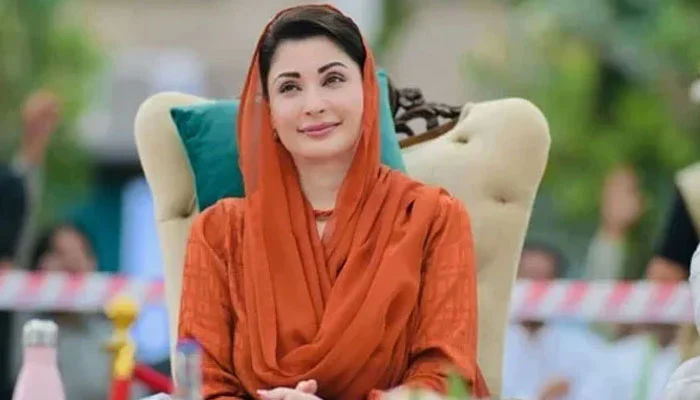
LAHORE: Punjab Chief Minister Maryam Nawaz Sharif has outlined plans to establish the province as a regional livestock hub, with the government seeking to expand exports, increase investment in meat processing and connect farmers directly with domestic and international buyers.
According to a government statement, Punjab’s livestock exports have increased by 43%, while 400,000 animals have been prepared for export over a year. Farmers are expected to earn Rs11 billion through the export-related activity.
Maryam Nawaz said the government aimed to connect livestock farmers with national exporters and international online platforms to improve market access and create new income opportunities for rural communities.
Livestock Card scheme supports farmers
Under the provincial government’s Livestock Card scheme, farmers are receiving Rs27,000 per animal to help cover feed and fodder expenses.
According to the statement, 129,581 animals raised under the scheme have been exported.
The initiative is intended to support livestock fattening, reduce the financial burden on farmers and improve the supply of animals for export markets.
The government has also reported an increase in the number of rural women registered under the Livestock Card scheme, although the statement did not provide a specific registration figure.
Five meat-processing plants planned
Punjab plans to establish five meat-processing plants and five slaughterhouses as part of its broader strategy to strengthen the livestock export sector.
The proposed infrastructure will also include packing facilities and commercial and corporate feedlots to support the production, processing and export of meat.
The provincial government plans to provide Rs19 billion in financing subsidies for investments across the integrated livestock value chain.
In addition, private investment of Rs65 billion is expected in the meat value chain, according to the statement.
These investments are intended to improve processing capacity and help Punjab meet the requirements of domestic and international markets.
Rs28 billion investment planned for FMD vaccine production
The government also plans to establish Punjab’s first foot-and-mouth disease (FMD) vaccine production unit through a public-private partnership.
The project is expected to attract private investment of Rs28 billion.
Foot-and-mouth disease is a highly contagious viral disease affecting cloven-hoofed animals, including cattle, buffaloes, sheep and goats. Strengthening vaccination capacity could help improve animal health and support the livestock sector’s efforts to meet export-related health requirements.
The proposed facility forms part of the government’s wider plans to strengthen veterinary infrastructure and support the long-term expansion of livestock exports.
Maryam Nawaz’s Apni Chhat Apna Ghar programme receives international recognition
District-wise livestock exports
The government statement provided the following figures for animals prepared for export from different districts and regions of Punjab:
- Lahore: 20,000 animals
- Bahawalpur: 24,297 animals
- Faisalabad: 12,529 animals
- Gujranwala and Gujrat: 21,000 animals combined
- Multan: 27,000 animals
- Sargodha: 22,000 animals
- Sahiwal: 2,661 animals
The figures highlight the participation of multiple districts in the province’s livestock export programme.
Livestock Connect links farms with exporters
Under the Livestock Connect system, the provincial government has established direct links with 1,725 fattening farms, 20 export slaughterhouses, 88 meat exporters and 34 traders.
The system is intended to strengthen coordination between livestock producers and businesses involved in the export supply chain.
By connecting farmers with exporters and traders, the government hopes to improve market access, streamline supply arrangements and expand opportunities for livestock producers.
Punjab aims to expand its livestock export market
The provincial government’s plans combine financial support for farmers with investment in processing facilities, animal health infrastructure and export networks.
The proposed subsidies and private-sector investments are expected to support expansion across the livestock value chain, from animal rearing and fattening to processing and international marketing.
However, the long-term success of the initiative will depend on the implementation of the planned projects, the availability of investment and Punjab’s ability to meet international standards for animal health, food safety and meat processing.
The government aims to build on the reported growth in exports and establish Punjab as a major regional supplier of livestock and meat products.