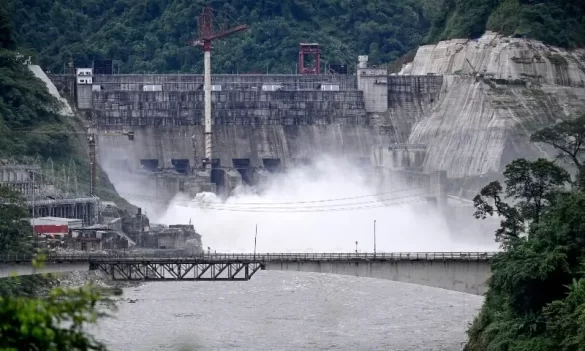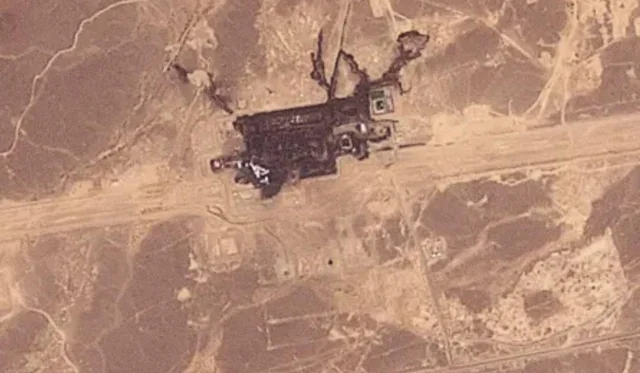
The Houthis said on Monday that they had targeted Saudi oil infrastructure and the airport in Riyadh. The claims came as Saudi Arabia continued intercepting missiles and drones launched towards its territory.
The Saudi-led coalition in Yemen said earlier that it had destroyed two ballistic missile launchers in Sanaa, including one it said had been used to fire a missile towards Riyadh. According to the coalition, the missile was intercepted.
Riyadh Airport Partially Resumes Operations
Saudi Arabia announced that operations had resumed at two terminals of King Khalid International Airport on Sunday, despite fresh threats from the Houthis.
The airport had suspended operations on October 10 following an attack claimed by the group. The supplied report said the incident killed 13 people, making it the deadliest attack in the kingdom in more than a decade.
Late on Saturday, airport authorities announced that Terminal 1 would handle domestic flights, while Terminal 2 would serve international flights operated by Saudi national carriers.
However, flight-tracking data from Flightradar24 showed limited traffic at the airport on Sunday, despite the announcement.
Houthi military spokesperson Yahya Saree warned that the airport would “never be safe” and urged airlines, airport employees and travellers not to use the facility. The group described the airport as a military target.
The Saudi-led coalition had previously said the Houthis carried out 20 attacks targeting the airport between October 1 and 11.
Saudi Arabia Reports Missile and Drone Interceptions
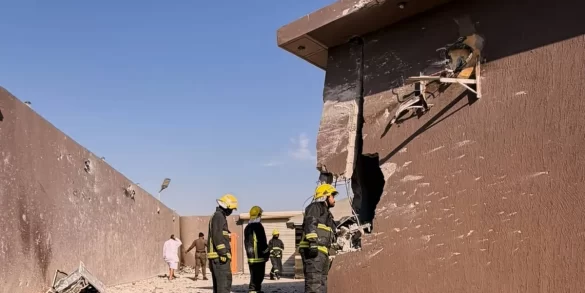
Saudi Civil Defence said on Sunday that debris from the interception of two ballistic missiles over Khamis Mushait and Ahad Rafidah injured two people and damaged residential buildings and vehicles.
Authorities also issued emergency alerts for Riyadh, Abha, Khamis Mushait, Jazan and Najran before later announcing that the immediate danger had passed.
The Saudi-led coalition reported intercepting multiple incoming threats. It said two drones and a ballistic missile had been launched towards Riyadh, while a cruise missile was directed towards Khamis Mushait. The coalition later reported intercepting 10 ballistic missiles aimed at southern Saudi Arabia.
The Houthis also claimed attacks on the airport and Saudi oil facilities on Saturday. Saudi authorities did not immediately comment directly on those claims.
The latest developments have increased concerns about the security of Saudi Arabia’s aviation and energy infrastructure as the wider regional conflict continues.
Two Injured as Houthi Missile Debris Damages Buildings and Vehicles in Saudi Arabia
East-West Oil Route Under Pressure
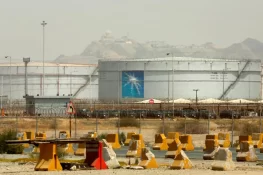
The Houthis’ claimed targets included Saudi Arabia’s East-West crude oil pipeline pumping stations, a key part of the kingdom’s energy infrastructure.
The pipeline allows Saudi Arabia to transport crude oil towards the Red Sea, providing an alternative export route that reduces reliance on shipping through the Strait of Hormuz.
Any disruption to the facilities could raise concerns about regional energy supplies and the security of oil shipments. However, no immediate Saudi confirmation of the latest claimed attack was available in the supplied report.
Renewed Fighting Threatens Yemen Truce
The latest escalation comes amid intensifying fighting involving the Houthis and the Saudi-led coalition.
According to the report, Saudi Arabia stepped up strikes against the group after it seized strategic territory along the Red Sea coast last month, bringing it closer to the Bab el-Mandeb Strait. The narrow waterway is a major international shipping route and an important passage for energy supplies.
The renewed hostilities have also undermined a United Nations-brokered truce that had largely held since 2022.
Saudi Arabia intervened in Yemen’s civil war in 2015 at the head of a coalition supporting the internationally recognised government, after the Houthis seized the capital, Sanaa, in 2014.
The latest claims of attacks on oil infrastructure and Riyadh airport underline the growing risks to regional security and commercial transport. However, the reported strikes on the oil pumping stations and airport had not been independently confirmed by Saudi authorities at the time of the report.