China has pushed back against allegations of an espionage operation involving Nvidia chief executive Jensen Huang, urging the United States not to use what it described as fabricated spy claims to justify further restrictions on Chinese access to advanced technology.
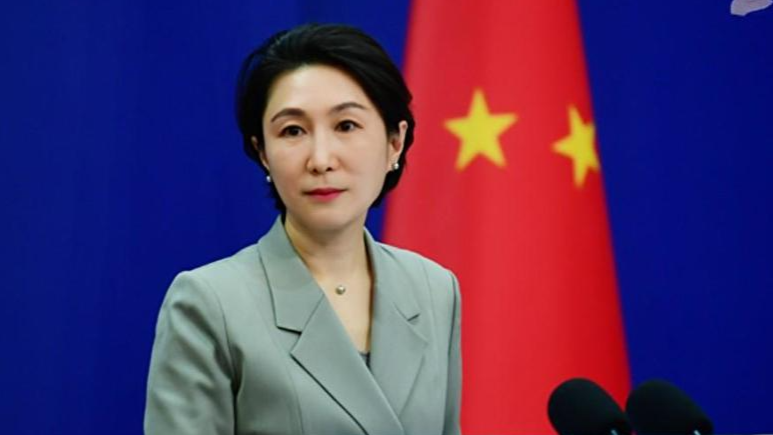
Chinese Foreign Ministry spokesperson Mao Ning said on Thursday that China’s scientific and technological development was driven by independent innovation and open cooperation. She called on Washington to stop creating what she described as a so-called Chinese spy narrative and using it as a pretext for imposing a technological blockade.
Mao also said Beijing was willing to work with Washington to implement the consensus reached by the two countries’ leaders, signalling China’s interest in maintaining cooperation despite growing tensions over technology and national security.
Beijing Denies Allegations Involving Nvidia CEO
The controversy centres on reports that a Chinese businesswoman, identified as Alice Huang, had a close personal relationship with Nvidia chief Jensen Huang and was allegedly gathering intelligence for Beijing.
According to reports citing US intelligence assessments, Alice Huang was suspected of having links to China’s Ministry of State Security. She was also reportedly associated with Megaspeed International, a Singapore-based company involved in cloud computing and artificial intelligence infrastructure.
China has repeatedly rejected the allegations. On November 9, Foreign Ministry spokesperson Guo Jiakun described the claims as unsubstantiated and a smear campaign against Beijing.
However, the allegations have attracted attention in Washington because of Nvidia’s leading position in the global artificial intelligence industry and the company’s importance to US technological and national security interests.
Nvidia Board Launches Independent Investigation
Nvidia has confirmed that its board of directors has initiated an independent investigation into reports that its chief executive may have been targeted by a foreign intelligence operation.
The company said a committee of independent directors, supported by external legal advisers, would oversee the review and examine available information.
Nvidia stated that it had no reason to believe that US national security or the company’s confidential information had been compromised. Jensen Huang has expressed support for the investigation and committed to cooperating with the board.
The controversy has placed additional scrutiny on the company’s business dealings with China, particularly the export and potential diversion of advanced artificial intelligence chips subject to US restrictions.
Who Is Alice Huang? Chinese Businesswoman Linked to Nvidia CEO Under Scrutiny
Technology Dispute Adds to US-China Tensions
The latest exchange comes amid an ongoing dispute between Washington and Beijing over semiconductor exports, artificial intelligence and access to advanced computing technology.
The United States has imposed restrictions on exports of its most advanced AI chips to China, citing national security concerns and the potential military applications of the technology.
China, meanwhile, has been working to strengthen its domestic semiconductor industry and reduce reliance on foreign technology through investment in research and independent innovation.
The Nvidia controversy has added another sensitive issue to an already complicated relationship. While Washington faces questions about protecting its technology from potential espionage and unauthorised transfers, Beijing has warned against using such allegations to impose broader restrictions on Chinese companies.
For now, the espionage claims remain allegations, and Nvidia’s independent review is still underway. No public finding has established that the company’s trade secrets or US national security information were compromised.
Source: The Express Tribune, Reuters, Bloomberg, Anadolu Agency.