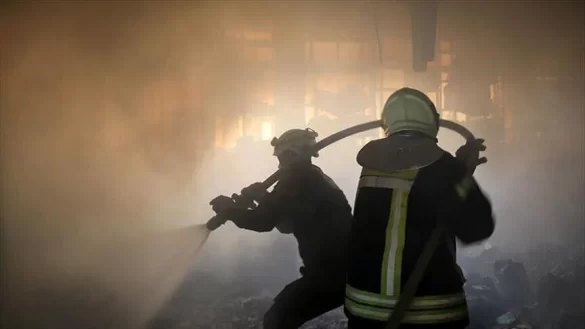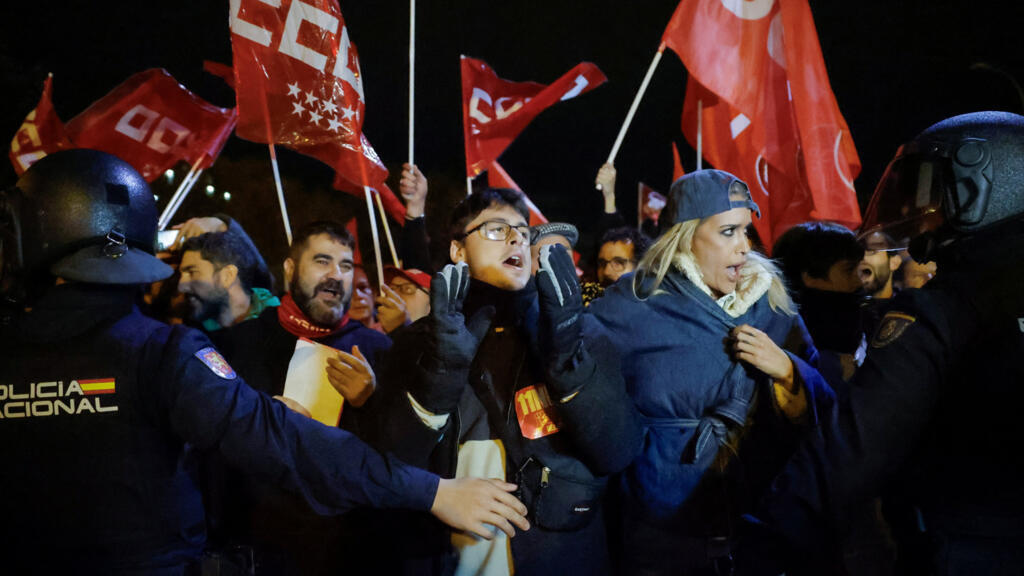
Workers across Spain staged the country’s first general strike in 14 years on Wednesday, November 11, protesting soaring rents, housing shortages and the rising cost of living ahead of a snap general election scheduled for November 29.
The 24-hour nationwide walkout was jointly backed by Spain’s two largest trade unions, the General Union of Workers (UGT) and the Workers’ Commissions (CCOO), alongside other labour organisations and tenants’ associations. The protest disrupted transport services, factories and public facilities across the country.
Major Industries Report High Strike Participation
The unions reported strong participation in several key industries during the early hours of the strike.
According to UGT and CCOO, participation reached 90% at ports and in the automotive sector, with complete stoppages reported at factories operated by Volkswagen in Navarre and SEAT in Barcelona.
The unions also reported participation of 85% in the meat industry, 82% in waste collection and 75% in the energy sector.
Healthcare and social services recorded lower participation at 38%, while the postal service reported 35%.
Public transport was among the sectors affected, with delays and disruptions reported in major cities, including Madrid and Barcelona. Schools and universities also operated with reduced services or remained closed in some areas.
Housing Crisis Fuels Nationwide Protests
The strike was organised in response to growing frustration over Spain’s housing affordability crisis, particularly rising rents and increasing difficulties faced by young people trying to secure accommodation.
According to Spain’s central bank, the country faces a housing shortage of approximately 750,000 homes, a figure projected to exceed 1 million by 2028.
The average monthly rent has reached €1,176, equivalent to approximately 98.7% of the average monthly salary of a young person in Spain, according to the country’s Youth Council.
Housing activists are demanding stronger protections for tenants, action against property speculation and restrictions on tourist apartments. They have also called for automatic lease renewals to provide greater security to renters.
The unions are seeking greater government intervention in the housing market, alongside improved wages and a new minimum wage agreement.
Eviction of Elderly Woman Sparks Public Outrage
The protests gained momentum following the eviction of an 87-year-old woman, identified as Maricarmen Abascal, from her home in Madrid in September.
She was removed from the property after a dispute involving a rent increase by the corporate landlord that had acquired the apartment. Images of her being taken away on a stretcher sparked widespread anger and demonstrations across Spain.
Her subsequent death further intensified public criticism of the country’s housing system, turning her case into a symbol of the difficulties faced by tenants struggling with rising accommodation costs.
The demonstrations and public pressure also followed parliament’s rejection of government measures aimed at limiting evictions and easing rent pressures.
France Braces for Protests as Yellow Vests Call for ‘Mass Disobedience’
Police Clashes and Storms Complicate Demonstrations
The nationwide strike faced challenges from severe weather, with storms named Charles and Bruna prompting Spain’s meteorological agency to issue warnings across 14 regions.
Heavy rain, strong winds and rough seas threatened planned demonstrations and public gatherings.
Tensions also emerged near Mercamadrid, Madrid’s main wholesale market, where approximately 1,000 protesters gathered. The Madrid branch of CCOO alleged that police used pepper spray against picketers and arrested one demonstrator, with 13 people reportedly requiring medical attention.
Police confirmed the arrest but did not confirm using pepper spray at the market. A police spokesperson said the substance had been used to disperse a separate picket line in the Carabanchel district.
General Strike Adds Pressure Ahead of November Election
The walkout comes less than three weeks before Spain’s November 29 snap election, making housing affordability a central political issue.
Prime Minister Pedro Sanchez is seeking to use public frustration over rising rents to strengthen support for his Socialist Party, which has been trailing in opinion polls.
His government has blamed right-wing opposition parties governing several regions and municipalities for inadequate housing supply and rising rents.
However, union leaders and protesters have also criticised the central government, arguing that it has failed to address the housing crisis effectively.
The conservative People’s Party and far-right Vox have criticised the strike, describing it as a politically motivated action intended to benefit Sanchez’s government.
The nationwide protest has therefore brought together workers, housing activists and political groups with different objectives, but a shared demand for action on the country’s growing affordability crisis.
Source: Reuters, Associated Press, The Express Tribune