The United States and China have agreed to strengthen cooperation on managing risks associated with artificial intelligence (AI), even as the two global powers continue competing for technological leadership.
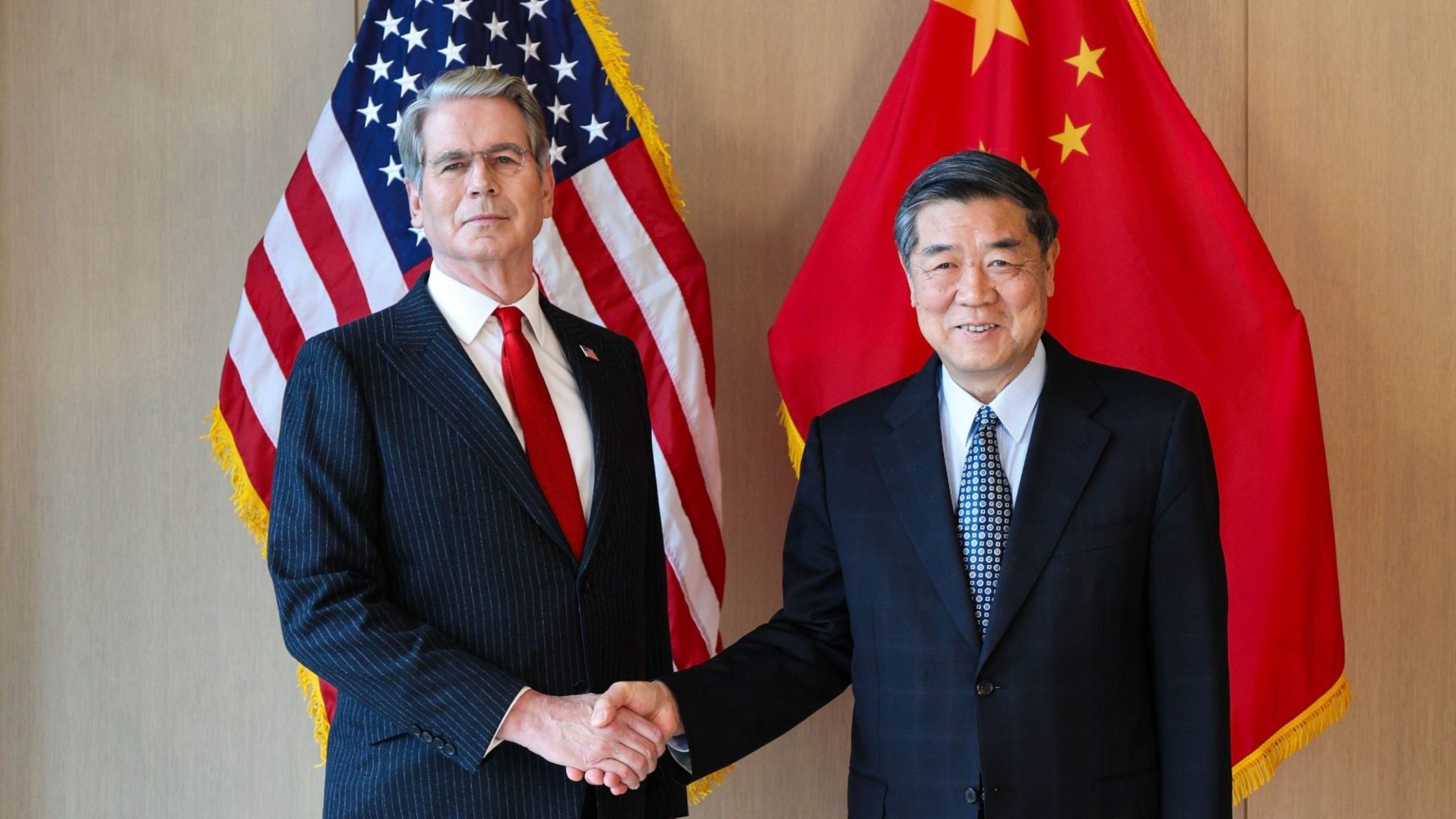
US Treasury Secretary Scott Bessent said both countries would establish a bilateral dialogue on advanced AI systems, focusing on shared security concerns, testing practices and preventing misunderstandings that could arise as the technology develops.
Speaking at an event hosted by the National Committee on US-China Relations in New York on Tuesday, Bessent stressed that cooperation would not eliminate the significant differences between Washington and Beijing.
New Dialogue to Address Advanced AI Risks
Bessent said the proposed dialogue would focus on what the Trump administration calls “superintelligence”, referring to highly advanced artificial intelligence systems.
The initiative aims to identify shared risks and establish communication channels to prevent serious incidents involving AI technology.
Both countries are also expected to exchange best practices for evaluating and testing advanced AI models before their public release. Another priority will be ensuring that human judgment remains central to decisions involving increasingly powerful AI systems.
According to Bessent, Washington and Beijing have agreed to establish a direct communication channel through which either side can promptly alert the other about serious incidents involving AI models.
The arrangement is intended to improve transparency and reduce the possibility of misunderstandings between the two countries as AI capabilities advance.
Bessent Warns Against Ignoring Differences
Despite welcoming cooperation, Bessent cautioned that the United States and China should remain realistic about their strategic differences.
He said the countries’ interests would not always align and their approaches to international challenges would not necessarily converge.
Bessent added that the objective was to develop a constructive relationship based on balance and reciprocity while maintaining competition in areas where their interests differed.
The comments reflect Washington’s effort to manage potential risks associated with advanced technology without abandoning its ambition to maintain leadership in the global AI industry.
Trump Says China and Russia Are Not Helping Iran
Trump and Xi to Discuss AI During Upcoming Meeting
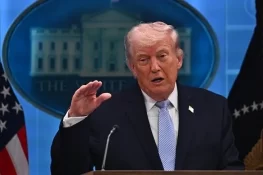
Bessent is expected to travel to China next week alongside US President Donald Trump for a meeting with Chinese President Xi Jinping in Shenzhen.
The November 18-19 meeting, scheduled alongside the Asia-Pacific Economic Cooperation (APEC) leaders’ summit, is expected to advance discussions on AI cooperation and broader economic relations.
Trump and Xi had previously discussed establishing an AI communication mechanism during their September meeting at the White House.
The upcoming talks are expected to build on that understanding and explore ways to manage emerging technological risks while maintaining channels of communication between the two governments.
Trade Tensions Remain a Major Challenge
Alongside AI cooperation, Bessent highlighted continuing economic tensions between the two countries, particularly the US trade deficit with China.
He said Washington wanted to reduce its dependence on foreign supply chains without completely separating the two economies.
Bessent also referred to plans for a proposed Board of Trade to examine reciprocal tariff reductions on $30 billion worth of non-sensitive goods in each direction.
A separate Board of Investment is expected to provide a platform for discussing market access for American businesses in China and greater predictability for Chinese companies.
China’s purchases of American agricultural products are also part of the broader economic discussions.
Bessent reiterated that the US objective was to “de-risk, not to decouple” from China, indicating that Washington wanted to address economic vulnerabilities while preserving trade relations.
The developments highlight the growing importance of AI safety in relations between the world’s two largest economies, even as competition over technology, trade and national security continues.
Source: Reuters, Anadolu Agency, The Express Tribune