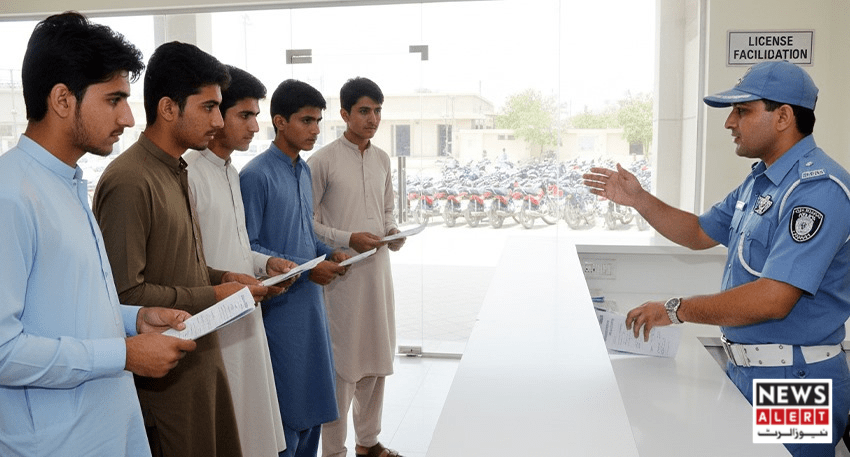
Punjab Launches Licensing Program for Young Motorcyclists
LAHORE – The Punjab government has announced that teenagers as young as 16 can now obtain smart cards and motorcycle driving licenses. Chief Minister Maryam Nawaz called the initiative people-friendly and historic. She emphasized that guiding young citizens toward legal and responsible driving is essential to ensure road safety.
This program shifts the focus from punishment to support and training. Instead of facing fines or arrests, young riders will now receive official recognition. Consequently, it encourages teenagers to follow traffic rules while gaining legal mobility.
Ending Arrests and Harsh Penalties for Underage Drivers
Previously, underage drivers faced fines, vehicle confiscation, parental summons, and, in some cases, arrest. As a result, parents and citizens expressed widespread concern.
Under the new policy, teenagers can legally ride motorcycles once they obtain licenses. Furthermore, Chief Minister Nawaz announced that authorities will stop arresting students for minor traffic violations. She also urged parents to actively teach their children the importance of traffic rules, noting that these rules protect lives and prevent accidents.
Eligibility Criteria and Licensing Process
To apply for a motorcycle license in Punjab, applicants must:
-
Be at least 16 years old
-
Be residents of Punjab
-
Demonstrate basic motorcycle riding skills
-
Pass a driving test after completing the mandatory learner period
Additionally, applicants must submit several documents, including:
-
A copy of a parent or guardian’s CNIC
-
NADRA B-form
-
Two certified passport-size photographs
-
School or college ID
-
Medical fitness certificate (if requested)
-
Verification from an authorized official or teacher
-
Written consent from a parent or guardian
These steps ensure that young riders are properly trained and legally authorized to drive. Similarly, Islamabad has set an October 1 deadline for driving license applications, which applicants must meet to avoid penalties. You can read more about the Islamabad deadline here. Moreover, by involving parents and schools, the policy promotes a culture of accountability from an early age.
Policy Goals and Road Safety Benefits
The Punjab government aims to make the licensing process convenient while encouraging strict adherence to traffic laws. Early training combined with legal recognition is expected to foster responsible driving habits.
Pakistan faces significant road safety challenges. According to the World Health Organization, it has one of the highest road traffic death rates in South Asia, with young drivers particularly vulnerable. By issuing smart cards and licenses, Punjab seeks to reduce accidents and improve compliance with traffic regulations. In addition, the program creates a formal system that allows authorities to educate young drivers systematically.
Promoting Responsible Driving Among Youth
This policy forms part of Punjab’s broader strategy to modernize traffic management. By combining legal recognition, proper training, and parental guidance, authorities hope to produce responsible young drivers.
Chief Minister Nawaz emphasized that the initiative balances support with enforcement. Teenagers now gain mobility while learning essential safety skills. Furthermore, experts suggest that programs like this can serve as a model for other provinces. By fostering a culture of safe driving early, Punjab aims to improve road safety and reduce fatalities over the long term.