Iran has warned that the possibility of another Israeli attack remains real, highlighting growing instability in the Middle East and deepening distrust between the two rivals. Iranian officials say they do not want war, yet they insist the country stands fully prepared to respond if faced with renewed military action.
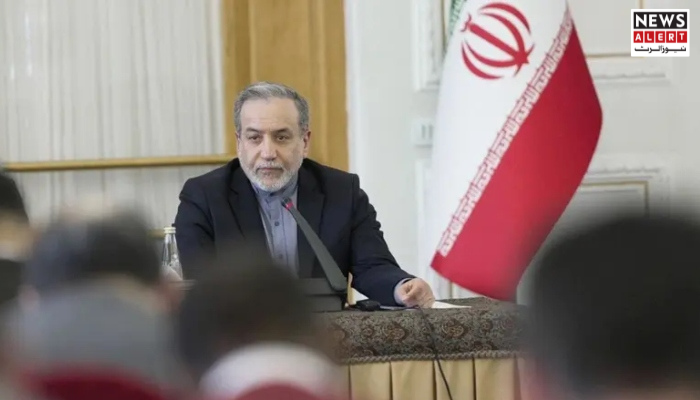
The warning came from Iran’s Foreign Minister Abbas Araghchi, who addressed the issue during an interview with Russian media. His remarks reflect mounting concern in Tehran over Israel’s intentions and the broader regional security climate.
Also Read: Red Flag Hoisted in Iran: Jumkran Mosque Sends Warning to Israel
Iran Emphasizes Deterrence, Not Aggression
Speaking to reporters, Araghchi said Iran does not welcome war under any circumstances. However, he stressed that Iran cannot dismiss the risk of another Israeli strike.
Iran does not seek war, he said. But if others impose it on us, we will defend ourselves with full strength.
He added that strong preparedness remains the most effective way to prevent conflict. According to Araghchi, readiness discourages adversaries from taking aggressive steps and helps maintain a fragile balance.
Iran has repeatedly framed its military posture as defensive. Officials argue that deterrence, not expansion, guides their security strategy. Araghchi’s comments align with that position and aim to send a clear warning without escalating rhetoric.
Lessons From Past Escalations
Araghchi also referred to previous confrontations between Iran and its adversaries. He said Iran has already recovered from the damage caused by earlier acts of aggression.
We have compensated for the losses caused by past attacks, he stated. If they choose to repeat that failed path, they will not gain a different outcome.
Iran and Israel have engaged for years in indirect confrontation. Analysts often describe this rivalry as a shadow conflict, involving cyber operations, intelligence activities, and alleged strikes on strategic assets. While neither side usually confirms details, tensions have remained consistently high.
Israeli Focus on Iran’s Missile Capabilities
At the same time, American media reports suggest Israel remains highly concerned about Iran’s military development, especially its ballistic missile program. According to these reports, Israeli officials believe Iran continues to expand its missile capabilities.
Iran holds one of the largest missile arsenals in the Middle East. Independent estimates suggest Iran possesses hundreds of ballistic missiles with ranges capable of reaching much of the region. Tehran maintains that its missile program serves defensive purposes and does not violate international law.
Israel views these capabilities as a direct threat. Israeli leaders have repeatedly warned that they will not allow Iran to strengthen what they describe as offensive military power.
Israel Seeks Talks With the United States
US media outlets report that Israel wants to hold detailed discussions with Washington about Iran. These talks reportedly focus on intelligence assessments and potential responses to Iranian military activity.
The United States remains Israel’s closest ally and provides billions of dollars in military assistance each year. At the same time, US officials have consistently expressed concern about the risk of a wider regional war.
According to the reports, Israeli Prime Minister Benjamin Netanyahu may raise the issue of Iran during a planned meeting with US President Donald Trump next month. Observers expect Iran’s nuclear and missile programs to feature prominently in the talks.
A Region on Edge
These developments unfold amid broader instability across the Middle East. Ongoing conflicts in Gaza, southern Lebanon, and Yemen have increased the risk of spillover. Iran and Israel often support opposing sides in these crises, which further fuels confrontation.
No direct diplomatic channels exist between Tehran and Tel Aviv. This absence of communication increases the danger of miscalculation, especially during periods of heightened tension.
Iran’s latest message combines restraint with resolve. Tehran says it does not want war, but it wants its rivals to understand that any attack will face a strong response.
As regional pressures continue to mount, the path forward remains uncertain. Diplomacy faces serious challenges, while the risk of escalation persists across an already volatile landscape.