An alleged assault on well-known Pakistani YouTuber Rajab Butt inside Karachi’s City Court has triggered serious concern within legal circles. Following the incident, a formal petition has been filed seeking strict disciplinary action against lawyers accused of involvement in the attack.
The case has reignited debate about safety within court premises and professional conduct among members of the legal community. Moreover, it has raised broader questions about accountability and the rule of law.
Petition filed against accused lawyers
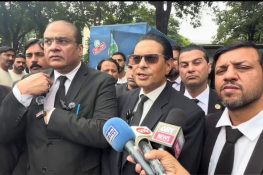
The petition was submitted by advocate Mian Ali Ashfaq before the relevant legal forum. In his application, he demanded strong disciplinary action against Advocate Riaz Solangi, Advocate Fatah Chandio, and other lawyers named in the complaint.
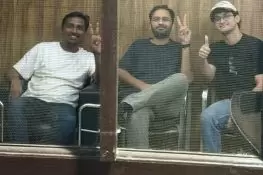
According to the petition, the incident occurred when Rajab Butt arrived at Karachi City Court for a legal hearing. At that moment, a group of lawyers allegedly confronted him.
Also Read: Chaos at Karachi Court: YouTuber Rajab Butt Attacked During Bail Hearing
The petitioner claims the lawyers physically assaulted Rajab Butt within the court premises. Subsequently, they allegedly dragged him to the bar room, where the violence continued.
Allegations of assault and theft
The petition states that Rajab Butt sustained physical injuries during the assault. Furthermore, it alleges that a sum of 300,000 Pakistani rupees went missing from his pocket during the incident.
Such claims have intensified the seriousness of the case. As a result, legal observers have described the incident as one of the most alarming episodes inside a Karachi court in recent years.
Importantly, the petition argues that violence within court premises undermines the justice system itself. Therefore, it calls for immediate suspension of the accused lawyers’ licences.
Concerns over violation of legal ethics
Mian Ali Ashfaq argued that the alleged actions represent a clear violation of both the law and the professional code of conduct. He stressed that lawyers carry a special responsibility to uphold justice.
According to him, when lawyers resort to violence, public trust in the legal system erodes rapidly. Consequently, he urged authorities to set an example through decisive action.
He further stated that failure to act could encourage similar incidents in the future. Thus, he called for both disciplinary and legal proceedings against those involved.
Incident sparks public and media reaction
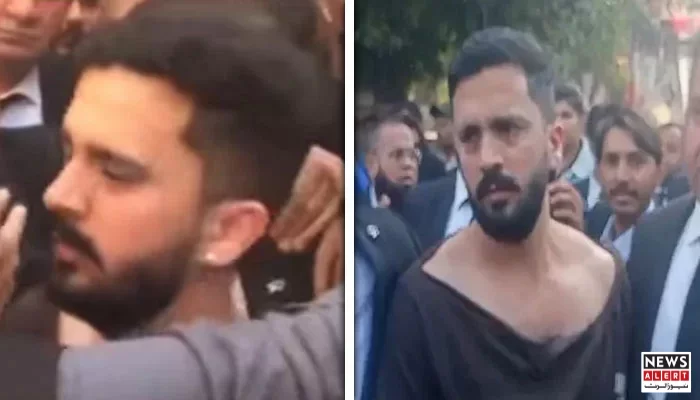
The alleged assault quickly gained public attention after videos and images circulated on social media. In these visuals, Rajab Butt appeared injured, prompting widespread criticism.
As the content spread, journalists, activists, and social media users demanded accountability. Many questioned how such an incident could occur inside a court complex.
Meanwhile, legal commentators highlighted that courts should remain secure spaces for all citizens. They warned that unchecked violence could damage the credibility of judicial institutions.
Legal experts warn of broader implications
Legal experts have described the incident as deeply troubling. According to them, court premises symbolize justice, order, and the rule of law.
If violence occurs in such spaces, it sends a dangerous message to society. Therefore, experts believe swift action is necessary to prevent long-term damage.
Pakistan’s legal system already faces criticism over delays and access issues. In this context, incidents like this further weaken public confidence.
Growing scrutiny on lawyer conduct
In recent years, Pakistan has witnessed several cases involving alleged misconduct by lawyers. Although most legal professionals adhere to ethical standards, a few incidents have drawn negative attention.
According to bar council rules, lawyers can face suspension or disbarment for professional misconduct. Hence, the current petition could test how seriously regulatory bodies enforce these rules.
Observers note that disciplinary action could also reassure the public. Moreover, it could reinforce the principle that no one stands above the law.
Awaiting response from authorities
At present, all eyes remain on the relevant authorities and bar councils. Their response will likely determine the next course of action.
If officials move swiftly, it could restore some public confidence. However, delays may intensify criticism and distrust.
For now, the case of Rajab Butt continues to highlight urgent concerns about safety, ethics, and accountability within Pakistan’s legal system.