As the new year approaches, Pakistani consumers may see significant relief at the fuel pump. According to officials, the federal government plans a substantial reduction in petroleum prices, which is being described as a symbolic gift for the public. Moreover, sources within the Ministry of Finance say these cuts could take effect from January 1, 2026.
Proposed Reductions in Fuel Prices
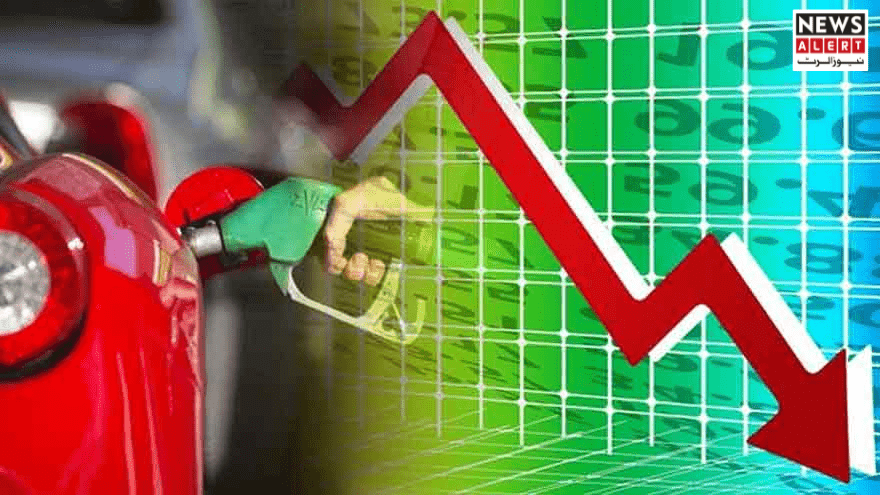
The government proposes a cut of PKR 10.60 per liter for petrol. Similarly, high-speed diesel may drop by PKR 8.59 per liter, kerosene oil by PKR 9 per liter, and light diesel oil by PKR 6.62 per liter.
Also Read: Pakistan Cuts Fuel Prices as Government Moves to Ease Cost Pressures
Meanwhile, OGRA (Oil and Gas Regulatory Authority) will submit a working paper to the government detailing the recommended adjustments. Afterward, the Prime Minister will approve the final price changes.
Reducing Financial Pressure on Households
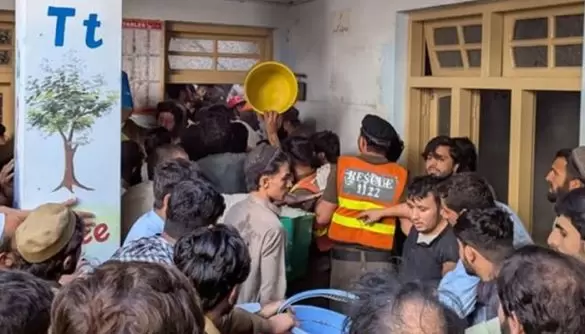
Officials say the cuts aim to ease the financial burden on ordinary citizens. Fuel costs strongly influence inflation, affecting essential goods, transportation, and household budgets. Therefore, reducing petroleum prices can provide immediate relief to families struggling with rising living costs.
Lowering fuel prices at the start of the new year will mitigate economic pressure on consumers, said a finance ministry official. In addition, the measure will directly benefit daily commuters, transporters, and households relying on fuel for basic needs.
Broader Economic Context
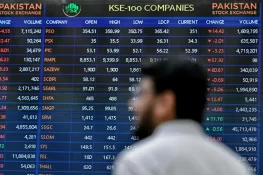
Pakistan faced fluctuating petroleum prices in 2025 due to global oil market volatility and domestic fiscal pressures. As a result, several price hikes over the past year increased living costs for both urban and rural populations.
Fuel prices also affect transport costs, food prices, and agriculture. Consequently, even modest reductions can lower expenses across multiple sectors. Furthermore, lower fuel prices can support small businesses and daily wage workers.
Upcoming Steps and Public Expectations
Once OGRA submits its report, the government will review the recommendations and announce the official price adjustments. Meanwhile, public anticipation is high. These reductions could provide relief in early January, when households usually face festival and tuition expenses.
Economists warn that short-term cuts alone cannot stabilize prices. However, they note that such measures help lower- and middle-income families immediately. In the long term, broader fiscal and energy reforms are necessary.
Conclusion
The government’s plan to cut petroleum prices shows an effort to address public concerns at the start of the new year. Although final approval is pending, consumers may soon experience a welcome respite at the fuel pump. Overall, the measure reflects a balance between economic pressures and public sentiment.