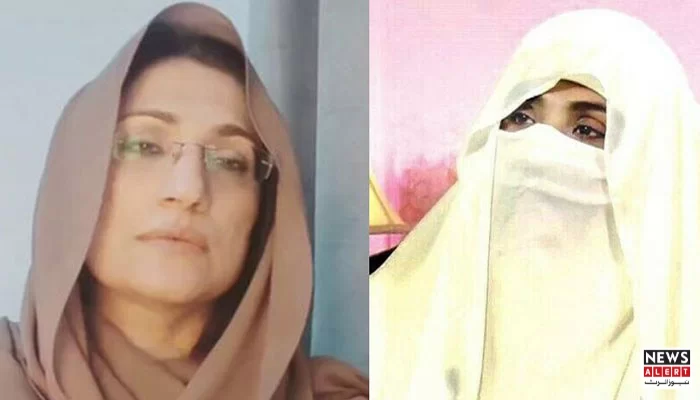
The sister of Bushra Bibi says her family has received no news about her wellbeing for nearly three months. As a result, the situation has become both painful and alarming.
In a message shared on social media, Maryam Riaz Wattoo described the anxiety that has taken over their home. At the same time, she said the silence from authorities has left the family distressed and uncertain.
Her remarks have renewed debate about prisoners’ rights in Pakistan. Moreover, they have raised concerns about access to families and humane treatment in custody.
Also Read: Allegations of Solitary Confinement Raise Human Rights Concerns in Pakistan
Every Ring of the Doorbell Brings New Pain
According to Maryam, every ring of the doorbell fills her mother with sudden hope. For a moment, her mother believes Bushra may have come home.
Soon after, reality returns, and Bushra remains in jail. Consequently, the brief hope fades into quiet sorrow.
Maryam explained that this cycle repeats daily. Each time, it deepens her mother’s pain.
She also said her mother tries to find comfort through faith. In particular, she believes that God is watching over Bushra. If they do not meet in this life, she hopes they will meet in the next.
These words reflect grief as well as quiet strength.
No Contact for Nearly Three Months
Maryam said almost three months have passed without direct news about Bushra’s health. So far, the family has not received even a short update.
Importantly, Bushra knows about her mother’s illness. Yet authorities have not allowed her to speak with her family.
Because of this, Maryam called the treatment cruel. She added that it goes beyond simple unfairness.
In Pakistan, prisoners usually have the right to contact their families. However, courts or prison officials may limit this right in special cases.
Even so, long periods without contact often raise legal and ethical questions. For this reason, human rights groups warn that isolation harms both prisoners and families.
Over time, such isolation can also damage mental health.
An Appeal, Not a Search for Sympathy
Maryam stressed that she did not write her message to seek pity. Instead, she said she wanted people to understand her family’s suffering.
She believes silence only worsens the pain. Furthermore, she said few people speak out against what her family faces.
According to her, that silence hurts more than the detention itself.
In this way, her words suggest a desire for accountability rather than attention.
Why Family Access Matters
Across the world, regular contact with family counts as a basic right for prisoners. For example, the United Nations supports this view through the Nelson Mandela Rules.
These rules urge authorities to allow visits and communication whenever possible.
Similarly, Pakistan’s prison laws also allow family visits. In practice, however, access often depends on local conditions and official decisions.
Because of this, rights advocates argue that long isolation may turn into punishment without trial. They also say families deserve clear information about detained relatives.
Although Maryam did not mention any official reason for the lack of contact, the long silence still raises serious concerns.
A Wider Public Concern
High-profile detentions in Pakistan often spark public debate. In many past cases, questions have emerged about due process and fairness.
While Maryam did not link Bushra’s case to politics, her remarks echo the frustration of many families across the country.
As a result, trust in institutions can weaken when information remains unclear.
Silence That Deepens the Pain
For Maryam’s family, the silence feels heavier than the separation itself.
After three months without a call or message, they remain anxious. Each day begins with hope for news.
In a society where family bonds matter deeply, this absence cuts sharply. Therefore, the emotional strain does not fade with time but grows stronger.
Conclusion: A Call for Transparency and Humanity
Ultimately, Maryam Riaz Wattoo’s message calls for transparency and humane treatment.
She asks a simple question: why should a family wait months to hear if their loved one is safe?
As debates about justice continue in Pakistan, such cases highlight a human cost. Behind every detention stands a family seeking answers.
For now, Bushra Bibi’s family continues to wait. They do not ask for special treatment. Instead, they ask only for the right to know that their daughter and sister is safe.