Players Mask Up Amid Dangerous Air Quality
Air pollution in India has reached alarming levels, forcing professional cricketers to wear masks while playing. Recent reports highlight the growing concern as athletes in domestic tournaments took unprecedented steps to protect their health on the field.
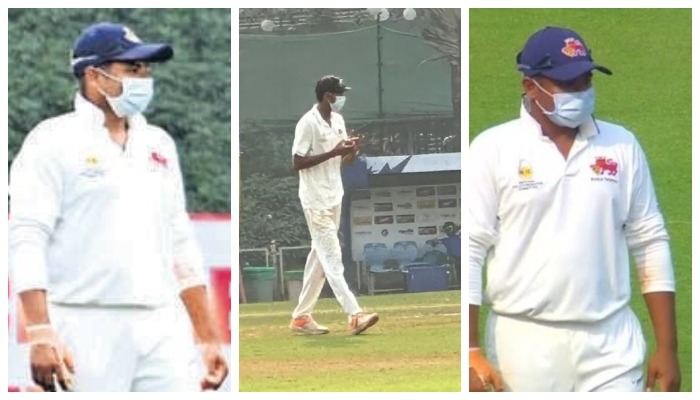
In a Ranji Trophy match between Mumbai and Delhi, players from both teams were seen wearing masks throughout the game. The match, held at Mumbai’s Bandra-Kurla Complex, showcased the severity of air pollution in urban areas, even during outdoor sporting events.
Construction and Urban Smog Worsen Air Quality
According to Indian media, ongoing construction near the cricket ground contributed to the heightened pollution levels. Dust, particulate matter, and vehicular emissions have combined to create a hazardous environment for athletes and spectators alike.
Mumbai-based batsmen such as Sarfaraz Khan, Mashir Khan, and Himanshu Singh reportedly wore masks during the match to minimize inhalation of polluted air. Their decision reflects growing health concerns among sports professionals, particularly during high-intensity matches that demand heavy breathing.
Alarming Air Quality Index in Mumbai
The situation is exacerbated by Mumbai’s deteriorating air quality. The city’s Air Quality Index (AQI) recently reached 160, a level considered “unhealthy” according to international standards. At this level, sensitive groups, including children, the elderly, and people with respiratory issues, are advised to reduce prolonged outdoor exertion.
For context, an AQI of 0–50 is considered good, 51–100 moderate, 101–150 unhealthy for sensitive groups, and 151–200 unhealthy. Mumbai’s current readings place it well into the unhealthy category, raising concerns ahead of major sporting events.
Implications for the T20 World Cup
The timing of this pollution surge is particularly worrying for cricket fans and officials, as Mumbai is scheduled to host several T20 World Cup matches, including semi-finals. Players, coaches, and organizers are now grappling with how to manage health risks while maintaining the competitive schedule.
Environmental experts have emphasized that urban centers like Mumbai face recurring spikes in air pollution due to traffic congestion, construction projects, and seasonal factors such as crop burning in northern India. These issues are increasingly affecting outdoor activities, including professional sports.
Growing Awareness in Indian Sports
This incident has brought attention to the broader issue of air quality in Indian cities. While mask-wearing is common in some countries during pollution peaks, seeing professional athletes adopt such measures during competitive matches is a rare and stark indicator of the health crisis.
Experts suggest that organizers should monitor AQI closely and consider rescheduling or relocating matches if pollution reaches hazardous levels. Meanwhile, players may continue using masks or other protective equipment to safeguard their respiratory health.
The Mumbai match has sparked debate among fans, health professionals, and sports authorities alike. Many argue that air pollution should become a central factor in planning sporting events, particularly in densely populated and industrialized cities.
Conclusion
The sight of cricketers wearing masks during high-profile domestic matches underscores India’s growing air pollution problem. With international tournaments like the T20 World Cup approaching, ensuring player safety while maintaining the game’s integrity has become a pressing challenge.
As cities like Mumbai continue to grapple with rising pollution, sports authorities may need to adapt to new norms—balancing public health concerns with the nation’s passion for cricket.