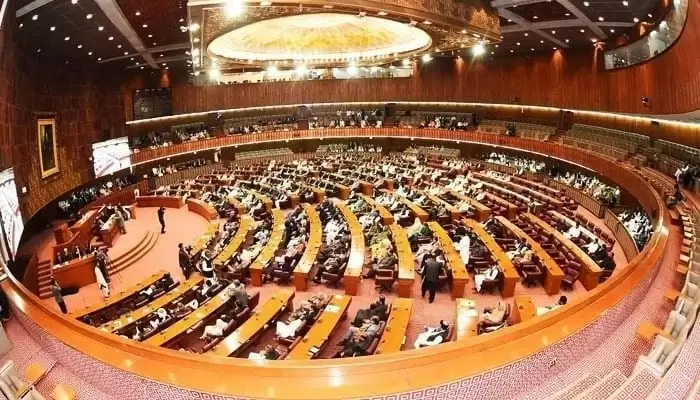
Pakistan’s federal government’s financial management has come under intense scrutiny after audit reports for the 2025-26 audit year uncovered widespread irregularities in public spending, weak oversight mechanisms, and expenditure worth trillions of rupees without parliamentary approval.
The reports, which review the federal government’s accounts for fiscal year 2024-25, highlight serious concerns regarding fiscal discipline, transparency, and compliance with constitutional requirements governing the use of public funds.
Trillions Spent Without Parliamentary Approval
One of the most significant findings of the audit concerns supplementary grants obtained during the fiscal year.
According to the Auditor General’s report, the federal government secured supplementary grants totaling Rs3.454 trillion during FY2024-25. However, Rs3.177 trillion—approximately 92% of the total supplementary grants—remained unapproved by Parliament.
The audit questioned whether the government complied with constitutional and parliamentary procedures that require legislative oversight of public expenditures.
The findings are likely to intensify debate over Parliament’s role in monitoring government spending and ensuring accountability in financial decision-making.
Budget Allocations Sought Without Proper Assessment
The audit also highlighted weaknesses in the budgeting process itself.
Federal ministries and departments reportedly sought budgetary allocations amounting to Rs3.809 trillion without conducting adequate assessments of their actual financial requirements. Auditors warned that such practices undermine the credibility and effectiveness of budget planning.
Adding to the concern, despite requesting substantial funds, 115 cost centres failed to utilise allocations worth Rs87 billion, which ultimately lapsed at the end of the fiscal year.
Similarly, supplementary grants amounting to Rs41 billion remained unspent, raising further questions about the accuracy of financial forecasting and resource planning.
Excess Expenditure and Debt Repayment Issues
The report found that supplementary grants worth Rs1.833 trillion were obtained for repayment of loan principal without proper assessment of actual funding needs.
As a result, auditors identified instances of excess expenditure linked to these allocations.
In another case, government spending exceeded the final grant authorised by Parliament by Rs187 billion, highlighting further concerns regarding expenditure controls and adherence to approved budgets.
Constitutional Violations Identified
The Auditor General also pointed to several actions that may constitute violations of constitutional and financial management rules.
Among them was the transfer of Rs7 billion from the Federal Consolidated Fund to the Public Account, which auditors said contravened Article 78 of the Constitution.
The report further noted that Rs24 billion held in unclaimed deposits from dormant or deceased accounts had not been transferred to government accounts as required.
These findings have raised concerns about compliance with established financial procedures and safeguards.
Budget 2026–27 Approved: Vehicle Duties Revised and FBR Compliance Rules Tightened
Weak Internal Controls Across Federal Entities
A recurring theme throughout the audit was the lack of effective internal oversight mechanisms within government institutions.
According to the report, most federal entities either lack functional internal audit units or have failed to appoint Chief Internal Auditors. The Auditor General concluded that this absence of oversight contributed significantly to financial irregularities and weaknesses in internal controls.
The audit also identified several deficiencies in accounting and reporting systems, including:
- Failure to prepare debt and loss reports.
- Non-maintenance of fixed asset registers.
- Incomplete liabilities records.
- Missing General Provident Fund (GP Fund) subscription records in individual employee accounts.
These shortcomings make it more difficult to monitor government assets, liabilities, and financial obligations accurately.
Cases of Embezzlement and Misappropriation
The report uncovered multiple instances involving suspected misuse of public funds.
Auditors identified:
- Two cases involving alleged embezzlement, misappropriation of public money, and fictitious payments.
- Eighty-two cases where recoveries were recommended.
- Seventy-eight cases reflecting weak internal controls and financial management deficiencies.
Expressing serious concern, the Auditor General recommended that cases involving substantial losses to the public exchequer and suspected embezzlement be referred to relevant investigative agencies for further action.
Renewed Questions Over Accountability
The audit findings are expected to fuel renewed discussions about fiscal responsibility, transparency in government spending, and the effectiveness of accountability mechanisms within federal institutions.
Experts argue that stronger parliamentary oversight, improved budget planning, and the establishment of effective internal audit systems are essential to preventing waste, ensuring proper utilisation of public resources, and restoring confidence in public financial management.
As lawmakers review the findings, pressure is likely to grow on government departments to explain the irregularities and implement reforms aimed at strengthening financial governance across the public sector.