A Voice That Transcended Music
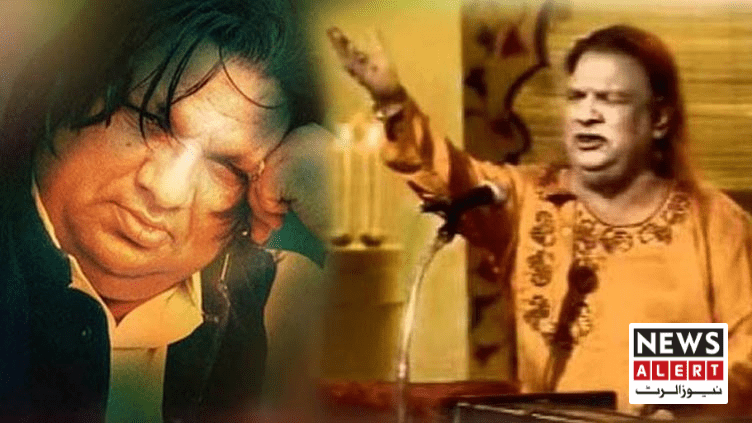
It has been 25 years since the world lost Aziz Mian, one of South Asia’s most celebrated qawwals and a unique interpreter of spiritual poetry. Yet, his voice still resonates, moving listeners with its intensity and devotion.
Aziz Mian did not see qawwali as mere music. Instead, he transformed it into a medium of spiritual reflection, philosophical thought, and social commentary. Each performance combined passion, intellect, and emotion. Consequently, his qawwalis were both entertainment and a journey into the human soul.
Early Life and Education
Born Abdul Aziz on April 17, 1942, in Delhi, he displayed early promise in music. Under Ustad Abdul Wahid, he received formal training in qawwali, mastering both technique and expression.
Furthermore, he pursued higher education. Aziz Mian earned master’s degrees in Arabic, Persian, and Urdu literature from Punjab University. Over time, the title “Mian” became part of his name, reflecting respect and admiration. Eventually, he became widely known as Aziz Mian Qawwal.
The Artistry of Aziz Mian
Aziz Mian’s qawwali stood out for its intensity and depth. His lyrics explored human psychology, spiritual longing, and philosophical reflection. Moreover, he blended traditional Sufi themes with a contemporary sensibility. This combination made his performances intellectually stimulating and emotionally moving.
Some of his most famous qawwalis include Main Sharabi, Teri Surat, Ya Nabi ﷺ Ya Nabi ﷺ, and Allah Hi Jaane Kaun Bashar Hai. Through these works, he explored philosophy, devotion, and spiritual consciousness.
His naat Na Kaleem Ka Tasawwur, Na Khayal-e-Toor-e-Sina… Meri Arzoo Muhammad ﷺ, Meri Justuju Madina continues to warm hearts. It is considered a prime example of his spiritual expression and lyrical artistry.
Recognition and Legacy
In 1989, the Government of Pakistan honored him with the Pride of Performance award. This recognition acknowledged both his technical skill and his ability to elevate qawwali into a thoughtful art form.
Aziz Mian passed away on December 6, 2000, in Tehran, Iran, following a period of illness. Honoring his wishes, he was buried in Multan beside his spiritual mentor.
Enduring Influence
Even after 25 years, Aziz Mian’s influence on qawwali remains profound. His recordings are streamed globally, and his style continues to inspire musicians and spiritual seekers.
Moreover, his work demonstrated that qawwali could convey both devotion and deep intellectual insight. Through his performances, he showed that music could touch hearts, provoke thought, and uplift the human spirit.
Today, audiences remember him not only for his voice but also for his unmatched contribution to South Asian music. His legacy endures as a beacon for future generations of artists and lovers of spiritual poetry.