Defence Minister Khawaja Asif on Monday highlighted that visa restrictions imposed by some Gulf countries on Pakistani nationals are linked to the country’s organised begging networks, which he described as a serious social and law-enforcement challenge.
Organised Begging as a Profession
Speaking on social media, Asif shared a video of noted social worker Zafar Abbas interviewing a child in Karachi’s Shah Faisal area. The child revealed that he and his two brothers earn around Rs10,000 to Rs12,000 weekly through begging, and had recently been able to purchase a house.
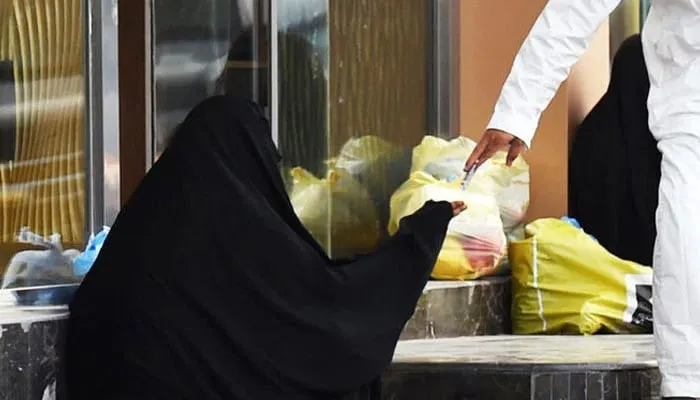
The defence minister described begging in Pakistan as a fully organised profession, run by contractors who recruit children, women, and even people pretending to be disabled. These contractors reportedly earn millions by managing the operations and, in some cases, sending thousands of beggars to Gulf countries.
Role of Local Administration
Asif claimed that officials deployed at airports are often complicit in this network, benefiting financially from the illegal trade. He also noted that in cities like Sialkot, beggars mostly arrive from South Punjab, stay in hotels, and operate organised begging schemes. While crackdowns by local police and district authorities have reduced the scale, the network continues to function.
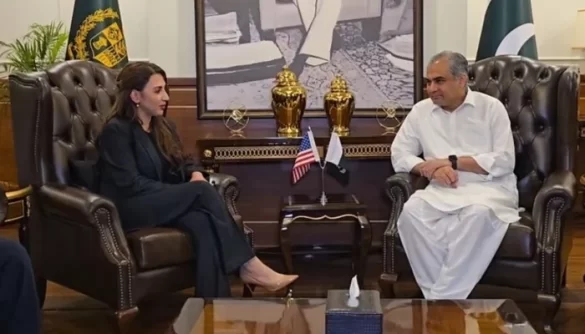
Interior Minister Mohsin Naqvi Orders Crackdown on Hawala, Fake Medicine & Beggar Mafias
The minister warned that these networks are often run by wealthy individuals who exert influence to evade enforcement measures. He emphasized that such operations cannot exist without the patronage of local authorities and police.
بھیک مانگنا ایک پروفیشن بن چکا ھے۔ جو باقاعدہ آرگنائزڈ ھے۔ اسکے باقاعدہ ٹھیکیدار موجود ھیں جو بچوں عورتوں اور جعلی معذوروں کو بھرتی کرکے کروڑوں کما رہے ھیں۔ یہی مافیا انہی بھیک منگوں کو گلف کے ملکوں میں ھزاروں کی تعداد میں ایکسپورٹ کر رہے ھیں ۔ ان ملکوں نے زچ ھو کر ھمارے ویز ے… pic.twitter.com/NRv3Ga1yBC
— Khawaja M. Asif (@KhawajaMAsif) February 9, 2026
Broader Implications
Asif termed the organised begging trade as the country’s “largest employment,” but warned that it is linked to other immoral and criminal activities, creating a complex societal and security problem.
The statement comes amid reports that the UAE had considered a visa ban on Pakistanis due to increasing involvement in begging. However, UAE Consulate General in Karachi, Bakheet Ateeq Al Remeithi, dismissed the reports as false, stating no such ban has been imposed.
Previous Data on Deportations
Last year, the Federal Investigation Agency (FIA) reported that 56,000 Pakistanis involved in organised begging were deported from Saudi Arabia, highlighting the scale of the issue abroad.
The defence minister’s remarks underscore the urgent need for stronger enforcement, regulation, and social reform to tackle Pakistan’s organised begging networks and prevent reputational and diplomatic fallout in Gulf countries.