The Gut-Brain Connection
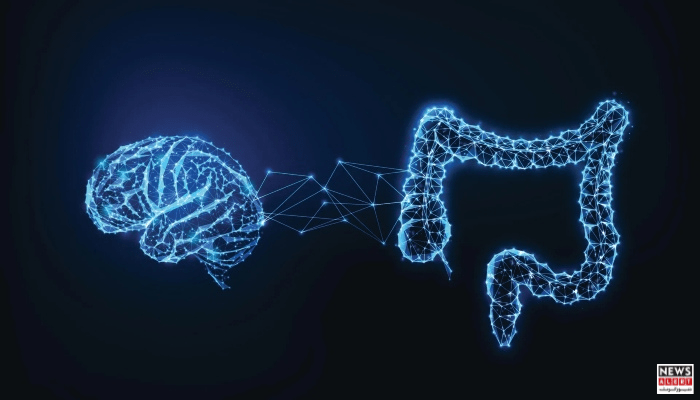
Recent studies reveal a remarkable connection between the gut and the brain. Indeed, scientists now believe that gut bacteria do more than aid digestion – they can directly influence cognitive function and mental health.
A Northwestern University study in the United States found that changes in gut bacteria directly affected brain activity. Furthermore, these findings strengthen evidence that the gut-brain axis—the communication between the digestive system and the brain – is essential for neurological health.
How the Study Was Conducted
Researchers examined gut bacteria and brain function across humans, monkeys, and mice. To test their hypotheses, they transplanted gut microbes from humans, monkeys, and another small mammal into laboratory mice.
After eight weeks, the scientists observed clear differences in brain activity.
-
Mice with human or monkey gut bacteria showed increased activity in genes that produce energy.
-
Consequently, their brains learned faster and adapted better to new environments.
-
In contrast, mice with bacteria from the small mammal did not show these changes.
Dr. John Cryan, a lead researcher, said: We were surprised that mice with human or monkey gut bacteria showed brain activity patterns similar to the original species.
Implications for Neurological Disorders
The study also revealed that mice with the small mammal’s bacteria showed genetic activity linked to autism spectrum disorders and other neurological conditions.
Although previous research hinted at connections between gut bacteria and brain disorders, evidence remained limited. Therefore, this study provides stronger proof that gut microbes can influence neurological health and may play a role in conditions like autism.
The results appeared in the Proceedings of the National Academy of Sciences, a leading scientific journal.
Supporting Research on Gut Health and Mental Wellbeing
In January 2025, University College Cork, Ireland, published research highlighting the gut’s role in mental health. Their study showed that a balanced gut microbiome can lower the risk of depression, anxiety, and other mood disorders.
The researchers found that human intestines host trillions of bacteria, fungi, and other microorganisms. These microbes aid digestion and immunity. Moreover, they also influence brain function.
Dr. John Cryan, a senior researcher, explained:
These microorganisms help the body absorb nutrients and significantly affect mental health and behavior.
Additionally, some gut bacteria may support treatments for depression, anxiety, and schizophrenia.
Practical Steps to Support a Healthy Gut
Experts recommend lifestyle choices that maintain a balanced gut microbiome:
-
Eat fiber-rich foods: Fiber feeds beneficial gut bacteria.
-
Use probiotics: Supplements or fermented foods maintain microbial balance.
-
Prioritize sleep: Adequate rest supports gut health and overall wellbeing.
Dr. Cryan emphasized that these habits help maintain a healthy gut ecosystem. As a result, they improve cognitive function and mental resilience.
The Bigger Picture
These findings show how closely the gut and brain interact. However, researchers still need more studies to understand the mechanisms fully.
Nevertheless, this research reinforces that gut health affects digestion, cognition, and mental wellbeing.
Ultimately, understanding the gut-brain connection may lead to new treatments for neurological and psychiatric conditions, offering hope to millions worldwide.