India’s aviation sector is grappling with one of its worst operational disruptions in recent years as a severe shortage of pilots continues to cripple IndiGo, the country’s largest airline. For the fifth consecutive day, flight schedules were thrown into disarray, with cancellations affecting major airports nationwide.
Growing Crisis Across India’s Airports
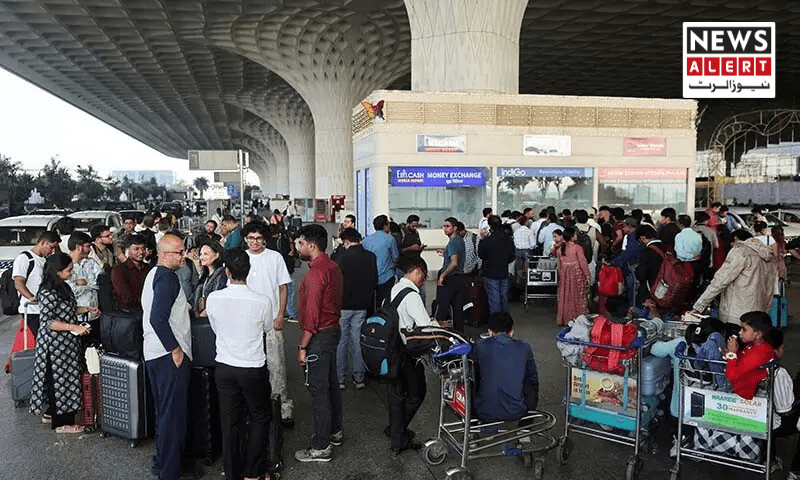
According to Indian media, hundreds of flights were cancelled on Wednesday alone due to the non-availability of pilots and confusion over duty-hour regulations. As a result, thousands of passengers were stranded at airports across New Delhi, Mumbai, Pune, Bengaluru, Chennai, Hyderabad and several cities in Gujarat.
IndiGo operates more than 400 aircraft and typically runs around 2,300 flights every day, making it one of the busiest airlines in Asia. However, the ongoing crisis has forced the carrier to cancel over 400 flights, significantly weakening its operational capacity. Long queues, last-minute cancellations and delayed communication left passengers frustrated and angry.
Underlying Causes: Poor Planning and Regulatory Changes
Reports in Indian media suggest that the root of the crisis lies in IndiGo’s internal planning lapses. Management reportedly failed to adjust crew schedules in time for India’s updated pilot duty-hour regulations. These rules, intended to improve flight safety, impose stricter limits on how long pilots can work without adequate rest.
The airline admitted it was unable to fully comply with the new operational rules before the government’s 1 November deadline. As a result, the situation worsened at the start of the peak December travel season, when domestic air travel typically surges due to holidays and year-end movements.
Industry analysts say airlines must update scheduling software, hire additional crew and redesign rosters to meet modern fatigue-management standards. IndiGo, however, appears to have lagged behind competitors, leaving it vulnerable to staffing shortages during a crucial period.
What the New Rules Mean for Pilots
India’s aviation regulator introduced the revised duty-hour norms to reduce the risk of pilot fatigue — a factor linked to several aviation incidents worldwide. Under the new guidelines:
-
Maximum flight duty periods are reduced during night-time hours.
-
Mandatory rest periods between shifts are increased.
-
Weekly and monthly limits on flight hours are more strictly enforced.
These rules align with global standards recommended by the International Civil Aviation Organization (ICAO). While they are designed to enhance passenger safety, they require airlines to maintain larger pools of rested crew. IndiGo’s inability to adapt quickly has resulted in widespread flight disruptions.
Passenger Frustration at Its Peak
Scenes of overcrowded terminals and anxious travellers have dominated social media. Many passengers complained of receiving cancellation notices only hours before departure. Others reported difficulties in securing refunds or rebooking alternative flights due to limited availability across all airlines.
Travel experts warn that the domino effect of such large-scale cancellations could disrupt schedules for several more days, even if operations stabilize. Given IndiGo’s dominant position — it controls nearly 60% of India’s domestic aviation market — its operational challenges have a nationwide impact.
Government Monitoring the Situation
A foreign news agency quoted Indian aviation officials as saying the situation is under active monitoring. Authorities have asked IndiGo to submit updated plans outlining how it intends to restore normal services. The airline has begun implementing emergency measures, including:
-
Prioritising essential routes
-
Temporarily scaling back less profitable services
-
Adjusting pilot rosters to meet regulatory norms
IndiGo has also expressed regret over the inconvenience caused to travellers and promised improved communication going forward.
Outlook: Slow Return to Stability
Aviation analysts believe the crisis may not resolve overnight. While IndiGo works to stabilize its schedules, the industry as a whole faces pressure to invest in better planning, crew management and compliance systems. With air travel in India growing rapidly — domestic passenger numbers exceeded 150 million last year — even minor disruptions can snowball into national-level crises.
For now, passengers are advised to check flight statuses frequently and allow extra time when travelling to airports. The coming week will be crucial in determining whether IndiGo can regain control over its operations and restore confidence among its customers.