TEHRAN: Iran on Monday rejected US President Donald Trump’s claim that negotiations between Washington and Tehran were set to begin, insisting that no talks are under way and no meetings have been scheduled.
The denial came after Trump said he had decided to hold off on planned military strikes against Iran because negotiations would begin the following day.
Iran rejects Trump’s claim
Speaking aboard Air Force One on Sunday, Trump said he preferred diplomacy over military action.
“Would I rather make a deal? I’m not looking to kill people.”
He added that negotiations with Iran would begin on Monday afternoon but did not disclose the venue or participants.
However, Iranian Foreign Ministry spokesman Esmaeil Baghaei dismissed the claim, saying Tehran had neither arranged talks with the United States nor planned any diplomatic meetings in the coming days.
He said Iran had no plans to host foreign delegations or send negotiators abroad.
Foreign minister unavailable
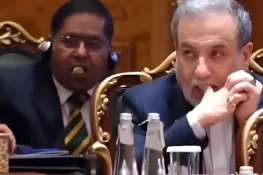
Baghaei said all Iranian negotiators were currently in the country except Foreign Minister Abbas Araghchi, who is on a religious pilgrimage in Iraq.
According to the spokesman, the only discussions currently taking place involve Oman regarding the management of the Strait of Hormuz.
A senior Iranian source also told Reuters that no negotiations with Washington were planned and that Araghchi would remain unavailable until at least the end of the week.
Pattern of threats and reversals
The latest developments follow a recurring pattern during the conflict between the United States, Israel and Iran.
Over recent months, Trump has repeatedly announced plans for major military action before later stepping back and citing diplomatic efforts as the reason for restraint.
Iran, however, has consistently maintained that it is not engaged in negotiations with Washington, particularly after the collapse of a June memorandum of understanding intended to ease tensions.
Trump says US, Israel to hold off on Iran strikes pending deal
Strait of Hormuz remains key issue
The Strait of Hormuz continues to be a major point of disagreement between the two countries.
Washington maintains that the June agreement required Iran to reopen the strategic waterway, while Tehran argues the understanding preserved its authority over shipping in the area.
The dispute has contributed to volatility in global energy markets.
Oil prices decline
Oil prices fell on Monday after Trump’s decision to suspend military action reduced immediate concerns over a wider regional conflict.
Brent crude dropped by more than 4%, trading at around $84 per barrel.
Meanwhile, the UK Maritime Trade Operations (UKMTO) reported that the captain of a commercial vessel had observed an explosion near the ship in the Strait of Hormuz overnight, although no injuries or damage were reported.