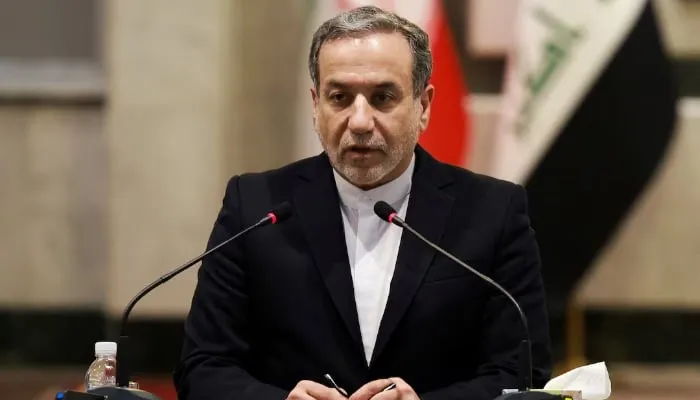
Iran has reiterated that recognition of its right to enrich uranium remains a fundamental condition for the success of ongoing nuclear negotiations with the United States, as diplomatic efforts continue to revive dialogue between the two sides.
Iran’s Position on Enrichment
Foreign Minister Abbas Araqchi stated that Iran would never accept a “zero enrichment” policy, emphasizing that any future agreement must acknowledge enrichment activities within the country. However, he indicated that Tehran is open to confidence-building measures to reassure the international community that its nuclear programme is intended solely for peaceful purposes.
According to Araqchi, discussions should focus on allowing enrichment under strict transparency while building trust that the programme will not be diverted toward military objectives.
Background of Nuclear Talks
The latest remarks come after indirect talks between American and Iranian diplomats were held in Oman, aimed at reducing tensions and restoring diplomatic engagement. These discussions follow several rounds of negotiations last year that stalled primarily over disagreements regarding uranium enrichment on Iranian soil.
Tensions had escalated earlier when the United States struck Iranian nuclear facilities following a 12-day Israeli bombing campaign, further complicating diplomatic efforts.
Iran’s Willingness for Compromise
Regional diplomatic sources indicated that Tehran may be open to negotiating the level and purity of uranium enrichment, as well as other technical arrangements. However, Iran insists that any deal must include the right to enrich domestically, sanctions relief, and steps toward military de-escalation.
Iranian Revolutionary Guards Intercept US-Flagged Vessel in Strait of Hormuz
Araqchi framed Iran’s stance as rooted not only in technical or economic considerations but also in national sovereignty and independence. He stressed that no external power has the authority to dictate Iran’s scientific and technological development.
Missile Programme and Broader Issues
The Iranian foreign minister also clarified that the country’s missile programme is not part of the current negotiation agenda, despite repeated calls from Washington to include it in broader discussions.
Meanwhile, President Masoud Pezeshkian described the ongoing dialogue with the United States as a “step forward,” expressing hope that Iran’s rights under the Nuclear Non-Proliferation Treaty would be respected in any future agreement.
Next Phase of Diplomacy
Officials say the date and location of the next round of talks will be determined in coordination with Oman, which has played a key mediating role. The venue may change from Muscat depending on logistical and diplomatic considerations.
The outcome of these negotiations is being closely watched globally, as progress could ease regional tensions and revive a diplomatic framework around Iran’s nuclear programme, while failure could further strain relations between Tehran and Washington.