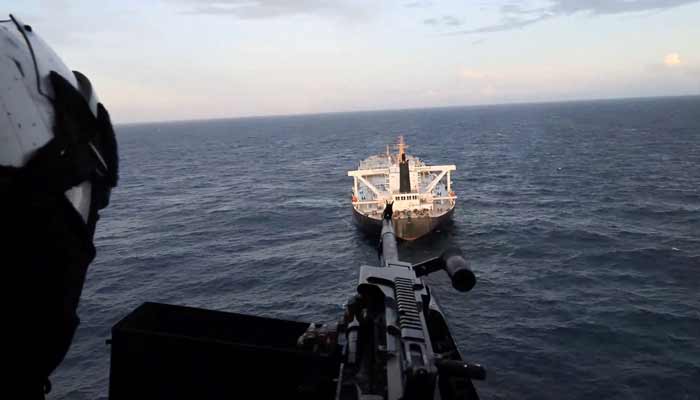
Three Iranian oil tankers have reportedly exited the US blockade zone in the Strait of Hormuz, marking the first significant movement of Iranian crude exports in nearly two months and raising hopes that diplomatic efforts between Washington and Tehran are gaining momentum.
According to maritime tracking data cited by industry monitors, the vessels were carrying a combined total of approximately 4.8 million barrels of crude oil.
The development comes just days before the United States and Iran are expected to begin formal negotiations on a final peace settlement following a recently agreed framework accord.
Peace Talks Set to Begin in Switzerland
Diplomatic discussions on a comprehensive agreement are scheduled to begin on Friday at the Burgenstock resort in Switzerland.
Officials say the negotiations will focus on unresolved issues, including:
- The future of Iran’s nuclear programme.
- The lifting of international sanctions.
- The release of frozen Iranian assets.
- Long-term security arrangements in the Gulf region.
- Maritime access through the Strait of Hormuz.
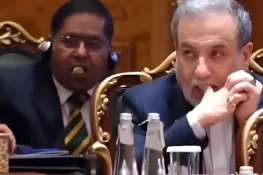
Iranian Foreign Minister Abbas Araghchi confirmed that a new round of negotiations would begin soon, describing the upcoming talks as crucial for determining the final shape of any agreement.
Hormuz Reopening Boosts Market Confidence
The reported reopening of shipping routes through the Strait of Hormuz has had an immediate impact on global energy markets.
The waterway is one of the world’s most important oil transit routes, historically carrying around one-fifth of global oil shipments.
With concerns over supply disruptions easing, international crude oil prices declined sharply as traders reacted positively to signs of de-escalation.
Analysts say restored maritime traffic could help stabilize energy markets that have experienced significant volatility since the outbreak of conflict earlier this year.
Potential Sanctions Relief Under Discussion
Reports suggest that the proposed framework could allow Iran to resume oil exports more freely while discussions on broader sanctions relief continue.
Among the measures reportedly being considered are:
- Waivers on oil export restrictions.
- Easing of banking and financial limitations.
- Relaxation of transportation and insurance-related sanctions.
- Gradual access to frozen overseas assets.
However, neither Washington nor Tehran has officially released the full text of the proposed agreement.
Nuclear Programme Remains Major Challenge
Despite progress on ceasefire and economic issues, Iran’s nuclear programme remains the most sensitive topic in the negotiations.
The United States and its allies continue to seek restrictions on Iran’s highly enriched uranium stockpile, while Tehran insists on preserving what it describes as its legitimate nuclear rights.
Although the framework agreement has opened the door to discussions, diplomats acknowledge that reaching a comprehensive settlement on nuclear issues may prove considerably more difficult.
Iranian officials have also expressed caution, citing past agreements that later collapsed amid renewed tensions and sanctions.
Trump Says US Apache Helicopter Crew Safe After Crash Near Strait of Hormuz
Lebanon Conflict Still Threatens Diplomacy
While optimism surrounding the talks has grown, regional tensions remain a significant concern.
Fresh Israeli military operations in southern Lebanon and ongoing clashes involving Hezbollah have highlighted the fragility of the broader peace process.
Security analysts warn that developments in Lebanon could become the biggest obstacle to successful negotiations between Iran and the United States.
Some experts believe that even if progress is achieved on nuclear and economic issues, continued fighting on secondary fronts could undermine trust and complicate implementation of any future agreement.
A Critical Moment for Regional Stability
The departure of Iranian tankers from the blockade zone is being viewed as one of the strongest practical signs yet that both sides are preparing for a diplomatic breakthrough.
However, major questions remain unresolved, including sanctions relief, nuclear restrictions, regional security arrangements and the future of conflicts involving Iran’s allies.
As negotiators prepare to meet in Switzerland, governments, energy markets and international observers will be closely watching whether the current momentum can be transformed into a lasting agreement capable of reshaping the Middle East’s security landscape.